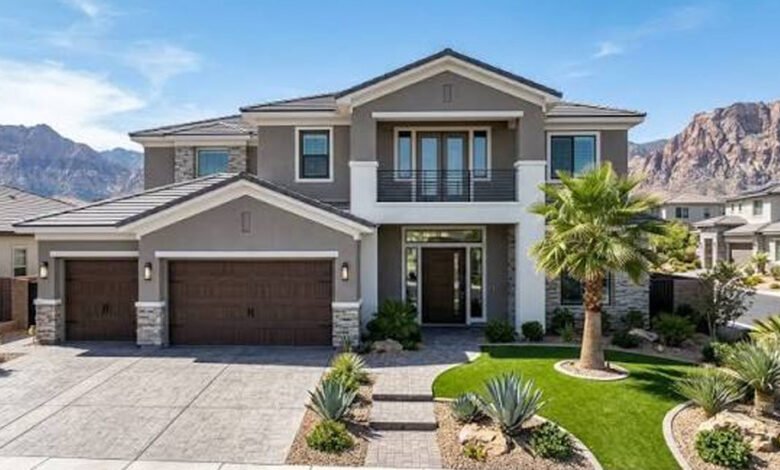

Choosing the area before choosing the address can make a home search far more practical. When reviewing Las Vegas homes for sale, buyers can use the Lisa Quam Group’s property-search page to explore available homes across Las Vegas and nearby communities, including options ranging from condos and townhomes to single-family and luxury properties. That broader view is useful because the Lisa Quam Group serves Las Vegas, Summerlin, Henderson, and surrounding areas where daily routines, home styles, and ownership costs can vary substantially.
Two similarly priced homes can lead to very different experiences after closing. One may offer an easier work trip and lower monthly fees, while another may provide a larger yard, more amenities, or a different community atmosphere. There is no single best Las Vegas neighborhood for every buyer, so the goal is to identify the setting that fits your life now and remains workable if your needs change.
1. Start With Your Daily Routine
List the places you visit most often, including work, schools, child care, medical providers, grocery stores, the airport, family, and favorite social destinations. Then test potential routes during morning and evening traffic. A shorter, more predictable commute can be more valuable than an extra room that is rarely used.
Remote workers should still check practical details. Confirm internet options, cell coverage, nearby coffee shops or libraries for backup work, and the distance to everyday services.
2. Compare Lifestyle, Not Just Location
Master-planned communities may appeal to buyers seeking parks, trails, newer infrastructure, and organized amenities. Established neighborhoods can offer mature landscaping, varied architecture, and proximity to long-standing commercial areas.
Urban settings may better suit buyers who prioritize dining, arts, entertainment, and access to central destinations.
Golf, guard-gated, and suburban growth communities each present different tradeoffs involving privacy, recreation, fees, travel time, and future construction. Focus on the environment you want to live in rather than treating any category as universally better.
3. Look Beyond The Listing Price
Your monthly housing cost includes more than principal and interest. Compare property taxes, insurance, HOA dues, possible assessments, utilities, cooling costs, maintenance, commute expenses, and parking. The Clark County real property records search can help buyers review property information by address, parcel number, owner name, or subdivision.
Use the same comparison for at least three neighborhoods. For example, a home with a mortgage payment that is $50 lower can still cost more each month if its HOA dues are $125 higher. A clear all-in budget prevents a lower list price from creating a misleading first impression.
4. Research Schools At The Address Level
Families should verify school assignment details for the exact property, not just the broader neighborhood name. Review attendance boundaries, programs, transportation, enrollment capacity, and before- or after-school options. Ratings can be one input, but they do not replace a family’s own priorities, schedule, and support needs.
5. Check Transportation And Road Access
Map access to major roads, freeways, employment corridors, and airport routes, then verify travel times in person. A short distance on a map does not always equal a quick trip at busy times. Buyers who use transit can review stops, transfers, route coverage, and walking distance through the RTC Southern Nevada maps and guides.
Visit on a weekday and a weekend. This can reveal traffic patterns, parking pressure, nearby event activity, and how the area feels outside a scheduled showing.
6. Review HOA Rules, Fees, And Reserves
HOA costs and restrictions can differ sharply between nearby communities. During due diligence, request current dues, governing documents, reserve information, recent meeting notes, pending assessments, rental policies, pet rules, parking rules, and exterior-modification requirements. Amenities may be worthwhile, but they also require ongoing funding and maintenance.
7. Compare Home Types And Neighborhood Age
Single-family homes, condos, townhomes, new construction, and older resale homes create different responsibilities. Older properties may need closer attention to roofs, plumbing, windows, HVAC equipment, and landscaping. Newer homes may offer contemporary layouts and builder warranty coverage. Compare the likely cost of repairs and upgrades, not just the visual finish level on tour day.
8. Plan For Desert Ownership
Las Vegas buyers should inspect air-conditioning age and service history, roof condition, window efficiency, shade structures, drainage, irrigation, pool equipment, and landscaping. Ask for utility history across different seasons when available. Mature landscaping can add character, but it can also bring added water use and maintenance requirements.
9. Evaluate Noise, Safety, And Nearby Land Uses
Use public information and personal visits instead of relying on rumors or an old reputation. Tour at different times to notice traffic, aircraft activity, nightlife, construction, and neighborhood noise. Also investigate vacant parcels and approved development nearby. New retail and services can add convenience, while new construction may change traffic and sound levels.
10. Build A Neighborhood Scorecard
Score each category from one to five for every area you are considering:
- Total monthly housing cost and commute time
- School fit, home condition, and HOA terms
- Outdoor access, shopping, services, and parking
- Noise level, future development, and resale flexibility
A scorecard does not make the choice for you. It helps balance emotional reactions to staging, views, or a renovated kitchen with the practical factors that shape everyday ownership.
11. Questions To Ask During A Tour
- How long is the peak-hour trip to work or school?
- What fees, rules, and restrictions apply here?
- What development, roads, or retail projects are planned nearby?
- Where are the nearest parks, sidewalks, trails, and everyday services?
- Would this neighborhood still fit if your job, household size, or mobility needs changed?
12. Use Local Market Data Carefully
Review recent comparable sales, active inventory, price per square foot, and days on market within the specific area and property type you are considering. Citywide averages can hide meaningful differences. Compare like with like, such as similar condos, similar resale homes, or similar new-build communities, before drawing conclusions about value.
Frequently Asked Questions
What Is The Best Las Vegas Neighborhood To Buy In?
The best fit depends on budget, commute, preferred home type, amenities, household needs, and the pace of life you want. A neighborhood that works well for one buyer may not suit another.
Should Buyers Choose Las Vegas Or Henderson?
Compare commute routes, housing styles, municipal services, neighborhood character, and monthly costs. The better choice is the one that aligns with your personal priorities.
Are HOA Communities Worth The Cost?
They can be, particularly when the amenities, maintenance standards, and shared services matter to you. Review the documents and fees carefully before deciding whether the benefits justify the obligations.
What Should Relocating Buyers Do First?
Make a scouting visit, test essential routes, tour multiple community types, and compare summer utility and maintenance considerations before narrowing the search.
Let The Neighborhood Guide The Home Search
Buying a Las Vegas home also means choosing a daily routine, cost structure, and community setting. By comparing neighborhoods before focusing on individual listings, buyers can make a more confident decision that works beyond the first showing.