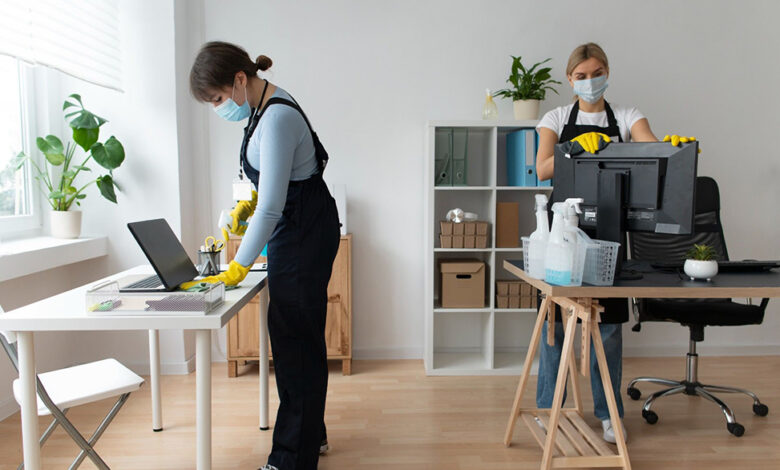

Office kitchens and break rooms are some of the most frequently used shared spaces in a workplace. Employees use them to prepare meals, have coffee, store food, and take short breaks throughout the day. Because so many people use these areas, they can quickly become cluttered, develop unpleasant odors, and accumulate food spills and waste.
A clean break room is not only more pleasant to use but also contributes to a more organized and professional workplace. Businesses should establish clear cleaning routines and encourage employees to take responsibility for their own messes.
For businesses that need additional support, an office cleaning service in Las Vegas can help maintain kitchens, break rooms, and other shared workplace areas according to a regular cleaning schedule.
1. Establish Clear Cleaning Rules
The first step toward maintaining a clean office kitchen is setting clear expectations. Employees should know what they are responsible for and what tasks are handled by the cleaning team.
Simple rules can include washing dishes after use, wiping counters after preparing food, disposing of trash properly, and cleaning spills immediately.
Posting a short reminder near sinks, refrigerators, or countertops can help reinforce these expectations without making the process complicated.
2. Clean Countertops Regularly
Countertops are among the most frequently used surfaces in an office kitchen. Employees may prepare food, place coffee cups, or set down containers throughout the day.
Countertops should be wiped and cleaned regularly, particularly after periods of heavy use. Food crumbs, grease, coffee spills, and other residues should not be allowed to accumulate.
Cleaning products should be appropriate for the surface being cleaned, and shared areas should be left dry and ready for the next person.
3. Keep the Refrigerator Organized
Office refrigerators can quickly become overcrowded with personal lunches, drinks, leftovers, and food containers.
A simple refrigerator policy can make a significant difference. Employees should label their food when necessary and remove expired or unwanted items regularly.
Businesses can establish a specific day each week for employees to remove old food. Cleaning staff can then periodically wipe shelves, handles, and interior surfaces according to the office cleaning schedule.
An organized refrigerator is easier to clean and makes it easier for employees to find their belongings.
4. Clean Microwaves and Shared Appliances
Microwaves, coffee machines, refrigerators, toasters, and other shared appliances can accumulate food particles and spills.
Microwaves should be cleaned regularly, particularly when food spills occur. Coffee machines should also receive routine attention because coffee residue and water buildup can accumulate over time.
Employees should be encouraged to clean up immediately after using shared appliances. Regular professional cleaning service can provide additional support for areas that receive heavy daily use.
5. Empty Trash Bins Frequently
Food waste can quickly produce unpleasant odors, particularly in warm environments. Kitchen and break-room trash bins should therefore be emptied regularly.
Businesses with larger offices may need trash collection multiple times throughout the day, depending on the number of employees and amount of waste produced.
Trash bins should also be cleaned periodically to address spills or residue that may collect inside or around them.
Using appropriately sized bins and providing separate containers for recyclable materials can also help keep the area organized.
6. Keep Sinks Clean
Kitchen sinks can become dirty when employees leave dishes, food particles, and drink containers behind.
Employees should be encouraged to wash their dishes immediately after use rather than leaving them in the sink.
Cleaning staff should regularly clean and sanitize the sink, faucet, surrounding countertop, and drain area. Food particles should not be allowed to accumulate because they can contribute to unpleasant odors and clogged drains.
7. Establish a Dishwashing Policy
Shared dishes can become a common source of clutter in office kitchens.
Businesses can establish a simple rule that employees must wash, dry, or place their dishes in the appropriate location after use.
If the office has a dishwasher, employees should know whether they are expected to load and unload it or whether that responsibility belongs to a designated person or cleaning team.
Clear expectations can prevent dirty dishes from accumulating throughout the day.
8. Clean Floors Regularly
Food crumbs, spills, dirt, and dust can quickly accumulate on kitchen and break-room floors.
Floors should be swept or vacuumed regularly and mopped when necessary. Spills should be addressed immediately to help prevent stains and reduce the risk of slips.
The cleaning frequency should depend on the size of the break room and the number of employees using it.
High-traffic offices may require more frequent floor maintenance than smaller workplaces.
9. Pay Attention to High-Touch Surfaces
Break rooms contain many surfaces that employees touch throughout the day. These may include refrigerator handles, microwave buttons, cabinet handles, faucet handles, light switches, coffee-machine controls, and door handles.
These surfaces should be included in the office’s regular cleaning routine.
A cleaning checklist can help ensure high-touch areas are not overlooked when the rest of the kitchen is being cleaned.
10. Prevent Food Odors
Unpleasant smells are a common problem in shared kitchens. Old food, overflowing trash, dirty dishes, and food spills can all contribute to odors.
Regular trash removal, refrigerator cleaning, surface cleaning, and proper food storage can help prevent these issues.
Employees should also avoid leaving uncovered food on countertops or inside shared spaces.
If persistent odors develop, businesses should identify the source rather than simply attempting to cover the smell with air fresheners.
11. Provide Adequate Cleaning Supplies
Employees are more likely to clean up after themselves when appropriate supplies are easily available.
Depending on the office, useful supplies may include paper towels, appropriate surface cleaners, dish soap, sponges, trash bags, and hand soap.
Supplies should be checked regularly so employees and cleaning staff do not run out of essential products.
12. Create a Regular Cleaning Schedule
A consistent schedule makes break-room maintenance easier to manage.
Daily tasks may include wiping counters, cleaning sinks, removing trash, checking appliances, and cleaning visible spills.
Weekly tasks can include cleaning refrigerator shelves, wiping cabinets, deep cleaning appliances, and thoroughly cleaning floors.
Monthly or periodic tasks may include detailed cleaning of difficult-to-reach areas, walls, vents, and other