
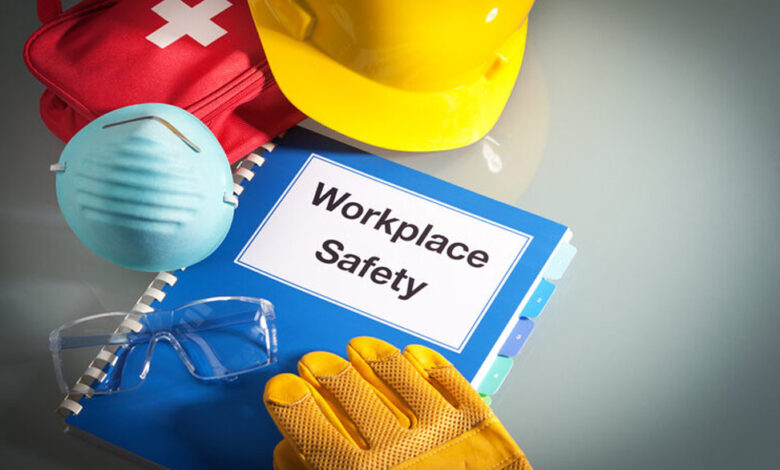

Workplace safety is a practical part of running a stable small business. A single injury can affect an employee’s well-being, shift coverage, customer service, and daily workload. Building a repeatable safety routine also helps owners prepare for incident reporting, medical restrictions, and questions related to business workers’ comp insurance. The goal is not to create unnecessary paperwork. It is to identify hazards early, give workers clear instructions, and make sure everyone knows what to do if someone gets hurt. Requirements can vary by state, industry, employee count, and the work being performed, so this checklist should be adapted to the specific workplace.
Why Workplace Safety Matters
Small businesses often have less flexibility when an employee is absent, a delivery is delayed, or a task must be reassigned. Prevention supports continuity by reducing avoidable disruptions before they become urgent problems. In the United States, private industry employers reported 2.5 million nonfatal workplace injuries and illnesses in 2024, according to the Bureau of Labor Statistics injury and illness report. Even a low-risk office, shop, restaurant, or warehouse benefits from regular attention to how work is actually done.
Start With A Simple Workplace Walkthrough
A safety walkthrough does not require a dedicated safety department. Set aside time to observe the workplace while normal tasks are happening, then record problems that need attention.
- Walk through every work area, including storage rooms, break areas, loading zones, and parking spaces.
- Watch how employees lift, reach, carry, drive, climb, clean, and use equipment.
- Ask workers which tasks feel rushed, awkward, confusing, or difficult to complete safely.
- Take notes or photos of hazards that need correction.
- Assign each correction to a responsible person with a realistic deadline.
During each walkthrough, look for blocked exits, wet floors, loose cords, poor lighting, cluttered aisles, damaged tools, missing machine guards, unstable storage, and expired emergency supplies.
Business owners can use small-business safety resources to identify topics that may apply to their operations, then tailor inspections and controls to their own equipment, location, and workforce.
Check For Common Workplace Hazards
Physical Hazards
- Slips, trips, falls, and falling objects.
- Sharp tools, machinery, moving vehicles, or powered equipment.
- Heat, cold, noise, dust, poor ventilation, or unsafe electrical conditions.
- Unsecured shelves, overloaded racks, and poorly marked work areas.
Ergonomic Hazards
- Repeated motions, frequent lifting, awkward reaching, twisting, and prolonged standing.
- Workstations that do not fit the employee, task, or equipment being used.
- Materials stored too high, too low, or too far from the point of use.
Work Organization Hazards
- Understaffing that encourages employees to rush or skip steps.
- Unclear job duties, weak shift handoffs, or insufficient oversight of new workers.
- No simple way to report hazards, close calls, injuries, or unsafe behavior.
Business owners can use small-business safety resources to identify topics that may apply to their operations, then tailor inspections and controls to their own equipment, location, and workforce.
Train Workers For Real-World Tasks
General safety videos may introduce important ideas, but workers also need instruction that matches their actual job duties. Training should cover safe use of tools and equipment, personal protective equipment, emergency exits, hazard reporting, lifting techniques, and weather-related risks when employees work outdoors. Provide additional coaching when employees are new, young, temporary, promoted, reassigned, or asked to use unfamiliar equipment. For example, a retail employee should practice safe ladder use in the stockroom and know when to ask for help before being scheduled to work alone.
Create A Clear Incident Reporting Process
People need simple instructions during a stressful event. A one-page written procedure can reduce confusion and help supervisors respond consistently.
- Provide emergency medical help when needed.
- Secure the area so no one else is exposed to the same hazard.
- Notify the supervisor or designated contact as soon as possible.
- Record the basic facts while details are fresh.
- Collect relevant witness information and photographs when appropriate.
- Follow applicable state reporting requirements and insurer procedures.
- Review the underlying cause without blaming the injured employee.
Encourage workers to report hazards and close calls before an injury happens. Employees should be able to raise good-faith safety concerns without embarrassment or retaliation.
Connect Safety Practices With Workers’ Compensation
Safety efforts and workers’ compensation administration overlap when an injury occurs. Employers should keep factual incident notes, maintain accurate payroll and job classifications, and protect private employee information. Coverage requirements differ across states and may depend on the business structure, number of employees, and type of work. When requirements are unclear, check the appropriate state agency and consult a qualified professional.
Plan For A Safe Return To Work
A thoughtful return-to-work plan can support recovery while maintaining business operations. Stay in respectful contact with the employee, follow documented medical restrictions, and focus discussions on work abilities and job needs. Temporary adjustments may include modified duties, shorter shifts, different equipment, or a temporary change in work location. For example, a warehouse employee with a temporary lifting restriction may be able to help with inventory counts, receiving paperwork, customer service, or other duties that fit the restriction. Set review dates so the plan can be updated as the employee’s capabilities change.
Review The Checklist Regularly
- Daily: Check exits, housekeeping, urgent hazards, and essential equipment.
- Weekly: Review unresolved issues with supervisors or team leads.
- Monthly: Inspect work areas and invite employee feedback.
- After an incident: Identify what failed and what should change.
- Before new work begins: Review new tools, materials, sites, and staffing needs.
- Annually: Update training, emergency contacts, written procedures, and safety priorities.
Common Questions About Small Business Workplace Safety
Does Every Small Business Need A Written Safety Program?
Rules vary by industry and location. Even when a formal written program is not required, documented procedures can make training, inspections, reporting, and follow-up easier to manage.
How Often Should Safety Inspections Happen?
High-risk areas may need frequent checks, while every business should maintain a regular documented review schedule based on its work, equipment, and changing conditions.
What Should Happen After A Workplace Injury?
Provide care, control the hazard, report the incident promptly, document the facts, complete required notices, and communicate respectfully with the injured employee.
Can A Generic Checklist Be Used?
Yes. A generic checklist is a useful starting point, but it should be revised to reflect the business’s worksite, tasks, equipment, workforce, and applicable state requirements.
Final Thoughts
A safer workplace is built through consistent, manageable actions rather than relying on a single safety program or occasional inspection. Regular walkthroughs, task-specific training, clear reporting procedures, respectful return-to-work planning, and routine follow-up can help a small business identify hazards and address concerns before they contribute to injuries. It is also useful to keep safety policies up to date, document training and reported incidents, and ensure employees know who to contact when they notice a potential problem. As equipment, workspaces, schedules, and job responsibilities change, safety practices may need to be reviewed and adjusted to reflect current conditions. When safety is treated as part of everyday operations, employees know what to watch for, managers have clearer procedures to follow, and the business can respond more effectively when workplace conditions change.




One Comment