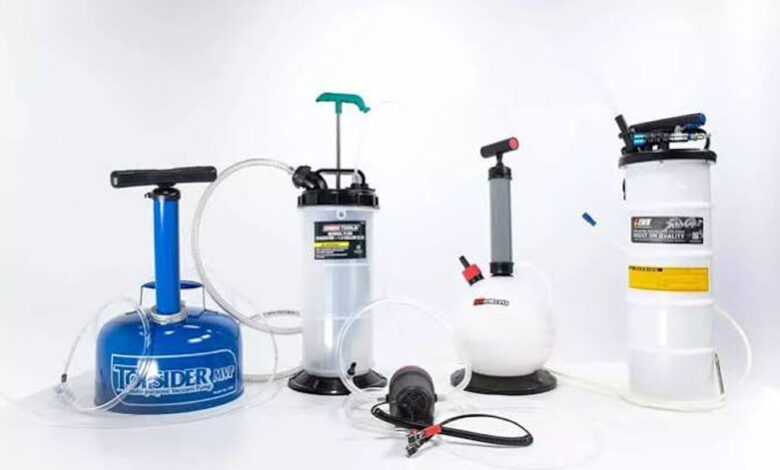

Changing engine oil can be much easier when you don’t have to get underneath the vehicle. An oil change pump removes used oil through an accessible opening, usually the dipstick tube, and moves it into a collection tank. This approach can reduce spills and make routine maintenance more convenient. It also works well for certain cars, motorcycles, boats, lawn equipment, and other engines.
The important part is choosing a pump that matches the job. Capacity, suction method, hose length, probe size, and power source all affect how well the equipment works. Some users need a simple hand operated unit, while others may prefer powered equipment for repeated servicing. Understanding these differences makes it easier to choose without paying for features you don’t need.
What Makes an Oil Change Pump Useful?
The main advantage is access. Instead of reaching the drain plug underneath the engine, the extraction tube enters through the dipstick opening or another approved access point. The pump creates suction and pulls the used lubricant into a sealed container. This can make the process cleaner, especially when the drain plug is positioned in a difficult spot.
It can also reduce the need for ramps or a floor jack during an oil change. That doesn’t mean extraction is suitable for every engine, though. The tube needs a clear path into the sump and must be able to reach the appropriate area. Always check the vehicle’s service information before choosing extraction as your preferred method.
How Vacuum Extraction Moves Used Oil
A vacuum oil extractor works by creating lower pressure inside its collection tank. Atmospheric pressure then helps push the oil through the extraction tube and into the reservoir. Manual models create this vacuum with a hand pump, while powered versions use an electric or pneumatic system. Once the pressure difference is established, the oil moves through the hose.
The basic process is simple, but tube placement matters. The probe should reach the lowest practical point of the sump without being forced. A poorly positioned tube can stop against an internal part or fail to remove as much oil as expected. This is one reason vehicle compatibility matters more than simply choosing the largest pump.
Main Pump Styles Worth Comparing
Manual vacuum pumps are a practical choice for occasional maintenance. They don’t need an electrical connection or compressed air, which makes them portable and easy to store. You create suction by operating the handle until the tank begins pulling fluid. For home users who service a vehicle from time to time, this design can be enough.
Electric and pneumatic models focus more on reducing manual effort. Electric units use a motor to create suction, while pneumatic models use compressed air. Pneumatic equipment can be useful in workshops that already have an air supply. Your best option depends on how often you’ll use the pump and what resources are available where you work.
Check the Tank Before Choosing a Pump
Tank capacity is one of the first specifications worth checking. If the reservoir is too small for the amount of oil being removed, you’ll need to stop and empty it during the job. A larger tank can make a full service more convenient because there is less interruption. It also helps to leave some space rather than filling the container completely.
Don’t choose capacity based only on the vehicle you own today. If you may use the pump on motorcycles, cars, boats, or small engines, think about the range of fluid quantities involved. A versatile tank can be more useful than an oversized unit that takes up unnecessary storage space. The collection container should also be easy to empty without spilling.
Hose Length Can Change the Experience
A long hose gives you more freedom when positioning the collection tank. You can place the reservoir beside the vehicle while keeping the extraction probe connected to the engine. This is particularly useful when the dipstick opening sits far from a convenient working position.
Probe dimensions deserve the same attention. The tube must be narrow enough to enter the correct opening while remaining long enough to reach the sump. Some pumps include several tubes or adapters for different applications. Having the correct combination can make one extractor suitable for more than one piece of equipment.
When Warm Oil Helps the Process
Engine oil flows more easily when it is warm. That can help it travel through a narrow extraction tube with less resistance. Many extractor instructions recommend running the engine for a short period before beginning the service, then switching the engine off before inserting the probe. The goal is warm oil, not dangerously hot oil.
Cold oil can move much more slowly, particularly through a small tube. If the flow seems unusually weak, oil temperature can be one possible reason. Always follow the temperature limits provided for the specific equipment. You should also allow enough cooling time to avoid contact with excessively hot components or fluid.
A Simple Way to Set Up the Pump
Park the vehicle on a suitable level surface and secure it before starting. Locate the dipstick tube or other approved extraction point, then remove the dipstick. Prepare the collection tank, hose, and correct probe before creating suction. Keeping everything ready prevents unnecessary movement once the oil starts flowing.
Insert the probe carefully until it reaches the intended depth. Connect the hose securely and check that the collection tank is stable. With a manual pump, operate the handle to build vacuum pressure. With a powered model, start the pump according to its instructions and watch the initial flow.
Watch the Flow Instead of Guessing
Oil should begin moving through the tube once sufficient suction is created. Keep an eye on the hose so you can see whether fluid is actually moving. If the flow stops suddenly, check the probe position, hose connections, and pump operation. A simple air leak can reduce suction and make the pump appear weaker than it is.
Near the end of extraction, the flow will usually slow. Some engines may retain a small amount of oil because of their internal design. Don’t force the tube or repeatedly move it without knowing where it can safely travel. When extraction is complete, disconnect the system carefully and prepare for the next service step.
Don’t Forget the Oil Filter
Removing old oil is only part of an oil change. The oil filter should also be replaced according to the vehicle manufacturer’s maintenance requirements. Filter locations vary, so some vehicles allow the filter to be accessed from above while others require access underneath. An extraction method doesn’t automatically change how the filter must be serviced.
When fitting a new filter, follow its installation instructions and use the correct sealing method. If the filter uses a replaceable seal or O ring, inspect the old seal and install the new one correctly. Avoid overtightening, as excessive force can create service problems later. A filter wrench may be needed when removing a stubborn filter.
Signs Your Pump Needs Attention
Weak suction doesn’t always mean the pump itself has failed. A loose hose connection can allow air into the system and prevent the tank from maintaining vacuum. A probe that isn’t positioned correctly can also interrupt the flow. Start by checking these simple points before assuming there’s a mechanical fault.
The collection tank can create another problem if it becomes too full. Some models include markings, gauges, or other indicators to help monitor the vacuum and fluid level. If the pump stops working during extraction, check the tank capacity and the manufacturer’s operating instructions.
Oil Pump vs Traditional Drain Plug
Extraction and conventional draining both have useful applications. A drain plug lets oil leave through the bottom of the sump using gravity, while an extractor pulls it through an upper access point. Extraction can be more convenient when the drain plug is difficult to reach. Traditional draining may be preferable when the vehicle manufacturer specifies that procedure or when the extraction tube cannot reach the appropriate part of the sump.
The right choice depends on the engine rather than a simple claim that one method is always better. Some engines are designed with dipstick tubes that make extraction practical, while others may not be. A sensible approach is to check the service information and understand how the sump and access points are designed before deciding.
Best Features for Regular Home Maintenance
For occasional use, simplicity can be more valuable than a long list of features. A manual pump with a suitable tank, dependable seals, and an appropriately sized probe can handle many routine jobs. A transparent or clearly marked reservoir is also useful because you can monitor how much fluid has been collected.
If you’re servicing several vehicles, flexibility becomes more important. Multiple probes, extension tubes, secure fittings, and a larger reservoir can make the equipment useful across different engines. Powered operation may also be worth considering when manual pumping becomes repetitive. Choose features based on actual maintenance needs rather than buying specifications you won’t use.
Can the Same Pump Handle Other Fluids?
Some extraction equipment is designed for several compatible automotive fluids. Depending on the manufacturer’s specifications, a suitable pump may be used for transmission fluid, gear oil, coolant, or other liquids. However, not every extractor is approved for every fluid. Seals, hoses, tanks, and pump components can have different compatibility limits.
Never assume that an oil pump can safely handle fuel or another chemical simply because it can move liquid. Read the equipment instructions before changing the type of fluid being extracted. If the manufacturer lists specific approved fluids, stay within that range. This protects both the equipment and the person using it.
Keeping the Extraction Setup Clean
Used oil should be transferred into an appropriate container for recycling or disposal. Don’t leave old oil sitting in the pump longer than the equipment instructions allow. Wipe spills as soon as they happen and keep the exterior of the equipment clean. A clean setup makes the next service easier to prepare.
The hose and probe also deserve attention after use. Remove residue as recommended and inspect the tubing for cracks or soft spots. Check fittings for damage before putting everything away. Proper storage can help prevent leaks and keep the equipment ready for the next oil change.
Common Mistakes to Avoid
One common mistake is starting with cold, thick oil and assuming the pump is faulty when the flow is slow. Another is using a probe that doesn’t reach the intended part of the sump. Loose fittings can also cause air leaks that reduce suction. These problems are usually easier to prevent than to troubleshoot later.
It’s also important not to overfill the collection tank. Used oil needs room to enter the reservoir while the system maintains proper suction. Never force a tube into an opening or continue using equipment beyond its stated limits. Following the manufacturer’s instructions is the safest way to avoid unnecessary problems.
Who Should Consider an Oil Change Pump?
This type of equipment can suit DIY owners who perform regular maintenance at home. It’s also useful for engines where the dipstick opening provides good access to the oil sump. Boat owners, lawn equipment users, motorcycle owners, and other small engine users may also find extraction convenient when their equipment supports it.
It isn’t necessary for everyone. If your vehicle requires traditional draining or doesn’t provide a practical extraction route, a conventional oil change may be the better choice. The pump should be treated as a maintenance option, not a universal replacement for every oil service method.
Conclusion
Before choosing your pump, check the tank capacity, extraction tube length, probe diameter, and connection fittings. Then confirm whether the pump’s operating method suits your workspace. Manual operation can be convenient without electricity, while powered systems may make repeated servicing easier. Also check which fluids the equipment is designed to handle.
Think about the equipment you’ll actually service. A compact pump may be enough for smaller engines, while a larger tank and longer hose can make sense for vehicles with greater oil capacity. The best setup is one that matches your routine rather than simply having the most features. With the right combination, oil removal can become a cleaner and more controlled maintenance task.
FAQS
What does an oil change pump do?
It removes used oil by creating suction and moving the fluid through a tube into a collection container. The tube usually enters through the dipstick opening.
Is a vacuum oil extractor suitable for every vehicle?
No. The method depends on the engine’s design and whether the extraction tube can reach the appropriate part of the sump. Check the vehicle’s service instructions first.
Should engine oil be warm before extraction?
Warm oil generally flows more easily through the extraction tube. The engine should be switched off before servicing, and the equipment’s temperature limits should always be followed.
What size tank should an oil change pump have?
The tank should comfortably hold the amount of oil you expect to remove. If you service different engines, choosing a larger capacity can provide more flexibility.
Can an oil change pump replace an oil filter change?
No. Extracting the old oil doesn’t replace the need to inspect and replace the oil filter according to the vehicle manufacturer’s maintenance schedule.