Effective Ways to Prevent and Manage Ant Infestations: Proven Tips for Long-Term Ant Control

Understanding Ant Infestations
Ants are among the most common pests found around homes, workplaces, gardens, restaurants, and other buildings. Although many ant species are harmless when they remain outdoors, an infestation inside a property can quickly become frustrating and difficult to manage. Ants are attracted to food, moisture, warmth, and shelter, which means even a clean and well-maintained property can sometimes experience an infestation. Once a colony establishes itself nearby, individual ants may repeatedly enter through very small cracks, gaps, windows, doors, and other openings. Understanding why ants appear and how they behave is the first step toward dealing with them effectively. A long-term approach should focus not only on eliminating visible ants but also on identifying the conditions that attract them and preventing future activity. With proper cleaning, exclusion, monitoring, and professional assistance when necessary, it is possible to reduce ant activity and maintain a cleaner and more comfortable environment.
Identifying What Attracts Ants
One of the most important aspects of ant control is identifying the reason ants are entering a property. Ants are constantly searching for resources that can support their colonies, and food is one of their strongest attractions. Crumbs, sugary drinks, uncovered food, pet food, grease, and food waste can all provide opportunities for ants to feed. Water can also attract ants, particularly around leaking pipes, damp cabinets, bathrooms, kitchens, and areas with poor ventilation. Some species may enter buildings because they are searching for a protected nesting location. Others may simply follow established trails from outdoor colonies to an indoor food source. Identifying these attractions makes it easier to address the underlying problem instead of simply removing the ants that are visible at a particular moment.
Maintaining Clean Indoor Areas
Keeping indoor areas clean is an essential part of preventing ant activity. Kitchen counters, dining areas, floors, cupboards, and storage spaces should be cleaned regularly to remove food particles and sticky residues. Spilled beverages should be wiped up promptly, and food should be stored in sealed containers whenever possible. Garbage bins should have secure lids and should be emptied regularly, particularly when they contain food waste. Pet food can also attract ants, so bowls should not be left filled for extended periods if ant activity is already present. Regular cleaning does not guarantee that ants will never appear, but it removes many of the resources that encourage them to remain. A consistent cleaning routine therefore works as an important preventive measure alongside other pest management practices.
Sealing Potential Entry Points
Another useful step is to inspect the exterior and interior of the property for possible entry points. Ants can pass through extremely small openings, making tiny cracks around windows, doors, walls, pipes, and utility lines potential access routes. Damaged seals around doors and windows should be repaired, while cracks in walls and foundations should be inspected and sealed where appropriate. Vegetation touching the exterior walls can sometimes provide ants with an easy route toward the building, especially when branches, vines, or dense plants create a bridge from the ground to upper areas. Keeping outdoor areas tidy and maintaining a reasonable gap between vegetation and the structure can help reduce opportunities for ants to enter. These simple improvements can make a meaningful difference when combined with other preventive practices.
Understanding Ant Trails and Colony Behavior
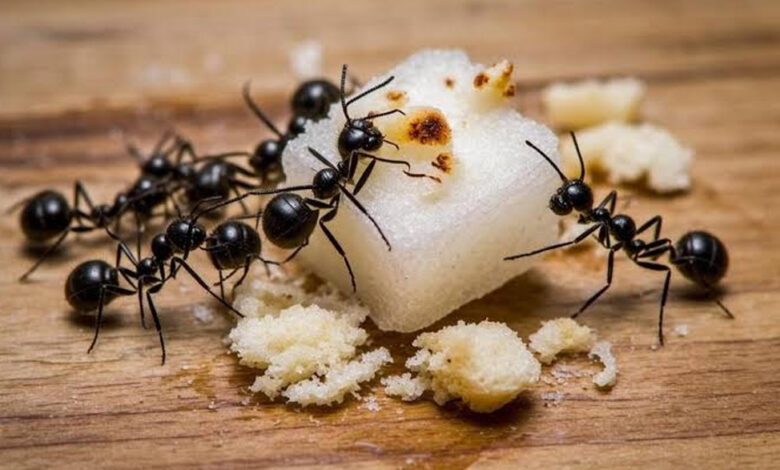
It is also important to understand that seeing a few ants does not always mean there are only a few ants present. Worker ants generally search for food and communicate with other members of their colony through chemical trails. Once a worker discovers a reliable food source, other ants may follow the same route, causing a small number of insects to become a noticeable trail. Simply wiping away the visible ants may provide temporary relief, but it does not necessarily address the colony responsible for the activity. This is why identifying where ants are coming from can be more useful than repeatedly treating the areas where they are seen. Following their movement carefully may help reveal an entry point, nesting location, or food source that needs to be addressed.
Identifying Different Ant Species
Different ant species can behave differently, so accurate identification can also be valuable. Some ants prefer sweet foods, while others are more interested in proteins, oils, or other organic materials. Certain species are more likely to nest outdoors and enter buildings only while searching for food, whereas others may establish nests within wall voids, insulation, soil, wood, or other protected spaces. The size, color, movement pattern, nesting behavior, and location of the ants can provide useful clues about the type of infestation involved. Correct identification helps determine which management strategy is appropriate. If the infestation is persistent or difficult to identify, a trained pest professional can inspect the property and provide more specific recommendations based on the observed species and conditions.
Managing Moisture Problems
Moisture management is another important part of effective ant control. Areas with excess moisture can become attractive to certain ant species, while leaks and damp conditions can also create broader pest problems. Homeowners and property managers should regularly check under sinks, around plumbing fixtures, near appliances, and in other areas where water may accumulate. Leaking faucets, damaged pipes, poor drainage, and condensation should be addressed as soon as possible. Outdoor drainage should also be considered because standing water or persistently damp soil close to a building can create favorable conditions for pests. Improving ventilation in damp areas and repairing water-related problems can therefore contribute to a more complete pest prevention strategy.
Maintaining Outdoor Areas
Outdoor maintenance should not be overlooked when dealing with ants. Many colonies develop outside before workers begin entering a building in search of food or shelter. Garden beds, mulch, piles of leaves, decaying wood, stones, and other sheltered areas may provide suitable nesting environments. Keeping the area around a property clean and reducing unnecessary organic debris can make the surroundings less attractive to ants. Firewood and similar materials should be stored appropriately rather than directly against exterior walls. Regularly checking patios, walkways, foundations, and garden borders can also help identify developing colonies before they become a larger indoor problem. Prevention is generally easier when outdoor conditions are managed before ants establish consistent routes into the property.
Choosing Appropriate Treatment Methods
When an infestation has become established, randomly applying products may not solve the underlying problem. Different treatments are designed for different situations, and using them incorrectly can sometimes provide only temporary results. Baits, for example, can work differently from contact treatments because worker ants may carry bait back to the colony. However, the suitability of a particular treatment depends on the ant species, colony location, product formulation, and environmental conditions. It is important to follow product instructions carefully and avoid using excessive amounts. Indoor treatments should also be applied responsibly, particularly in areas where children, pets, food, or sensitive individuals may be present. When the source of an infestation is unclear, professional inspection can help determine the safest and most appropriate course of action.
Monitoring Ant Activity
Ant control should ideally be viewed as an ongoing process rather than a single treatment. Even after visible activity disappears, conditions that originally attracted ants may remain. Food particles can accumulate again, new cracks can develop, vegetation can grow against exterior walls, and moisture problems can return. Regular inspections can help detect these changes before they become serious. Property owners can establish simple routines that include checking entry points, cleaning food preparation areas, examining damp locations, maintaining outdoor spaces, and monitoring previously affected areas. These habits reduce the likelihood of another infestation and make it easier to notice changes in pest activity at an early stage.
When Professional Help Is Needed
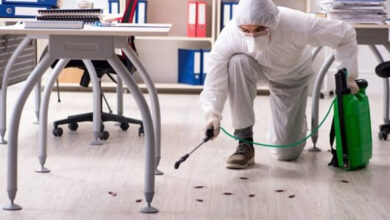
Professional pest management can be particularly helpful when ants repeatedly return despite reasonable cleaning and exclusion efforts. Recurring activity may indicate that the colony is located in a difficult-to-reach area, such as beneath flooring, inside a wall, under concrete, or within another protected structure. Professionals can assess the property, identify patterns of activity, and determine whether environmental changes, baiting, targeted treatment, or exclusion work is necessary. They can also help distinguish between different pest species and explain what may be contributing to the problem. A professional approach can be especially useful for large commercial buildings, food-related businesses, rental properties, and situations where repeated infestations create operational or hygiene concerns.
Improving Food and Waste Management
Preventing ants also involves making informed choices about storage and waste management. Dry goods should be kept in containers that close securely, particularly products such as sugar, cereals, sweets, flour, and other foods that may attract insects. Open packages should not be left unattended for long periods. Recycling containers should be rinsed when appropriate, and food waste should be managed carefully. Sponges, cloths, and cleaning materials should not remain consistently damp because moisture can contribute to pest-friendly conditions. Small changes in everyday habits can significantly reduce the resources available to ants. When these habits become routine, they form an effective first line of defense against recurring activity.
Looking Beyond Visible Results
It is equally important to avoid relying entirely on visible results. A property may appear ant-free immediately after treatment while a colony remains active elsewhere. Conversely, seeing a few ants shortly after a management step does not automatically mean that the approach has failed. Pest behavior can change as colonies respond to environmental conditions and the availability of food and water. Monitoring activity over time provides a clearer picture of whether the infestation is actually declining. Keeping notes about where ants are observed, when they appear, and what conditions exist nearby can also help identify patterns. This information may be particularly useful if professional assistance becomes necessary.
Creating a Long-Term Prevention Strategy
For households and businesses, the most sustainable approach combines cleanliness, exclusion, environmental management, monitoring, and carefully selected treatment methods. No single action is guaranteed to prevent every ant infestation because buildings, climates, landscaping, construction materials, and ant species vary. However, reducing food and water sources, sealing potential entry points, maintaining outdoor areas, and addressing moisture problems can significantly reduce the conditions that support ant activity. Early action is also valuable because small signs are often easier to address than an established infestation. Instead of waiting until ants become widespread, property owners can respond when they first notice trails, isolated workers, or nesting activity.
Conclusion
In conclusion, managing an ant problem requires more than removing the insects that happen to be visible. Effective ant control begins with understanding what attracts ants and how they gain access to a property. Clean food preparation areas, secure storage, proper waste management, moisture reduction, outdoor maintenance, and structural repairs all contribute to a stronger prevention strategy. When ants continue to appear despite these measures, professional inspection may help locate hidden colonies and determine an appropriate treatment plan. The most effective long-term results usually come from combining several preventive measures rather than depending on one solution. By paying attention to small warning signs and maintaining the property consistently, homeowners and businesses can reduce the chances of recurring infestations and create an environment that is less attractive to ants.