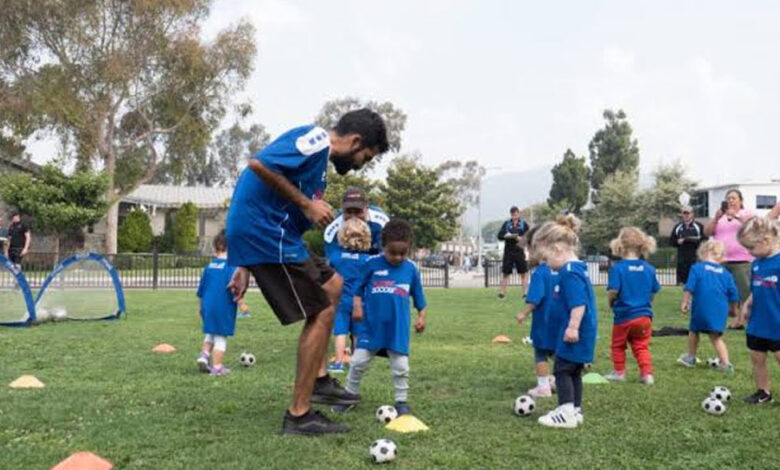

Soccer is one of the most engaging sports for children because it combines physical activity, coordination, teamwork, communication, and problem-solving in one enjoyable experience. Young players can learn a wide variety of skills while developing healthy habits and becoming more comfortable participating in group activities. Soccer classes for kids can provide a structured environment where children learn fundamental techniques through age-appropriate exercises, games, and guided practice. The emphasis should be on development, enjoyment, and participation rather than placing excessive pressure on young players to achieve immediate competitive results. With supportive coaching and regular practice, children can gradually improve their ball control, movement, confidence, communication, and understanding of the game.
Building a Strong Foundation
Every young soccer player needs to develop basic skills before moving toward more advanced techniques. Fundamental abilities include controlling the ball, passing accurately, dribbling, shooting, changing direction, and maintaining balance while moving. These skills can be introduced through simple activities that allow children to repeat movements and become familiar with the ball. Soccer classes for kids can organize these exercises into enjoyable activities that keep young players engaged while still providing meaningful instruction. Repetition is especially useful for children because regular practice helps movements become more natural over time. A strong foundation gives players greater confidence when they eventually encounter more complicated game situations.
Developing Ball Control
Ball control is one of the most important technical skills in soccer because players need to manage the ball while moving, passing, receiving, and responding to opponents. Young players can begin by learning simple touches using different parts of the foot. As their coordination improves, coaches can introduce exercises involving direction changes, controlled dribbling, and receiving passes from teammates. The goal is to help children become comfortable with the ball rather than expecting perfect technique immediately. Regular practice allows players to understand how different touches affect the movement of the ball. Over time, improved control can make children more confident when participating in small-sided games and other practice activities.
Improving Physical Coordination
Soccer requires children to coordinate their eyes, feet, legs, and body position while constantly adjusting to a moving ball and changing surroundings. Running, stopping, turning, jumping, and kicking can all contribute to the development of coordination when activities are designed appropriately for the child’s age. Coaches can introduce movement games that challenge children to react quickly without making the exercises unnecessarily complicated. Soccer classes for kids can combine physical movement with ball activities so children develop coordination while enjoying the sport. Better coordination can also benefit children in other physical activities because they become more comfortable controlling their movements and responding to different situations.
Encouraging Regular Physical Activity
Children need opportunities to remain physically active, and soccer can provide an enjoyable alternative to activities that feel like formal exercise. Training sessions can include running, walking, agility movements, ball control, passing, shooting, and games that keep children moving. The intensity should be suitable for the age and ability of the participants, with appropriate opportunities for water and rest. When physical activity is associated with fun and social interaction, children may be more motivated to participate consistently. Regular participation can help establish positive attitudes toward movement and fitness that may continue as children grow older.
Teaching Teamwork
Soccer is fundamentally a team sport, which means children learn that individual actions can contribute to a larger group objective. Passing, supporting teammates, creating space, defending, and communicating all require cooperation. Players gradually learn that they do not have to control the ball constantly to make a valuable contribution. Coaches can reinforce teamwork by using group activities where players must cooperate to complete a task or create scoring opportunities. Soccer classes for kids can therefore provide children with practical opportunities to understand cooperation rather than simply explaining the concept. These lessons can become valuable in school, friendships, family activities, and other group environments.
Developing Communication Skills
Communication can make a significant difference in soccer because players must share information quickly while moving around the field. Children can learn simple communication habits such as calling for a pass, warning teammates about nearby opponents, and encouraging other players. Coaches can demonstrate that effective communication should be clear, respectful, and helpful. Young players can also learn to listen to teammates and respond to instructions rather than focusing only on their own actions. As children become more comfortable communicating during games, they may also become more confident expressing themselves in other group situations. Soccer provides a natural setting where communication has an immediate and practical purpose.
Building Confidence Through Practice
Learning a new sport can be challenging, especially when children compare their abilities with those of their peers. A supportive coaching environment can help young players understand that improvement takes time and that mistakes are part of learning. Successfully completing a new skill, making a good pass, or understanding a game instruction can provide small moments of achievement. Coaches can recognize effort and progress instead of focusing exclusively on goals or match results. Soccer classes for kids can give children repeated opportunities to experience these small successes, which can gradually strengthen their confidence. Children who feel comfortable making mistakes are often more willing to experiment and continue learning.
Learning Through Games
Children often learn effectively when skills are presented through games rather than long periods of technical instruction. Small-sided games can give players more opportunities to touch the ball, make decisions, communicate, and practice skills under realistic conditions. Simple challenges can also make training more enjoyable while reinforcing important techniques. Coaches can modify the rules, field size, number of players, or objectives to focus on particular learning goals. Games also help children understand that soccer involves more than individual ball skills. They begin to recognize the importance of positioning, teamwork, movement, passing, and decision-making.
Developing Decision-Making Abilities
Soccer requires players to make decisions quickly because situations can change within seconds. A child may need to determine whether to pass, dribble, shoot, move into open space, or support another player. These decisions become easier as players gain experience and learn to observe what is happening around them. Coaches can create activities that provide multiple choices rather than requiring players to follow one predetermined movement. This approach encourages children to think independently and understand the consequences of their decisions. Decision-making skills developed through soccer can also support problem-solving and confidence in other areas of childhood development.
Making Training Age Appropriate
Children develop at different rates, so training should be adapted to their physical abilities, attention spans, coordination, and experience. Younger players may benefit from shorter activities involving simple movements, playful games, and basic ball exercises. Older or more experienced children can gradually work on more advanced technical and tactical concepts. Equipment, field dimensions, group sizes, and activity duration can all be adjusted according to developmental needs. soccer classes for kids should challenge participants without making them feel overwhelmed or discouraged. Age-appropriate instruction allows children to progress naturally while maintaining enjoyment and interest in the sport.
Teaching Discipline and Responsibility
Participation in organized sport can introduce children to routines and responsibilities. Players learn to arrive prepared, listen to instructions, care for equipment, follow rules, and cooperate with coaches and teammates. These expectations can help children understand that successful participation requires consistency and responsibility. Coaches can present these lessons positively by explaining why certain behaviors are important rather than simply imposing rules. Over time, children may begin to take greater responsibility for their equipment, preparation, and participation. These habits can extend beyond soccer and contribute to responsible behavior in school and other activities.
Encouraging Positive Sportsmanship
Competition can teach valuable lessons when children are shown how to handle both success and disappointment. Players will experience goals, missed opportunities, wins, losses, mistakes, and disagreements during their soccer development. Coaches can teach children to respect teammates, opponents, officials, and the rules of the game. Young players should understand that losing a match does not erase the progress they made during training. Good sportsmanship also means congratulating others, accepting decisions respectfully, and supporting teammates. These experiences can help children develop emotional resilience and understand how to participate constructively in competitive environments.
Supporting Social Development
Team sports create opportunities for children to interact with peers and build relationships through shared activities. Training sessions require children to take turns, share equipment, cooperate with teammates, and communicate during games. These interactions can help children become more comfortable working with people who have different personalities and skill levels. A welcoming environment is particularly important for beginners who may initially feel uncertain about participating. Coaches can encourage inclusion by giving every player opportunities to contribute. Over time, the social experience of soccer can become an important part of a child’s enjoyment and continued participation.
The Importance of a Positive Coach
Coaches have a major influence on how children perceive sport and their own abilities. A good youth coach should be able to explain skills clearly, demonstrate patience, encourage effort, and recognize that children learn at different speeds. Feedback should help players understand how they can improve rather than making them afraid of mistakes. Coaches also have an opportunity to model respectful communication, teamwork, fairness, and appropriate competitive behavior. Soccer classes for kids can be especially beneficial when coaching combines technical instruction with positive encouragement. A supportive coach can help children develop both their soccer abilities and their confidence as young participants.
Supporting Development at Home
Parents can contribute to a child’s soccer experience without placing unnecessary pressure on performance. Asking children whether they enjoyed practice, recognizing their effort, and encouraging them to keep learning can create a positive environment. Parents can also support healthy routines by encouraging adequate rest, hydration, balanced nutrition, and preparation for training. Informal play can provide additional opportunities for children to experiment with ball skills without the pressure of structured competition. The focus should remain on enjoyment and development rather than demanding specific results. Children who feel supported at home may be more willing to continue practicing and exploring their abilities.
Progressing From Beginner to Advanced Skills
Skill development is usually most effective when it follows a gradual progression. Beginners can start with basic movement and ball-control activities before advancing to passing combinations, defensive concepts, shooting techniques, and more complex game situations. Coaches can observe individual progress and adjust activities accordingly. A child who needs additional time with a particular technique should not be pressured to move forward simply because another player has advanced more quickly. Soccer classes for kids can support different learning speeds by offering exercises with varying levels of difficulty. Gradual progression allows children to experience challenges while still maintaining a sense of achievement.
Creating a Healthy Competitive Environment
Competition can be enjoyable and motivating when it is balanced with development and fun. Children may enjoy keeping score, participating in small tournaments, or playing structured matches, but competition should not become the sole measure of success. Coaches can highlight good passing, teamwork, effort, improvement, and smart decision-making alongside goals and match outcomes. This helps children understand that there are many ways to contribute to a team. A healthy competitive environment encourages players to challenge themselves while maintaining respect for others. It can also teach children how to respond constructively when results do not go their way.
Prioritizing Safety
Safety should always be considered when organizing children’s soccer activities. Training areas should provide enough space for players to move safely, and equipment should be suitable for the age and ability of the participants. Coaches should encourage appropriate warm-ups, hydration, rest, and attention to signs of excessive fatigue. Footwear and other equipment should be suitable for the playing surface and activity. Children should also understand the importance of following instructions designed to reduce avoidable risks. A safe training environment allows players to focus on learning and enjoying the sport without unnecessary distractions.
Long-Term Benefits of Youth Soccer
The value of youth soccer extends beyond learning how to pass, dribble, or shoot. Regular participation can provide opportunities for children to develop fitness, coordination, communication, teamwork, discipline, decision-making, resilience, and confidence. Children can also discover a sport they genuinely enjoy and may continue participating in recreational or competitive settings as they grow. Not every child needs to become a highly competitive player for the experience to be meaningful. The broader benefit is helping children develop positive relationships with physical activity and teamwork. Soccer classes for kids can provide a foundation for these experiences while allowing children to progress according to their individual interests and abilities.
Final Thoughts
Youth soccer can provide a well-rounded combination of physical activity, technical development, social interaction, and personal growth. Children can learn important skills while participating in an environment that encourages teamwork, communication, discipline, confidence, and sportsmanship. The most effective programs recognize that every child develops at a different pace and should receive age-appropriate instruction and positive encouragement. Soccer classes for kids can introduce young players to the fundamentals of the game while creating opportunities to practice skills through enjoyable activities and real game situations. With supportive coaches, engaged parents, consistent practice, and an emphasis on healthy participation, soccer can become a rewarding activity that contributes to children’s development both on and off the field.