The Complete Guide to Deep Cleaning, Effective Methods, Benefits, and Maintenance

Maintaining a clean property involves more than removing visible dust, dirt, and everyday messes from commonly used surfaces. Over time, grime can accumulate in corners, behind furniture, inside cabinets, around fixtures, beneath appliances, and in other areas that are not included in ordinary cleaning routines. These overlooked areas can affect the overall appearance and cleanliness of an environment. Deep cleaning focuses on reaching difficult and frequently neglected areas while addressing buildup that routine housekeeping may not remove. A thorough approach can improve the condition of surfaces, reduce accumulated dirt, freshen frequently used spaces, and create a more organized environment. Understanding what this process involves can help property owners develop a practical and effective cleaning routine.
Understanding the Purpose of Detailed Cleaning
Regular housekeeping usually focuses on everyday tasks such as dusting visible surfaces, vacuuming floors, wiping counters, cleaning bathrooms, and removing waste. These activities are important, but they may not address areas that receive less frequent attention. Deep cleaning involves a more detailed approach that targets accumulated dirt and overlooked spaces throughout a property. It may include cleaning baseboards, light fixtures, cabinet interiors, appliances, vents, corners, and areas behind or beneath furniture. The goal is not simply to make a space look cleaner temporarily but to address areas that gradually collect dirt and grime. A systematic cleaning plan can make this process more manageable and ensure that important areas are not forgotten.
Areas That Are Often Overlooked
Many areas can become dirty without being immediately noticeable because they are hidden, difficult to reach, or not part of everyday cleaning routines. The tops of cabinets, ceiling fans, door frames, window tracks, baseboards, and spaces behind appliances can collect dust over time. Bathroom grout, shower corners, drains, and fixtures may also develop buildup when they are not cleaned regularly. Kitchens can contain grease and residue around cooking equipment, cabinet edges, and ventilation areas. Deep cleaning gives attention to these overlooked locations and helps address accumulated material before it becomes more difficult to remove. Creating a checklist of commonly neglected areas can make detailed cleaning more consistent and thorough.
Preparing Before Cleaning Begins
Preparation is an important part of an efficient cleaning project because it reduces interruptions and helps organize the work. Rooms should be decluttered as much as possible before surfaces are cleaned so that dirt is not simply moved around objects. Cleaning supplies should be gathered according to the materials and surfaces that need attention. Different surfaces may require different products, and manufacturer instructions should always be followed when using specialized cleaners. It can also be helpful to divide the property into sections rather than attempting to clean everything at once. Good preparation allows deep cleaning to proceed in a logical order and makes it easier to track which areas have already been completed.
Cleaning Kitchens Thoroughly
Kitchens often require special attention because cooking can produce grease, food particles, moisture, and other residues that settle on nearby surfaces. Counters and floors may receive regular attention, but cabinet tops, cabinet interiors, backsplashes, appliance sides, and areas around cooking equipment can collect buildup over time. Refrigerators, ovens, microwaves, and other appliances may also require cleaning according to their individual materials and manufacturer recommendations. Grease should be removed with products appropriate for the affected surface rather than harsh chemicals that may cause damage. Deep cleaning in the kitchen can help remove accumulated residue from less visible areas while improving the overall appearance and hygiene of one of the most frequently used rooms in a property.
Maintaining Bathrooms Properly
Bathrooms are exposed to moisture, soap residue, mineral deposits, and everyday use, making them important areas for detailed cleaning. Showers, tubs, sinks, toilets, mirrors, floors, grout, and fixtures should all be cleaned according to their specific materials. Areas around faucets and drains can develop buildup when water remains on surfaces for extended periods. Ventilation should also be maintained because excessive moisture can contribute to odors and other maintenance problems. Cleaning should focus on both visible surfaces and less noticeable areas such as corners, behind fixtures, cabinet interiors, and ventilation grilles. A thorough bathroom cleaning routine can help keep surfaces in better condition and make recurring buildup easier to control.
Dusting Hard-to-Reach Areas
Dust can accumulate on surfaces that are rarely touched, including ceiling fans, light fixtures, high shelves, door frames, vents, blinds, and the tops of furniture. Because these areas are often above eye level, they may remain unnoticed during ordinary housekeeping. Using suitable tools can make it easier to reach these locations without damaging surfaces or spreading dust throughout the room. Cleaning from higher areas toward lower surfaces can also help prevent cleaned areas from becoming dusty again. Deep cleaning should include these elevated and overlooked surfaces when appropriate. Regular attention to hard-to-reach areas can reduce the amount of dust that eventually settles on floors, furniture, and other frequently used surfaces.
Cleaning Floors and Baseboards
Floors naturally receive significant amounts of dirt because they are exposed to foot traffic, spills, dust, and other everyday debris. Regular vacuuming and mopping can remove much of this material, but corners, edges, baseboards, and areas beneath furniture may receive less attention. Baseboards can develop a layer of dust and grime that becomes more noticeable over time. Cleaning these areas carefully can improve the overall appearance of a room and prevent buildup from becoming difficult to remove. Different flooring materials require different cleaning methods, so products should be selected according to the manufacturer’s recommendations. A detailed floor-cleaning routine should include edges and less accessible areas rather than focusing only on open floor surfaces.
Cleaning Windows and Window Areas
Windows can collect fingerprints, dust, moisture marks, and other buildup on both glass and surrounding surfaces. Window frames, tracks, sills, blinds, and curtains may also accumulate dust and debris. These areas can be overlooked because regular cleaning often focuses only on the glass itself. Cleaning window tracks may require careful removal of loose debris before applying a suitable cleaning solution. Curtains and fabric window coverings should be maintained according to their care instructions to avoid damage. Including windows and surrounding areas in a deep cleaning routine can improve the appearance of rooms while helping remove accumulated dirt from surfaces that are often neglected.
Cleaning Furniture and Upholstery
Furniture can collect dust, crumbs, pet hair, and other debris in seams, underneath cushions, and along edges. Sofas, chairs, mattresses, and fabric-covered furniture should be cleaned according to their material and manufacturer’s care instructions. Vacuum attachments can help remove loose debris from difficult areas, while suitable upholstery products may be used when appropriate. Wooden furniture can also collect dust and fingerprints, particularly around handles and frequently touched areas. Before using any cleaning product on furniture, it is important to check whether the material can tolerate it. A detailed furniture-cleaning routine can help maintain appearance and reduce the accumulation of debris in areas that are not addressed during ordinary housekeeping.
Cleaning Behind and Beneath Appliances
Spaces behind and underneath appliances can collect significant amounts of dust, food particles, grease, and other debris because these areas are often difficult to access. Refrigerators, washing machines, dryers, ovens, and other large appliances may need to be moved carefully when cleaning around them. Safety should be considered before moving heavy appliances, particularly when electrical connections, gas lines, or water hoses are involved. Some equipment should only be serviced or moved by qualified professionals. When it is safe to access these areas, removing accumulated debris can improve overall cleanliness and make it easier to notice leaks or other maintenance concerns. Deep cleaning should address accessible areas without creating unnecessary risks or damaging appliances.
Cleaning Cabinets and Storage Areas
Cabinet interiors and storage spaces can collect dust, crumbs, spills, and expired items over time. Kitchen cabinets may develop grease residue, while bathroom storage can accumulate moisture-related buildup. Removing stored items before cleaning makes it easier to inspect shelves, corners, hinges, and interior surfaces. Items should be checked and organized before being returned to their storage locations. Cleaning products should be selected according to the cabinet material because excessive moisture or harsh chemicals can damage certain finishes. Regular attention to storage areas can improve organization while reducing the buildup that tends to remain hidden behind frequently stored items.
Managing Odors and Freshness
Unpleasant odors can develop for many reasons, including food residues, waste, moisture, dirty fabrics, drains, pet accidents, and accumulated debris. Simply covering an odor with a fragrance may provide temporary relief without addressing the source. A more effective approach is to identify where the odor originates and remove the material responsible whenever possible. Fabrics, carpets, upholstery, trash containers, drains, and other odor-prone areas should be inspected during a detailed cleaning routine. Deep cleaning can help address odor sources by removing accumulated residues and cleaning areas that may not receive regular attention. If an unusual odor persists after cleaning, it may indicate an underlying moisture, plumbing, or ventilation problem that requires further investigation.
Cleaning High-Touch Surfaces
Frequently touched surfaces can accumulate dirt, oils, and other residues through normal daily use. Door handles, cabinet handles, switches, remote controls, railings, faucet handles, appliance controls, and similar surfaces should be included in routine maintenance. Cleaning products should be appropriate for the specific surface and used according to their instructions. Excessive moisture should be avoided around electrical components, switches, and sensitive equipment. High-touch areas may need more frequent cleaning than less-used surfaces, particularly in busy environments. Including these areas in a detailed cleaning plan can help maintain a cleaner environment and prevent visible grime from building up on commonly handled objects.
Choosing Cleaning Products Carefully
Different materials require different cleaning methods, and using an unsuitable product can cause stains, discoloration, corrosion, or surface damage. Before applying a cleaner, the label should be reviewed to determine whether it is appropriate for the intended surface. Some materials may require mild detergents, while others may need specialized products. Cleaning chemicals should never be mixed unless the manufacturer specifically confirms that they are compatible. Proper ventilation may also be necessary when using products that produce strong vapors. A careful approach to product selection is an important part of deep cleaning because effective cleaning should remove dirt without unnecessarily damaging the surfaces being treated.
Maintaining Cleanliness Between Detailed Sessions
A detailed cleaning session can remove accumulated dirt, but regular maintenance is necessary to keep a property clean over time. Daily or weekly tasks such as wiping counters, vacuuming floors, cleaning bathrooms, removing waste, and washing frequently used fabrics can prevent buildup from becoming excessive. Small spills should be addressed promptly, and clutter should be controlled so that surfaces remain accessible. Filters, vents, appliances, and other maintenance-sensitive areas should also be checked according to their specific requirements. A combination of routine housekeeping and periodic detailed cleaning can make each cleaning session more manageable. Consistent maintenance also helps identify repairs, leaks, stains, and other property concerns before they become more difficult to address.
When Professional Cleaning May Be Helpful
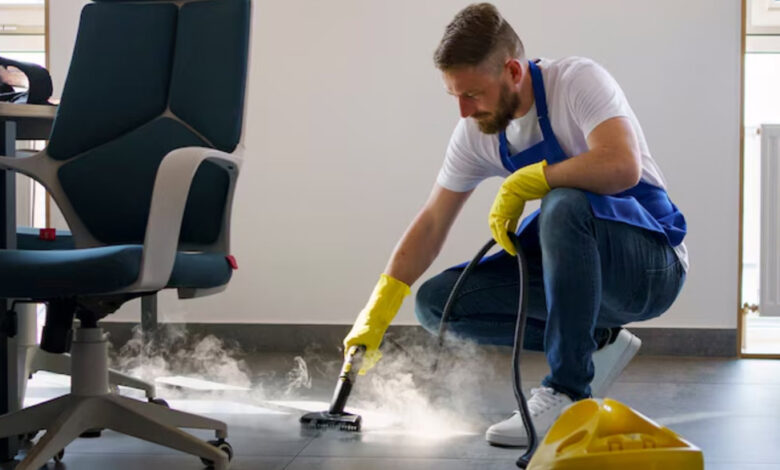
Some cleaning projects may be difficult to complete with ordinary household tools, particularly when a property is very large, heavily soiled, recently renovated, or affected by unusual contamination. Professional cleaners may have specialized equipment, appropriate products, and experience handling difficult surfaces and hard-to-reach areas. Professional assistance can also be useful when cleaning requires significant physical effort or when property owners have limited time to complete the work. Deep cleaning performed by trained professionals may involve a systematic inspection and cleaning process designed around the property’s specific needs. When choosing professional assistance, it is useful to discuss the scope of work clearly so that expectations, included services, and cleaning priorities are understood before work begins.
Final Thoughts
Keeping a property thoroughly clean requires attention to both everyday surfaces and areas that are frequently overlooked. Dust, grease, food residues, soap buildup, pet hair, dirt, and other materials can gradually accumulate in corners, cabinets, appliances, furniture, fixtures, and hard-to-reach spaces. Deep cleaning provides an opportunity to address this buildup through a systematic and detailed approach while also identifying maintenance concerns that may otherwise remain unnoticed. Regular housekeeping should continue between detailed cleaning sessions because consistent maintenance helps prevent heavy accumulation. By preparing properly, selecting suitable cleaning products, working systematically, and paying attention to neglected areas, property owners can maintain a cleaner, fresher, and more organized environment over the long term.