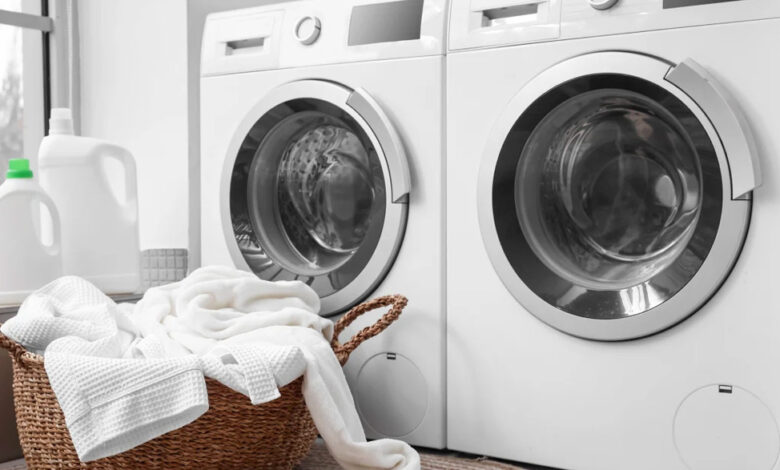

A clothes dryer is an important household appliance that saves time and makes laundry more convenient, especially when large amounts of clothing need to be dried regularly. Like any mechanical appliance, a dryer can eventually develop problems because of normal wear, electrical issues, blocked airflow, damaged components, or improper maintenance. Some problems are minor and can be resolved with basic cleaning or adjustments, while others require careful inspection and replacement of faulty parts. Understanding the most common causes of dryer problems can help homeowners identify warning signs early and avoid unnecessary damage. When an appliance begins making unusual sounds, taking longer to dry clothes, producing excessive heat, or failing to start, timely dryer repair can help restore normal operation and prevent a small problem from becoming more expensive.
Understanding How a Dryer Works
A dryer uses a combination of heat, airflow, and mechanical movement to remove moisture from clothing. Depending on the type of appliance, an electric heating element or gas burner produces heat while a motor rotates the drum. A blower or fan moves warm air through the drum and eventually sends moist air through the exhaust system. Several components work together to control temperature, airflow, drum movement, and electrical operation. If one component becomes damaged or blocked, the entire drying process can become less efficient. Understanding this basic operation makes it easier to recognize why certain symptoms occur and why professional dryer repair may sometimes be necessary to identify the underlying cause.
Dryer Takes Too Long to Dry
One of the most common dryer complaints is that clothes remain damp after a normal cycle. This problem does not always mean that the heating system has completely failed. A clogged lint filter, restricted exhaust vent, crushed duct, overloaded drum, or insufficient airflow can prevent moisture from leaving the appliance efficiently. When moist air remains trapped inside the system, drying times increase and the appliance may consume more energy. Cleaning the lint filter after every load is an important first step, while the exhaust system should also be checked periodically for accumulated lint. If airflow is still poor after basic maintenance, dryer repair may be required to determine whether a blower, heating component, thermostat, or other internal part is causing the problem.
Dryer Does Not Start
A dryer that does not start can have several possible causes. The problem may be as simple as an improperly closed door, a tripped circuit breaker, or a damaged power connection. More complicated causes can include a defective door switch, thermal fuse, start switch, timer, control board, or motor. Before examining internal components, the power supply should always be checked carefully, and the appliance should be disconnected from electricity before attempting any inspection. If the basic external checks do not resolve the issue, internal electrical components may need professional testing. Attempting to replace electrical parts without understanding the wiring and safety requirements can create additional risks, so qualified dryer repair is often the safer option for persistent starting problems.
Dryer Produces No Heat
A dryer that runs but produces little or no heat cannot properly remove moisture from clothing. In electric models, a damaged heating element, thermal fuse, thermostat, or electrical connection can prevent heat generation. Gas models may experience problems involving ignition components, gas valves, flame sensors, or other parts of the heating system. Restricted airflow can also create overheating conditions that cause protective components to shut down the heating system. Because heating systems can involve high temperatures, electricity, or combustible gas, diagnosis should be approached carefully. If basic cleaning does not restore proper operation, dryer repair can identify the faulty component and determine whether it should be repaired, replaced, or professionally serviced.
Dryer Becomes Too Hot
Excessive heat is another warning sign that should not be ignored. A dryer may become unusually hot when airflow is restricted by lint buildup or a blocked exhaust duct. A defective thermostat or temperature sensor can also prevent the appliance from maintaining the correct temperature. In some cases, the heating element may remain active when it should cycle off, creating excessive heat inside the cabinet. Continued operation under these conditions can damage clothing, internal components, and surrounding materials. Regular lint removal and proper ventilation are important preventive measures, but persistent overheating should be investigated promptly. Professional dryer repair can help determine whether the issue is related to airflow, temperature controls, heating components, or another internal fault.
Unusual Noises and Vibrations
Strange noises can provide useful clues about the condition of a dryer. Squealing may indicate worn rollers, bearings, idler pulleys, or belts, while scraping or grinding sounds can suggest that a rotating component is damaged or misaligned. A loud thumping sound may occur when drum rollers become worn or when the appliance is not positioned properly. Small objects such as coins, buttons, or other items can also become trapped inside the drum or blower area. Ignoring unusual noises can allow mechanical damage to become more severe. If cleaning and leveling do not solve the problem, dryer repair may involve inspecting the drum support system, belt, motor, rollers, and other moving components.
Problems With the Dryer Drum
The drum must rotate smoothly to move clothing through the warm airflow. If the drum stops turning while the motor continues to operate, the drive belt may be broken or the drum support components may be damaged. A worn belt can also produce slipping sounds or cause the drum to rotate inconsistently. In some cases, the motor itself may be struggling because of wear or an obstruction. Since several components contribute to drum movement, identifying the exact cause requires careful inspection. Continuing to operate an appliance with a damaged belt or failing mechanical component may cause additional stress on the motor and other parts. Proper dryer repair can restore smooth drum movement and help prevent further mechanical problems.
Importance of the Lint Filter
The lint filter is one of the simplest but most important parts of a dryer. During each drying cycle, fabric fibers separate from clothing and are collected by the filter. If the filter becomes heavily covered with lint, airflow can decrease and drying performance can decline. Excessive lint buildup can also increase the risk of overheating. The filter should generally be cleaned after each load, and it should occasionally be washed according to the manufacturer’s recommendations because fabric softener residue can reduce airflow through the screen. Keeping the filter clean is an inexpensive preventive measure that can improve efficiency and reduce stress on the appliance. Good maintenance can also reduce the frequency of dryer repair caused by airflow and overheating issues.
Checking the Exhaust Vent
The exhaust vent is responsible for moving warm, moist air away from the dryer. If the vent becomes clogged, the appliance may take much longer to dry clothes and may operate at higher temperatures. Lint can accumulate inside the duct over time, particularly when the vent is long, has several bends, or is not properly configured. A crushed or disconnected duct can create similar problems. Periodic inspection and cleaning can help maintain proper airflow. If a vent problem continues despite cleaning, the duct arrangement may need professional evaluation. Improving ventilation can sometimes resolve performance issues without replacing expensive internal parts, which is why airflow should be considered during dryer repair diagnosis.
Electrical Problems
Electric dryers require several electrical components to work together safely. Circuit breakers, power connections, thermal fuses, switches, thermostats, heating elements, motors, and electronic controls can all affect operation. Electrical problems may cause the dryer to stop suddenly, fail to heat, run intermittently, or refuse to start. Signs such as burning odors, visible damage to wiring, repeated breaker trips, or unusual electrical sounds should be treated seriously. The appliance should be disconnected from its power source before any inspection, and damaged wiring should not be handled without appropriate knowledge. Qualified dryer repair technicians can use electrical testing equipment to identify faulty circuits and components while following appropriate safety procedures.
Gas Dryer Considerations
Gas-powered dryers require additional attention because they use fuel as part of the heating process. Problems involving the burner, igniter, gas valve, flame sensor, or ventilation system can affect performance. A gas smell should never be ignored, and users should avoid attempting repairs involving gas connections unless they have the appropriate qualifications and equipment. Proper ventilation is particularly important because combustion produces exhaust gases that must be safely removed. Regular inspection can help identify problems before they affect performance or safety. When a gas dryer develops persistent heating or ignition problems, professional dryer repair should be considered so that the appliance can be evaluated safely and the correct component can be serviced.
Preventive Maintenance Practices
Regular maintenance is one of the best ways to extend the useful life of a dryer. Cleaning the lint filter after every load, inspecting the exhaust vent, avoiding excessive loads, keeping the appliance level, and checking for unusual sounds can help identify developing problems early. Users should also follow the manufacturer’s recommendations for cleaning and maintenance. Overloading the drum can place additional strain on the motor, belt, drum supports, and other components while also reducing drying performance. Allowing adequate airflow around the appliance is another useful practice. Consistent maintenance can reduce unnecessary dryer repair expenses and help the appliance operate more efficiently over a longer period.
When Professional Service Is Needed
Some dryer problems can be addressed through basic maintenance, but others require professional attention. If an appliance repeatedly trips a breaker, produces burning odors, overheats, makes severe grinding noises, or has electrical or gas-related problems, continued use may be unsafe. Internal components can be difficult to access, and incorrect installation of replacement parts can create additional faults. Professional technicians generally have diagnostic tools and experience that allow them to identify the actual cause rather than simply replacing parts based on symptoms. Timely dryer repair can also be more economical than allowing a minor component failure to damage other parts of the appliance.
Repair or Replace the Dryer
When a dryer develops a major problem, homeowners may need to decide whether repairing the appliance makes sense or whether replacement is more practical. The decision can depend on the age of the appliance, the cost of the required parts, its previous maintenance history, energy efficiency, and the severity of the current problem. A relatively minor component failure may make repair worthwhile, while repeated failures or extensive damage may justify considering a replacement. Before making a decision, obtaining an accurate diagnosis can be useful because symptoms alone do not always indicate the actual source of the problem. A professional dryer repair assessment can provide information about the condition of the appliance and the likely cost of restoring it.
Improving Dryer Efficiency
Efficient dryer operation depends on proper airflow, suitable loading, clean filters, and functioning internal components. Clothes should generally be sorted according to fabric type and drying requirements, and the drum should not be overloaded. Cleaning the lint filter regularly allows air to move more freely and helps the appliance remove moisture effectively. Keeping the exhaust system clear is equally important because restricted airflow can significantly increase drying time. If the dryer suddenly becomes less efficient despite good maintenance habits, an internal component may be wearing out. Addressing the problem early through appropriate dryer repair can help restore performance and prevent increased energy consumption.
Conclusion
A dryer is a valuable household appliance, but it depends on several mechanical, electrical, and airflow components working together correctly. Problems such as long drying times, lack of heat, excessive heat, unusual noises, drum movement issues, and starting failures can have different causes and should not be ignored. Simple maintenance, including regular lint removal and exhaust inspection, can prevent many common performance problems. More serious electrical, mechanical, heating, or gas-related faults should be handled with appropriate care and professional expertise. Understanding the warning signs and responding to them early can help protect the appliance, reduce operating costs, and extend its useful life. When professional dryer repair is necessary, accurate diagnosis and proper replacement of faulty components can restore reliable performance while helping prevent the same problem from returning.