
A well-designed parking lot is an essential part of many commercial, residential, institutional, and industrial properties. It provides more than a designated place for vehicles; it also contributes to accessibility, safety, traffic flow, drainage, appearance, and the overall usability of a property. Because parking areas experience regular vehicle traffic and constant exposure to weather, their surfaces and supporting structures require careful planning, quality materials, and professional installation. Working with an experienced parking lot contractor can help property owners develop a durable parking area that meets practical requirements while providing long-term value.
Parking lot projects can involve many stages, from initial site assessment and grading to paving, drainage, markings, repairs, and ongoing maintenance. The right approach depends on factors such as expected traffic volume, soil conditions, available space, climate, drainage requirements, and the type of vehicles that will use the property. Understanding these factors can help owners make informed decisions and avoid common problems that may shorten the life of a parking area.
Understanding the Role of a Parking Lot Contractor
A parking lot contractor is responsible for carrying out construction, paving, repair, and maintenance work associated with parking areas. Depending on the scope of a project, the contractor may handle site preparation, excavation, grading, base installation, asphalt or concrete paving, drainage, curbs, parking lines, accessibility features, and repairs.
Professional contractors typically begin by evaluating the existing conditions. This may include examining the soil, surface condition, drainage patterns, existing pavement, traffic requirements, and available space.
A detailed assessment is important because surface problems are not always caused by the visible pavement. Cracks, potholes, and uneven areas can sometimes result from weak base materials, poor drainage, soil movement, or inadequate preparation beneath the surface.
Addressing the underlying cause is therefore essential for creating a parking area that performs reliably over time.
Planning a New Parking Lot
Proper planning is one of the most important stages of a parking lot project. The layout should provide enough vehicle spaces while allowing drivers to enter, park, maneuver, and exit comfortably.
Traffic flow should be considered from the beginning. Drive aisles need sufficient width for the types of vehicles expected to use the property, while entrances and exits should be positioned to support safe movement.
The location of pedestrian routes is also important. People should be able to move between parking spaces and building entrances without unnecessary conflicts with moving vehicles.
A well-planned layout can improve efficiency while making the parking area easier to navigate. It can also reduce congestion and help property owners make better use of the available land.
Site Preparation and Grading
The quality of a parking lot depends heavily on what happens beneath the visible surface. Site preparation typically involves clearing unsuitable material, preparing the soil, establishing appropriate grades, and installing a stable base.
Grading determines how water moves across the property. Parking areas should generally be designed so rainwater does not remain on the pavement for extended periods.
Poor grading can lead to standing water, surface deterioration, erosion, and drainage problems. Over time, repeated exposure to moisture can weaken pavement and contribute to cracking or pothole development.A professional contractor can evaluate the existing site and determine how grading should be adjusted to support effective water management.
Choosing Between Asphalt and Concrete
Asphalt and concrete are two common paving materials, and each has different characteristics. The appropriate option depends on factors such as traffic levels, project requirements, maintenance expectations, climate, and budget.
Asphalt is widely used for parking areas because it can provide a durable driving surface and can often be installed relatively efficiently. It can also be repaired and resurfaced as part of ongoing maintenance.
Concrete offers a rigid surface and may be particularly suitable for areas exposed to heavier loads or specific operating conditions. Proper joint placement and installation practices are important because concrete can experience cracking when subjected to movement, temperature changes, or inadequate preparation.
Rather than selecting a material based only on initial cost, property owners should consider expected service life, maintenance requirements, traffic conditions, and long-term performance.
Building a Strong Pavement Base
The base beneath the pavement provides critical structural support. If the base is weak, the finished surface may fail prematurely even when high-quality paving material is used.
Base preparation may involve compacted aggregate or other engineered materials selected according to the site’s conditions and anticipated loads.Compaction is particularly important because loose or unstable material can settle under traffic. Settlement can produce depressions, cracking, and uneven pavement.
The required base thickness depends on factors such as soil strength, drainage, climate, and expected vehicle loads. Areas that will receive heavy trucks or other large vehicles may require more substantial structural preparation than ordinary passenger-vehicle parking areas.
Drainage and Water Management
Water is one of the major causes of pavement deterioration, making drainage a critical component of parking lot construction. A properly designed system directs water away from the pavement and toward appropriate collection or discharge areas.
Drainage may involve slopes, catch basins, storm drains, channels, curbs, or other features. The specific design depends on the site’s topography and local requirements.
Water should not be allowed to accumulate near building foundations or remain trapped beneath the pavement. Subsurface drainage may also be necessary in locations with challenging soil or groundwater conditions.A contractor should evaluate both surface and subsurface water movement when designing or repairing a parking lot.
Parking Lot Striping and Markings
Clear pavement markings help organize vehicle movement and maximize available parking space. Lines can define individual parking stalls, traffic lanes, loading zones, pedestrian areas, and other designated spaces.
Fresh striping can also make an older parking lot look cleaner and more professional. Faded markings can make it difficult for drivers to understand where they should park or travel.Accessible parking spaces and associated markings should be designed according to applicable requirements. Signage and access routes should also be incorporated appropriately.
Parking lot markings should be periodically refreshed because traffic, weather, cleaning, and general wear can gradually reduce their visibility.
Installing Curbs and Wheel Stops
Curbs can help define the edges of parking areas and control vehicle movement. They may also separate pavement from landscaped areas, sidewalks, drainage features, or building entrances.
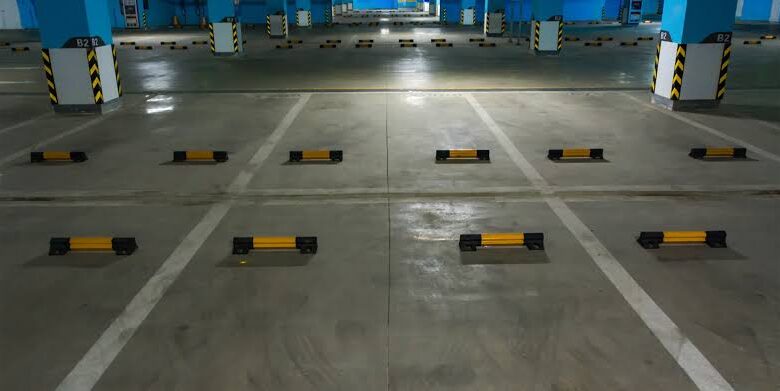
Wheel stops can help prevent vehicles from moving too far forward into pedestrian paths, landscaping, walls, or structures. Their placement should allow sufficient space for vehicles and pedestrians while avoiding unnecessary obstructions.
These features should be incorporated into the overall parking layout rather than treated as isolated additions.A parking lot should provide safe and practical access for all intended users. Accessibility features may include designated parking spaces, appropriate access aisles, ramps, pedestrian routes, signage, and suitable surface conditions.
The exact requirements vary according to applicable regulations and the type of property. A contractor should understand the relevant standards and incorporate required features into the design and construction process.Accessible routes should remain clear and should connect parking areas with appropriate building entrances. Pavement condition is also important because significant cracks, potholes, or uneven surfaces can make movement more difficult.
Parking Lot Repair Services
Existing parking lots eventually develop signs of wear. Cracks, potholes, faded markings, surface deterioration, and drainage problems are common maintenance concerns.
Repair strategies should be based on the severity and underlying cause of the damage. Small cracks may be treated through appropriate crack repair, while larger areas of failure may require patching or reconstruction.
Simply covering a damaged area without addressing the reason for its failure may result in recurring problems. If water is entering the pavement structure or the base has deteriorated, more extensive work may be necessary.Professional evaluation can help determine whether localized repair, resurfacing, or full reconstruction is appropriate.
Crack Repair and Sealing
Cracks can allow water to enter the pavement structure. Over time, repeated moisture exposure and temperature changes can contribute to the expansion of existing cracks and deterioration beneath the surface.
Crack sealing can help protect suitable pavement by limiting water infiltration through certain types of cracks. The method used should depend on the size, location, and condition of the damaged area.
Not every crack can be effectively managed through sealing. Wide, interconnected, or structurally significant cracking may indicate deeper pavement failure.Regular inspection allows property owners to identify cracks early and determine whether maintenance can prevent more extensive deterioration.
Pothole Repair
Potholes are among the most noticeable forms of parking lot damage. They can develop when water enters pavement, weakens the underlying structure, and combines with traffic and environmental stresses.
Small potholes can become larger when vehicles repeatedly drive over them. In addition to making the parking area less attractive, potholes can create hazards for vehicles and pedestrians.
Effective repair involves more than filling the visible hole. The damaged area should be prepared properly so that the repair bonds with the surrounding pavement and receives adequate structural support.If potholes repeatedly appear in the same area, the underlying drainage or base condition should be investigated.
Parking Lot Resurfacing
Resurfacing can provide a practical option when the existing pavement has widespread surface deterioration but still retains adequate structural strength.
During resurfacing, the existing surface is prepared before a new layer of pavement is installed. The process can improve appearance, smoothness, and resistance to further surface wear.
However, resurfacing is not appropriate for every damaged parking lot. Severe structural failure, extensive base deterioration, or major drainage problems may require reconstruction instead.A professional inspection can help determine whether resurfacing is likely to provide a durable solution.
When pavement and underlying materials have deteriorated significantly, full reconstruction may be necessary. This can involve removing existing pavement, addressing unsuitable base or soil conditions, improving drainage, rebuilding the structural layers, and installing new pavement.
Although reconstruction requires a larger initial investment than minor repairs, it may provide a more durable solution when the existing structure can no longer support normal traffic.The decision should be based on the condition of the entire pavement system rather than its appearance alone.
Maintaining a Parking Lot After Installation
Regular maintenance can significantly influence the useful life of a parking area. Property owners should inspect pavement periodically for cracks, potholes, drainage problems, faded markings, and other signs of deterioration.
Keeping drainage systems clear is particularly important. Blocked drains can cause water to accumulate on the surface or enter pavement joints and cracks.
Debris should also be removed because accumulated material can obstruct drainage and contribute to surface staining or deterioration.Promptly addressing small problems can help prevent them from developing into larger and more expensive repairs.
Sealcoating Asphalt Surfaces
Sealcoating is a maintenance treatment commonly used on asphalt surfaces. It can provide a protective layer against certain environmental effects and improve the overall appearance of the pavement.
Sealcoating does not replace structural repairs. Cracks, potholes, and other significant defects should generally be addressed before a protective coating is applied.
The timing and frequency of sealcoating depend on pavement condition, traffic, weather exposure, and the type of product used.When included as part of a broader maintenance plan, it can help keep an asphalt parking area looking maintained while supporting surface protection.
Considering Heavy Vehicle Traffic
Not every parking lot experiences the same type of traffic. A small office parking area may primarily accommodate passenger vehicles, while an industrial or commercial property may regularly receive delivery trucks, service vehicles, buses, or other heavy equipment.
Heavy traffic can place greater stress on pavement and the supporting base. Turning movements can be particularly demanding because vehicles may exert greater forces on the surface.
The pavement structure should therefore be designed according to the expected traffic rather than using a standard approach for every property.A clean, organized parking lot can contribute to the overall impression of a property. Fresh pavement, visible markings, clean curbs, appropriate landscaping, and well-maintained drainage features can create a more orderly environment.
Appearance is not merely cosmetic. Clear markings and well-defined spaces can improve navigation and reduce confusion.Landscaping should be planned carefully so that roots, irrigation, falling leaves, and vegetation do not create unnecessary pavement or drainage problems.
Safety and Traffic Flow
Safety should be considered throughout the design and maintenance process. Drivers need clear routes, visible markings, adequate sightlines, and appropriate entrances and exits.Pedestrian movement should also be considered. Where possible, walking routes should be clearly defined and separated from vehicle traffic.
Lighting can improve visibility during evening hours, particularly around entrances, pedestrian paths, stairs, and other important areas.Speed-control features may also be appropriate in certain parking environments, depending on traffic conditions and property requirements.
Choosing an experienced contractor is an important part of a successful parking lot project. Property owners should consider the contractor’s experience with similar projects, construction methods, equipment, materials, and approach to site preparation.
A professional contractor should provide a clear scope of work explaining what will be installed or repaired. It can also be helpful to discuss drainage, pavement thickness, base preparation, expected traffic, maintenance recommendations, and project scheduling.Comparing contractors based solely on the lowest initial price can be risky if important components of the work are excluded. A detailed proposal makes it easier to understand what the quoted cost actually includes.
Planning for Long-Term Performance
The best parking lot projects are planned with long-term performance in mind. Choosing appropriate materials and preparing the site properly can reduce the need for frequent repairs.
Maintenance should also be included in the property’s long-term planning. Regular inspections, crack treatment, pavement repairs, drainage cleaning, and marking renewal can help preserve the surface.A parking lot is a significant property investment, so protecting that investment requires more than completing the initial installation. Ongoing care can help extend pavement life and maintain a safe, functional environment.
Conclusion
A parking lot is an important part of a property’s infrastructure, and its performance depends on careful planning, proper construction, effective drainage, suitable materials, and regular maintenance. From site preparation and grading to paving, striping, repairs, and resurfing owners address the structural and practical requirements of a parking area while avoiding common construction and maintenance problems. A professional approach can ensure that pavement is supported by an appropriate base, water is managed effectively, traffic patterns are considered, and necessary marking spacing, every stage contributes to the quality and longevity of the finished surface.
Working with an experienced parking lot contractor can help property owners address the structural and practical requirements of a parking area while avoiding common construction and maintenance problems. A professional approach can ensure that pavement is supported by an appropriate base, water is managed effectively, traffic patterns are considered, and necessary markings and accessibility features are incorporated.
Whether developing a new parking area or improving an existing one, focusing on both immediate needs and long-term performance can provide a more durable and functional result. With proper design, quality workmanship, routine inspections, and timely maintenance, a well-built parking lot can continue serving property owners, customers, employees, residents, and visitors efficiently for many years.