
A roof is one of the most important protective components of any building. It shields the interior from rain, wind, sunlight, temperature changes, and other environmental conditions while helping maintain the comfort and structural integrity of the property. Although a properly installed roof can provide protection for many years, it is not completely maintenance-free. Roofing materials naturally experience wear, and small problems can develop around shingles, tiles, flashing, vents, gutters, seams, and other vulnerable areas. When these issues are ignored, they can eventually lead to leaks, damaged insulation, deteriorated structural materials, and expensive repairs.
Professional roofing services can help property owners address these concerns before they become more complicated. A qualified roofing contractor can inspect the condition of a roof, identify areas requiring attention, recommend appropriate repairs, and determine when replacement may be more practical than continued patching. Regular inspections and timely maintenance are widely recognized as important parts of responsible roof care because early defects can often be addressed before they develop into larger failures. GovInfo
Understanding the Role of a Roof
A roof is more than the visible outer layer that covers a building. It is a complete system made up of multiple components that work together to keep moisture outside and protect the structure underneath. Depending on the type of roof, these components may include the roof deck, underlayment, shingles or other covering materials, flashing, ventilation components, insulation, drainage systems, and protective barriers. Each layer has a specific purpose, and a problem in one area can eventually affect other parts of the system.
The visible roofing material receives most of the attention, but hidden components are equally important. Underlayment, for example, provides an additional layer of protection beneath many roofing coverings, while flashing helps direct water away from vulnerable joints and penetrations. Ventilation can help manage heat and moisture in attic spaces, while gutters and downspouts move rainwater away from the structure. A complete roofing assessment therefore needs to consider the system as a whole rather than focusing exclusively on visible damage. This Old House
Common Roofing Problems Property Owners Encounter
Roofing problems can develop for many reasons. Age is one factor, but weather exposure, poor installation, inadequate drainage, falling branches, physical impact, and neglected maintenance can also contribute. Missing or damaged shingles are among the most visible concerns, while problems involving flashing, seals, vents, or drainage systems may be more difficult to notice until water begins entering the building.
Leaks are particularly important because the location of an interior water stain does not necessarily correspond to the location of the roof defect. Water can travel along decking, insulation, framing, or other materials before becoming visible inside. As a result, simply sealing the area where a stain appears may not address the underlying source.
Other warning signs can include curled or cracked roofing materials, exposed underlayment, deteriorated flashing, sagging areas, damaged gutters, blocked drainage points, excessive granule accumulation, or visible gaps around roof penetrations. After severe weather, additional inspection may be appropriate because strong winds, hail, heavy rain, or falling debris can create damage that is not immediately obvious from inside the building. Regular inspection programs are recommended in roofing maintenance guidance precisely because early discovery can reduce the likelihood of major deterioration. GovInfo
Why Regular Roof Inspections Matter
Regular inspections allow property owners to monitor the condition of a roof rather than waiting for a visible leak or major failure. A professional inspection can examine the roofing surface, drainage components, flashing, penetrations, edges, and other areas where problems commonly develop. Depending on the roof design, an inspector may also assess accessible attic areas or other components beneath the exterior surface.
The frequency of inspections depends on the roof system, age, exposure, building type, and maintenance history. Many maintenance programs recommend routine inspections and additional checks following unusually severe weather. A consistent inspection record can also help property owners recognize changes over time and plan repairs before deterioration becomes extensive. GovInfo
Homeowners can perform basic visual checks from the ground, particularly when looking for obvious changes such as missing materials, damaged gutters, fallen branches, or visible debris. However, walking on a roof can introduce safety risks and may damage certain roofing materials. Tasks involving steep slopes, fragile surfaces, suspected structural problems, or difficult-to-access areas are generally better left to trained professionals.
The Importance of Timely Roof Repairs
Small roofing defects may seem insignificant, but they can become more serious when exposed repeatedly to moisture and weather. A damaged shingle, loose flashing component, or deteriorated seal can allow water to reach underlying materials. Over time, repeated moisture exposure can contribute to staining, deterioration, mold-related concerns, or damage to structural components.
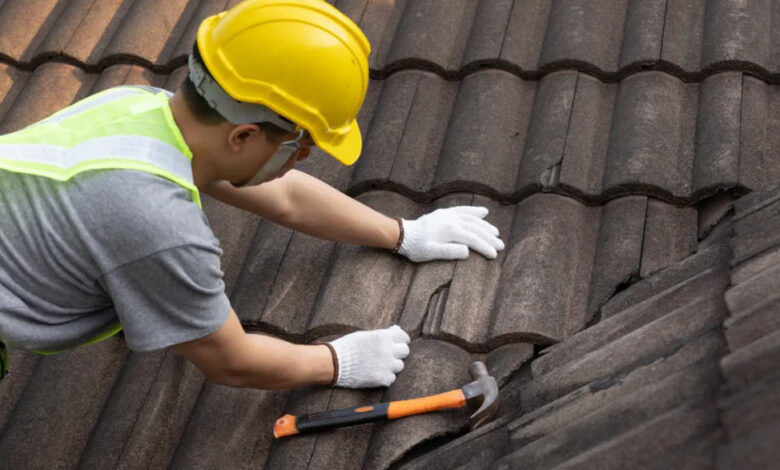
Timely repairs can help limit the scope of a problem. The appropriate repair depends on the type of roofing system and the nature of the damage. A contractor may replace individual shingles, repair flashing, reseal specific areas, address drainage problems, or make other targeted corrections. Repairs should address the source of the problem rather than simply covering the visible symptom.
Property owners should also be cautious about repeated temporary repairs. If the same area continues to develop leaks, it may indicate that a broader roofing problem exists. An inspection can help determine whether isolated repairs remain appropriate or whether more extensive work should be considered.
When Roof Replacement Becomes Necessary
Repair is not always the best long-term solution. Roof replacement may become appropriate when a roofing system has reached the end of its useful life, has widespread damage, or requires frequent repairs. The decision should be based on the overall condition of the roof rather than a single visible defect.
A professional evaluation can help determine whether the existing system still has sufficient service life. Factors such as material condition, moisture intrusion, structural integrity, previous repair history, ventilation, and installation quality can all influence the decision.
Replacing a roof is a significant project, so homeowners should understand what the process involves before construction begins. A complete replacement may involve removing existing roofing materials, inspecting the underlying deck, addressing damaged areas, installing appropriate underlayment and flashing, and applying the new roofing material. The exact process depends on the roof type and project requirements. This Old House
Selecting the Right Roofing Materials
Roofing materials vary in appearance, durability, maintenance requirements, installation methods, and expected service life. Common options include asphalt shingles, metal roofing, tile, slate, membrane systems, and other specialized products. The right material depends on the building design, structural requirements, environmental conditions, budget, and aesthetic preferences.
Homeowners should avoid selecting materials based solely on appearance or initial price. A material that looks attractive may require different maintenance than another option, while a lower initial cost does not necessarily represent the best long-term value. Compatibility with the existing structure and proper installation are equally important.
A professional contractor can explain the differences between available materials and help property owners understand the advantages and limitations of each option. Manufacturer requirements should also be followed carefully because installation details can affect both performance and warranty coverage.
The Importance of Proper Installation
Even high-quality roofing materials can perform poorly when they are installed incorrectly. Proper installation involves much more than attaching the visible roofing covering. It requires attention to the roof deck, underlayment, flashing, ventilation, edges, valleys, penetrations, drainage, and other details.
Flashing is particularly important because it protects areas where the roofing surface meets walls, chimneys, vents, skylights, and other penetrations. Poorly installed or deteriorated flashing can become a pathway for water infiltration.
Ventilation should also be considered as part of the roofing system. Excessive heat and moisture in attic areas can contribute to problems over time, while appropriate ventilation can support the overall performance of the building envelope. A professional roofing assessment should therefore look beyond the surface material and consider how the entire system functions together.
How Maintenance Extends Roof Performance
Roof maintenance is primarily about prevention. It involves identifying small problems, keeping drainage systems functional, monitoring vulnerable areas, and addressing deterioration before it becomes extensive. Maintenance does not guarantee that a roof will never fail, but it can help property owners identify problems earlier and make more informed decisions about repairs and replacement.
Routine maintenance may include inspecting roofing materials, clearing appropriate drainage areas, checking flashing, monitoring roof penetrations, removing problematic debris, and looking for signs of moisture. Gutters and downspouts should also be kept clear enough to allow water to move away from the building.
The U.S. government roof maintenance manual emphasizes periodic inspections and notes that early discovery and correction of minor defects can help prevent major repairs and extend the time before reroofing becomes necessary. GovInfo
Protecting the Roof After Severe Weather
Severe weather can create roofing problems that are not immediately apparent. Strong winds can loosen roofing materials, falling branches can puncture surfaces, and heavy rainfall can expose weaknesses around flashing or drainage systems. After a significant weather event, property owners should look for visible changes from a safe location and arrange a professional inspection when damage is suspected.
It is generally not advisable for an untrained person to climb onto a roof after a storm. Wet surfaces, loose materials, structural damage, and hidden hazards can make roof access dangerous. Instead, property owners can document visible issues from the ground and contact an appropriately qualified roofing professional.
A post-storm inspection can also help establish the extent of damage and determine which repairs should be prioritized. Photographs and written inspection records can be useful for property documentation and insurance-related discussions.
Choosing a Professional Roofing Contractor
Selecting a roofing contractor is an important decision because workmanship can influence the performance and longevity of the finished roof. Property owners should evaluate experience, references, insurance, applicable licensing or credentials, written proposals, warranties, and communication practices before hiring a contractor.
A detailed estimate should explain the scope of work rather than providing only a single total price. It can be useful to understand which materials will be used, what preparation is included, how damaged underlying materials will be handled, and what cleanup responsibilities apply.
Homeowners should also be cautious about contractors who pressure them to make immediate decisions without providing enough information. A reputable professional should be willing to explain the condition of the roof and the reasoning behind recommended repairs or replacement.
A reliable roofing company should approach the project as a complete roofing system rather than simply selling a particular product. This includes understanding drainage, ventilation, flashing, underlayment, structural considerations, and the requirements of the selected roofing material.
Understanding the Difference Between Repair and Replacement
Deciding between repair and replacement can be difficult when the roof has visible problems. Repair may be appropriate when damage is isolated and the remaining roofing system is in good condition. Replacement may make more sense when deterioration is widespread, the roof is near the end of its expected service life, or repeated repairs are no longer providing a practical solution.
The decision should be based on evidence rather than assumptions. A professional inspection can identify the location and extent of damage and evaluate the condition of the surrounding roofing materials.
Property owners should also consider the long-term implications of repeatedly repairing an aging system. A low-cost repair may solve an immediate leak but may not address other areas approaching failure. Conversely, replacing an otherwise healthy roof because of one isolated defect may be unnecessary. A balanced assessment can help identify the most appropriate course of action.
Improving Roof Drainage
Water management is a fundamental part of roof performance. A roof must be able to move rainwater away from vulnerable areas and ultimately away from the building. Blocked gutters, clogged drains, damaged downspouts, and poor drainage design can contribute to water accumulation and increase the potential for leaks.
Flat and low-slope roofs require particular attention to drainage because water may remain on the surface when drains or scuppers become obstructed. Standing water can for sagging, separation, excessive debris, or other problems that prevent water from flowing properly. portions of the building. Poor ventilation can contribute to excessive heat and moisture, while inadequate insulation can place additional stress on roofing materials and should be evaluated when it persists.
Gutters should be monitored for sagging, separation, excessive debris, or other problems that prevent water from flowing properly. Downspouts should also discharge water away from the building in a manner appropriate for the property.
Considering Roof Ventilation and Insulation
Roof performance is connected to conditions within the attic and upper portions of the building. Poor ventilation can contribute to excessive heat and moisture, while inadequate insulation can affect indoor comfort and energy performance.
During a roof assessment, it may be useful to consider whether attic ventilation is functioning as intended and whether signs of condensation or moisture are present. Stains, damp insulation, musty odors, or excessive heat can indicate that additional investigation is warranted.
Ventilation requirements vary according to roof design and building construction, so solutions should be based on the specific structure rather than applying a generic approach. Roofing professionals can help identify whether ventilation improvements are necessary as part of a repair or replacement project.
Building a Long-Term Roofing Maintenance Plan
A maintenance plan provides a structured way to monitor the roof instead of relying on memory or waiting for problems to appear. Property owners can keep records of inspections, repairs, photographs, material information, and previous service. These records can make it easier to identify recurring problems and anticipate future maintenance needs.
Routine inspections can be scheduled at appropriate intervals, with additional inspections following severe weather or significant work performed on the roof. Keeping gutters, drains, and other water-management components clear should also be part of the routine.
For older roofs, maintenance records can become particularly valuable when deciding whether continued repairs are practical. A history of repeated leaks or frequent repairs may indicate that replacement should be evaluated.
Final Thoughts on Professional Roofing Care
A roof is a long-term investment that deserves regular attention. It protects the building from weather and moisture every day, but even durable roofing materials eventually experience wear. Regular inspections, timely repairs, appropriate maintenance, and professional installation can all contribute to reliable roof performance.
Choosing a professional roofing company in Campbell is not simply about finding someone to repair a leak. It is about working with professionals who can evaluate the entire roofing system, identify potential weaknesses, explain available options, and perform the required work correctly. A well-maintained roof can provide dependable protection while helping property owners avoid unnecessary emergency repairs.
Whether a property needs a minor repair, routine inspection, maintenance, or complete replacement, the process should begin with an accurate assessment of the roof’s condition. Professional guidance can help distinguish between issues that require immediate attention and improvements that can be planned over time.
Ultimately, effective roof care is based on prevention and informed decision-making. Small defects should not be ignored, drainage should remain functional, roofing materials should be maintained appropriately, and significant work should be performed by qualified professionals. With a proactive approach, property owners can protect their buildings, manage maintenance costs more effectively, and give their roofing systems the best opportunity to perform reliably for many years.