
Wedding season brings a long list of events: the mehndi, the nikah, the reception, and plenty of family dinners in between. Finding one outfit style that works for all of them is rare. The Moroccan takchita comes close. With its layered shape, rich embroidery and easy, flowing fit, the takchita style kaftan has travelled from Moroccan celebrations to wedding wardrobes around the world. Here is why it deserves a place in yours.
What Is a Moroccan Takchita?
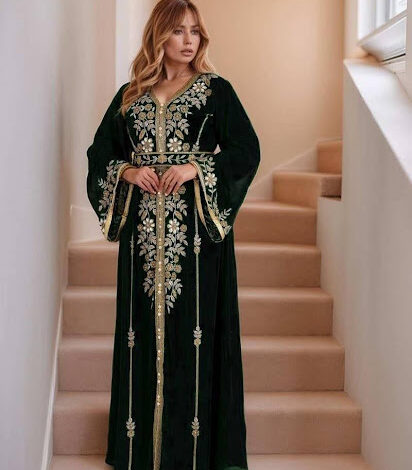
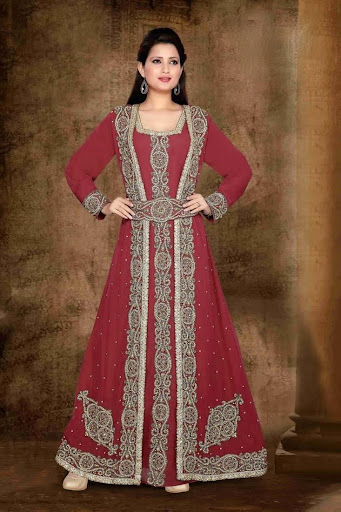
A Moroccan takchita is a two-piece outfit. It has an inner dress, called the tahtiya, and an outer layer, called the dfina, which is often sheer or heavily embellished. A wide belt, known as the mdamma, sits at the waist and brings the whole look together.
Takchitas are close cousins of traditional caftans, which are usually made as a single layer. That second layer is what sets the takchita apart. It adds depth, movement and a sense of occasion. In Morocco, brides often change into several takchitas on their wedding night, each in a different color or regional style. It is a tradition built around celebration, which makes it a natural choice for any wedding event.
One Silhouette, Many Moods
The biggest strength of the takchita is how easily it changes character. Keep the same shape, switch the fabric, color and embroidery, and you have a completely different outfit. A pastel chiffon takchita feels fresh and playful for a daytime event. The same design in deep emerald velvet with gold threadwork feels grand enough for an evening reception. Few outfits adapt this well, and that is exactly why one style can carry you through an entire wedding week.
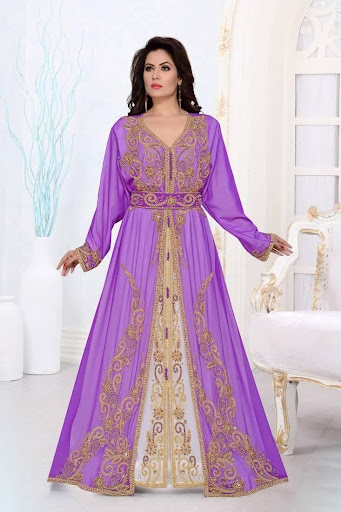
Light and Festive for the Mehndi
Mehndi and pre-wedding functions are all about color, music and fun. For these, choose light kaftan dresses in cotton silk, organza or georgette. Bright shades like mustard, coral, mint and fuchsia work beautifully. Bell sleeves or shorter sleeves keep your hands free for henna, and a simple fabric belt keeps the look relaxed. Best of all, you can sit, dance and eat without worrying about your outfit.
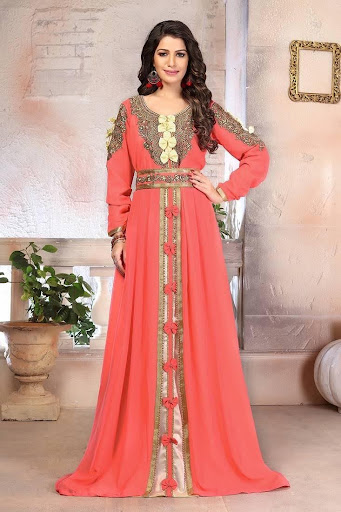
Graceful and Modest for the Nikah
The nikah calls for elegance and modesty, and this is where the Moroccan takchita wedding dress truly shines. Long sleeves, a high neckline and a full-length hem come built into the design. That makes it a favorite among women looking for Islamic dresses that still feel special and celebratory. Soft shades like ivory, gold, champagne and blush suit the occasion well. Pair your takchita with a matching hijab or dupatta for a polished, cohesive look. Brides can go further with detailed hand embroidery, traditional sfifa trims, and a crystal-studded belt.
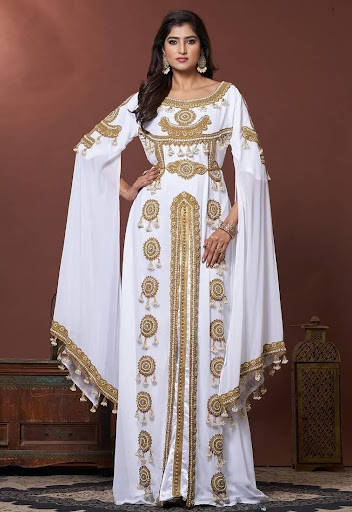
Rich and Glamorous for the Reception
The reception is your chance to go bold. This is the moment for a luxury Moroccan caftan in velvet, brocade, or heavy satin. Jewel tones like sapphire, ruby, emerald, and deep plum look striking under evening lights. Look for embellished outer layers, metallic embroidery, and a statement belt that catches the eye. A well-made wedding kaftan in rich fabric looks just as impressive as any gown, and it is far more comfortable.
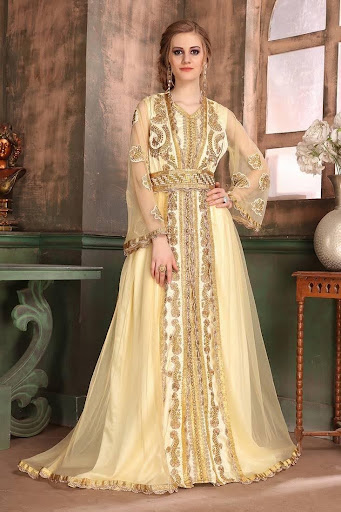
Comfort That Lasts All Day
Wedding days are long, and comfort matters more than most people admit. Unlike tightly fitted lehengas or structured gowns, a takchita flows freely. The belt defines the waist without squeezing it, and the loose layers let you move and breathe. It also flatters every body type. That makes it a wonderful kaftan for women of all ages, from young guests to mothers and grandmothers of the bride. Everyone in the family can wear the style and still look put together.
Final Thoughts
The takchita style kaftan offers something rare: one outfit style that feels right at every wedding function. It is light enough for the mehndi, modest enough for the nikah and glamorous enough for the reception. It is comfortable, flattering, and rooted in a beautiful tradition. Whether you are the bride, a close family member or a guest, a Moroccan takchita is a choice you will be happy with long after the celebrations end.