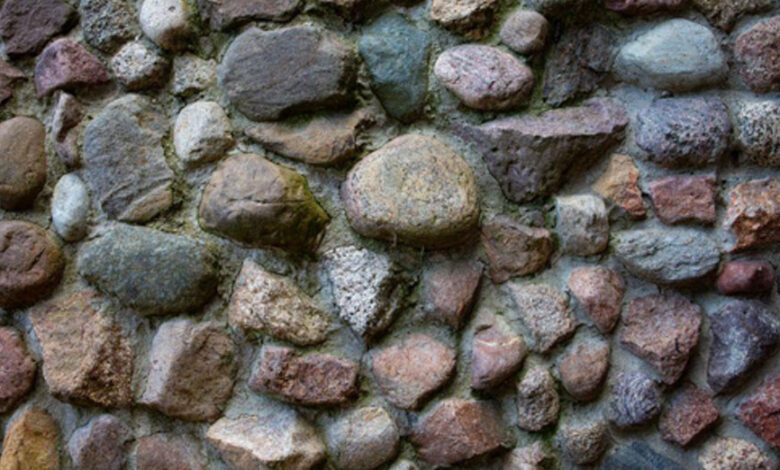

A retaining wall can transform a sloped yard into a more usable, attractive outdoor space. But its success depends on much more than the stone you choose. Drainage, soil conditions, structural support, and installation quality all affect how well the wall performs over time. In Georgetown, TX, understanding the site before construction is especially important. A little planning upfront can help you avoid expensive repairs and build a wall that looks good while doing its job safely.
A Retaining Wall Is a Structural Feature First
Many homeowners begin by choosing a wall style or browsing materials. That is understandable, but the design should start with the purpose of the wall. A retaining wall must resist the sideways pressure of soil, manage water behind its structure, and remain stable as ground conditions change.
When a yard has a noticeable slope, the wall becomes an important structural feature. It may support a patio, protect a garden, preserve usable lawn space, or prevent soil from moving downhill. Those responsibilities require thoughtful planning rather than a quick material selection.
Even a relatively short wall can develop problems if the foundation is poorly prepared or water accumulates behind it. Treating the project as landscaping alone can lead to avoidable settlement, leaning, and cracking.
Choose Materials for Performance and Appearance
Natural stone offers texture and character, but appearance should not be the only consideration. Material dimensions, weight, durability, interlocking design, and compatibility with the planned structure all affect performance.
For a low garden border, several materials may be suitable. A taller wall or one supporting a sloped area requires a more careful assessment. Depending on the site, an engineered stone system or segmental retaining wall units may be appropriate.
The finished wall should also complement the house and surrounding landscape. Consider color, texture, cap design, and the relationship between the wall, driveway, patio, and planting beds. The best result balances visual appeal with structural requirements rather than sacrificing one for the other.
When choosing materials, consider how well the stone will withstand your site’s specific conditions while complementing your landscape. Natural stone for retaining wall stone in Georgetown, TX offers a way to combine lasting durability with timeless outdoor appeal.
Understand the Ground Before Choosing a Design
Every property presents different challenges. Slopes, soil composition, buried utilities, existing structures, and natural runoff patterns can all influence the construction approach. Excavation sometimes reveals conditions that were not obvious during an initial inspection.
Clay-rich soils can expand and contract as moisture levels change. That movement can affect the ground supporting a wall, particularly when drainage is inadequate. Heavy rainfall can also saturate backfill and increase pressure against the structure.
If water already flows toward a foundation, patio, or lower section of the yard, the wall design must account for that movement. A contractor should assess the contributing drainage area, identify where runoff travels, and determine how water can be directed safely away.
Drainage Can Determine Whether the Wall Lasts
Water management is one of the most important parts of retaining wall construction. When water collects behind a wall, it can create additional pressure that contributes to movement, cracking, or failure. Surface stains and leaning may be visible symptoms of a problem that began underground.
A suitable drainage plan may include free-draining aggregate, filter fabric where appropriate, and a perforated drainpipe connected to a safe outlet. The exact arrangement depends on the soil, wall design, and site conditions. Surface runoff should also be considered so gutters and surrounding slopes do not channel excess water behind the structure.
For a useful explanation of planning drainage systems, read the University of Minnesota Extension’s guide to designing a subsurface drainage system. Although its examples focus on agricultural drainage, its discussion of soil, slope, outlets, and installation illustrates why water movement requires a coordinated plan.
Check Height, Loads, and Local Requirements
Not every retaining wall has the same engineering requirements. Height, soil pressure, nearby buildings, driveways, fences, and other loads can affect the design. A wall supporting a driveway or sitting near a foundation may require more careful evaluation than a small decorative garden edge.
Before construction, ask whether the project requires permits, engineered plans, inspections, or additional approvals. Requirements depend on the property’s location and circumstances, so do not rely on a general rule found online.
Future plans matter, too. Adding a fence, outdoor kitchen, pool area, or heavy landscaping near the wall can change the loads it must support. Discuss these possibilities before construction so the design reflects foreseeable needs rather than only the yard’s current layout.
Look Beyond the Visible Workmanship
Two retaining walls may look equally attractive immediately after installation, yet perform very differently over time. The quality of excavation, foundation preparation, compaction, reinforcement, and drainage often determines the difference.
Ask contractors to explain how they will prepare the base, manage backfill, stabilize the structure, and direct water. Request examples of similar projects and clarify what the estimate includes. A proposal focused entirely on stone selection and appearance may leave important construction details unanswered.
After installation, watch for changes such as leaning, widening gaps, uneven caps, cracking, or water collecting in unexpected places. These signs deserve prompt assessment. Avoid assuming that adding cosmetic repairs will solve a problem caused by movement or poor drainage.
Make the Right Decision Before Buying Materials
Start by identifying what the wall needs to accomplish. Are you trying to reduce erosion, create a level lawn, protect a patio, or manage a difficult slope? The answer helps determine the design, materials, and level of professional input required.
The International Association of Certified Home Inspectors’ overview of retaining walls offers additional background on common construction features and warning signs. Use educational resources to prepare questions, but rely on qualified professionals for site-specific engineering and code advice.
Compare estimates carefully. Ask about drainage, reinforcement, excavation, base preparation, warranties, and cleanup. Confirm who is responsible for permits and whether unexpected ground conditions could affect the price.
Build for Long-Term Reliability
A successful retaining wall combines a suitable design, durable materials, sound installation, and effective water management. No single stone type can compensate for inadequate preparation or a poorly planned drainage system.
Take time to understand your property before committing to a design. Ask specific questions, compare complete project scopes, and address future landscaping plans early. The goal is not simply a wall that looks attractive on completion day, but a structure that supports your outdoor space reliably for years.
When you prioritize the underlying construction as much as the finished appearance, you are better positioned to avoid preventable problems and create a landscape that remains practical, stable, and visually cohesive.