
Windows play an important role in the comfort, appearance, energy efficiency, and functionality of a home. Over time, older windows can develop problems such as drafts, damaged frames, difficult operation, condensation, broken seals, or deteriorating glass. Even when the damage is not severe, outdated windows may affect indoor comfort and increase the amount of energy needed to maintain a consistent temperature. Replacing old units can provide an opportunity to improve both performance and appearance while addressing problems that have developed over the years. Window replacement should therefore be approached as a complete improvement project rather than simply removing an old window and installing a new one.
Signs That Your Windows Need Attention
Several signs can indicate that existing windows are no longer performing as they should. Drafts around the frame, difficulty opening or closing the sash, visible damage, foggy glass, and noticeable temperature differences near windows are common warning signs. Condensation between panes can indicate that the insulating seal has failed, reducing the window’s ability to provide effective thermal performance. In some cases, deteriorating frames or damaged hardware can also make windows less secure or difficult to operate. Homeowners may also notice increasing outdoor noise or rising heating and cooling demands. Recognizing these signs early can help determine whether window replacement is worth considering before minor problems develop into more extensive issues.
Understanding Different Window Materials
Window frames are available in several materials, each offering different characteristics in terms of durability, maintenance, appearance, and performance. Vinyl frames are popular because they generally require limited maintenance and are available in various styles and colors. Wood frames provide a traditional appearance and can offer excellent insulating characteristics, although they typically require more maintenance to protect them from moisture and deterioration. Aluminum frames are durable and relatively lightweight but may have different thermal characteristics depending on their construction. Fiberglass frames can provide strength and stability while requiring relatively little maintenance. When planning window replacement, homeowners should compare frame materials according to their budget, design preferences, climate conditions, maintenance expectations, and long-term performance goals.
Choosing the Right Glass
The glass used in a window has a major influence on comfort and energy performance. Modern windows may include double or triple glazing, with multiple panes separated by insulating spaces. Low-emissivity coatings can help control the movement of heat through the glass, while appropriate glazing choices can also reduce unwanted solar heat gain. Some windows are designed with specialized glass for improved noise reduction, privacy, or safety. The best option depends on the home’s design, exposure to sunlight, and performance requirements. During window replacement, it is useful to consider the glass specification separately from the frame because both components contribute significantly to the overall performance of the finished installation.
Improving Energy Efficiency
Energy efficiency is one of the main reasons homeowners consider replacing older windows. Aging windows may have worn seals, single-pane glass, poorly insulated frames, or gaps around the installation area that allow conditioned air to escape. Modern designs can provide improved insulation and tighter weather protection when properly selected and installed. However, the window itself is only one part of the overall system because installation quality also affects performance. Proper measurements, sealing, insulation, and flashing can help reduce unwanted air movement around the frame. A well-planned window replacement project can therefore contribute to more consistent indoor temperatures and may reduce the amount of energy required for heating and cooling.
Considering Window Style and Operation
Window style affects both appearance and functionality, so it should be considered carefully before purchasing new units. Double-hung windows allow the upper and lower sections to move, while casement windows open outward using a crank mechanism. Sliding windows move horizontally and can be useful where an outward-opening sash is not practical. Awning windows open from the bottom and may provide ventilation while offering some protection from light rain. Picture windows are designed primarily for views and natural light and generally do not open. During window replacement, the selected style should complement the building’s design while also meeting ventilation, cleaning, accessibility, and space requirements.
Accurate Measurements Matter
Accurate measurements are essential because a replacement window must fit the existing opening correctly. Measurements should account for the width, height, depth, and condition of the opening, and several measurements may be necessary to identify variations within the structure. An incorrectly measured window can create installation difficulties, gaps, uneven placement, or unnecessary modifications. The condition of the surrounding framing should also be inspected before ordering the new unit because hidden deterioration may affect the installation. Professional installers often use detailed measurement procedures to reduce the risk of ordering an unsuitable product. Careful planning before window replacement can save time, reduce material waste, and help ensure that the final installation fits securely.
Preparing the Existing Opening
Removing an old window can reveal conditions that were not visible beforehand. Damaged framing, moisture intrusion, deteriorated insulation, or previous installation problems may need to be addressed before the new unit is installed. The opening should be cleaned and prepared so that the replacement window can sit level, plumb, and square. Proper flashing and weather-resistant sealing are also important for helping protect the surrounding structure from moisture. Any damaged components should be repaired before the new window is permanently installed. Thorough preparation helps create a stronger foundation for window replacement and can reduce the likelihood of drafts, leaks, movement, or premature deterioration after installation.
Importance of Professional Installation
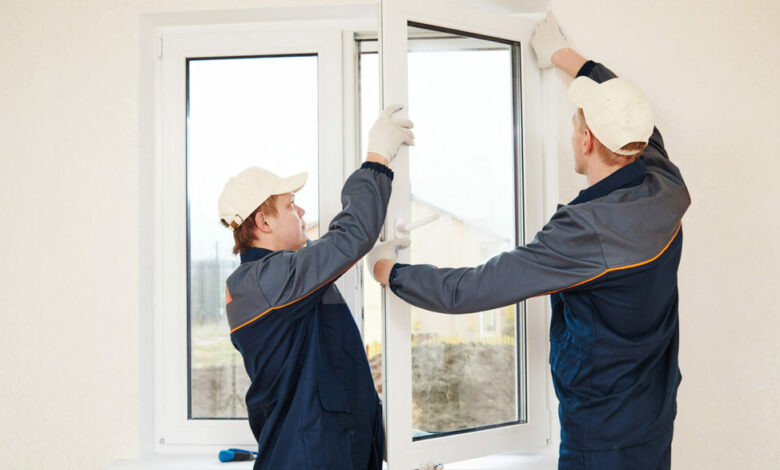
The quality of installation can have a significant impact on the performance of a new window. Even a high-quality product may not perform as expected if it is installed incorrectly. The frame must be positioned accurately, fastened appropriately, and sealed around the opening to help prevent air and water infiltration. Insulation should be installed without creating excessive pressure that could distort the frame or interfere with operation. The window should also be checked to ensure that it opens, closes, and locks properly after installation. Professional window replacement can be particularly useful when openings are unusual, framing has deteriorated, or the project involves multiple windows requiring consistent installation techniques.
Managing Moisture and Air Leaks
Moisture and air infiltration are common concerns around poorly installed or aging windows. Water can enter through damaged seals, deteriorated flashing, gaps, or defective exterior finishes, potentially affecting the surrounding wall structure. Air leaks can make rooms feel uncomfortable and may increase heating or cooling demands. During installation, the perimeter of the window should be sealed using appropriate materials designed for the specific application. Exterior drainage paths should also remain functional so that water can move away from vulnerable areas. Proper moisture management is an important part of window replacement because protecting the opening and surrounding structure can help extend the service life of the new installation.
Balancing Cost and Long-Term Value
The cost of new windows can vary considerably depending on the material, size, style, glass specification, hardware, installation requirements, and number of units involved. While it may be tempting to focus only on the initial purchase price, long-term maintenance and performance should also be considered. A lower-cost option may have different durability or efficiency characteristics compared with a more advanced product. On the other hand, the most expensive option is not automatically the right choice for every property. Homeowners should compare specifications, warranties, expected maintenance, installation requirements, and overall performance. A carefully planned window replacement project should balance immediate affordability with the long-term needs of the building.
Improving Indoor Comfort
Windows have a direct relationship with indoor comfort because they form part of the building envelope separating interior spaces from outdoor conditions. Poorly insulated or poorly sealed windows can create cold or hot areas near the glass and frame, particularly during extreme weather. Newer designs with improved glazing and frame construction can reduce temperature differences and help maintain a more consistent indoor environment. Better sealing can also reduce drafts and unwanted air movement. In addition, certain glass configurations can help control sunlight and reduce glare in rooms with strong exposure. Window replacement can therefore contribute to a more comfortable interior when the products and installation methods are selected appropriately.
Maintenance After Installation
New windows still require routine care even when they are designed for low maintenance. Frames should be cleaned according to the manufacturer’s recommendations, while moving components should be inspected periodically for dirt, wear, or damage. Tracks and drainage openings should remain clear so that water can move away from the window properly. Weather seals should also be checked for signs of deterioration, especially around frequently used openings. Hardware such as locks, handles, and hinges should operate smoothly without excessive force. Regular maintenance can help preserve the appearance and functionality of the windows and may extend their useful service life. Proper care after window replacement is an important part of protecting the investment made in the project.
Understanding Warranties
A window warranty can provide useful protection, but homeowners should understand exactly what it covers before purchasing a product. Warranties may address different components, including glass, frame materials, hardware, finishes, or installation. Some warranties have different coverage periods for different parts of the window, and certain conditions may need to be met for coverage to remain valid. Installation performed by an unauthorized party may affect some manufacturer warranties, depending on the product terms. It is important to keep receipts, product information, and installation records in a safe place. Reviewing warranty details before beginning window replacement can help homeowners understand their responsibilities and available protections.
Final Thoughts
Replacing aging windows is an important home improvement decision that involves more than selecting a new frame and glass package. Homeowners should consider the condition of the existing openings, frame materials, glazing options, energy performance, operating style, maintenance requirements, installation quality, and long-term value. Accurate measurements and proper preparation are essential because even a high-quality window can perform poorly when installed incorrectly. Attention should also be given to moisture management, air sealing, hardware operation, and routine maintenance after installation. When all of these factors are considered together, window replacement can improve comfort, appearance, functionality, and overall performance. A thoughtful approach allows homeowners to select products that suit their needs while creating durable and attractive results that can serve the property for many years.