A Complete Guide to Planning, Choosing, and Managing a Water Heater Upgrade

Hot water is an important part of everyday life, supporting bathing, cleaning, cooking, laundry, and many other household activities. Because a water heater works regularly to provide hot water, its condition can have a noticeable effect on comfort, energy use, and household routines. Over time, equipment can become less efficient, develop leaks, produce inconsistent temperatures, or require increasingly frequent repairs. When these issues become significant, homeowners may begin considering water heater replacement as a practical way to improve reliability. Understanding the available systems, installation requirements, maintenance considerations, and signs of equipment failure can make the process easier and more organized.
Understanding How Water Heaters Work
Water heaters are designed to heat and store water or provide hot water as it is needed, depending on the type of system installed. Traditional storage tank models use a tank to hold heated water, while tankless systems heat water as it passes through the unit. Heat pump models use a different process that transfers heat into the water and can provide an alternative approach to energy use. Each system has different installation requirements, operating characteristics, maintenance needs, and capacity considerations. Before choosing a new unit, homeowners should understand how their existing system works and what features are most important for their household.
Recognizing Signs of an Aging Water Heater
Water heaters often provide warning signs before they stop working completely. Unusual noises, inconsistent water temperature, discolored water, visible corrosion, frequent shutdowns, or moisture around the tank can indicate that the equipment needs professional attention. In some cases, repairs may resolve the problem, while older or extensively damaged equipment may be more suitable for replacement. Water heater replacement can become especially important when an aging unit develops repeated problems or no longer meets household hot-water demands. Paying attention to early warning signs can help homeowners plan ahead rather than dealing with an unexpected loss of hot water.
Evaluating Household Hot-Water Needs
Choosing a new water heater should begin with an understanding of how much hot water the household actually uses. A small household with moderate demand may have different requirements from a larger household where several people regularly shower, wash dishes, and do laundry at the same time. Water heater replacement planning should account for peak usage periods, available installation space, energy preferences, and expected future needs. Selecting a unit that is too small may result in frequent shortages, while an unnecessarily large system may increase purchase and operating costs. A professional assessment can help match the system’s capacity to actual household requirements.
Comparing Different Water Heater Types
There are several water heater technologies available, and each has its own benefits and limitations. Conventional storage tanks are familiar and can provide a ready supply of hot water, while tankless systems are designed to heat water on demand. Heat pump water heaters can offer a different approach to energy efficiency by transferring heat rather than generating it directly in the same way as conventional systems. Solar-assisted systems may also be considered where appropriate conditions and infrastructure exist. The right choice depends on household demand, available space, installation requirements, budget, and long-term operating preferences.
Considering Energy Efficiency
Energy use is an important factor when selecting a new water heating system. Older equipment may lose efficiency over time because of age, sediment accumulation, component deterioration, or outdated technology. A newer unit may offer improved performance depending on its design and efficiency rating. During water heater replacement, homeowners should compare the expected energy characteristics of available models rather than focusing only on the purchase price. Installation quality and household usage patterns also influence overall energy consumption. Proper insulation, suitable temperature settings, and regular maintenance can further support efficient operation after installation.
Planning the Installation
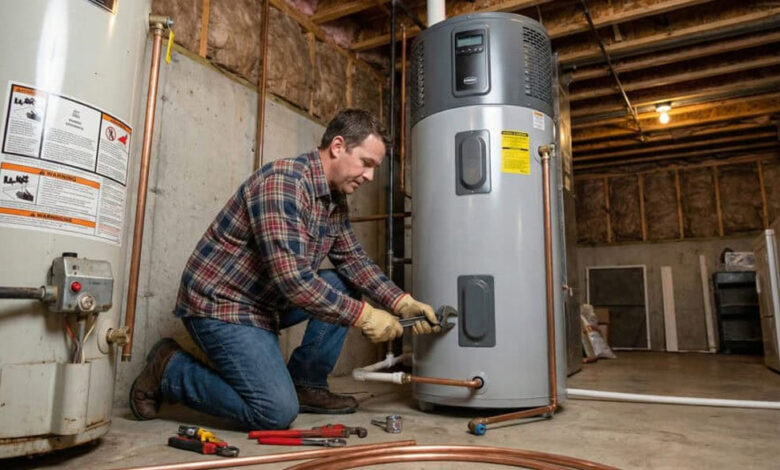
Installing a new water heater requires more than disconnecting an old unit and connecting a new one. The installation may involve water connections, electrical or fuel connections, drainage, ventilation, safety devices, mounting requirements, and other components depending on the system. Water heater replacement should therefore be planned carefully so that the selected equipment is compatible with the available installation space and utility connections. A professional should evaluate the existing setup before the project begins. Proper planning can reduce delays, prevent compatibility issues, and help ensure that the completed system operates safely and effectively.
Checking Available Space
The physical size and configuration of a water heater can influence which models are suitable for a property. Traditional storage tanks can require significant vertical or floor space, while tankless systems may have different mounting requirements. During water heater replacement, homeowners should measure the existing installation area and consider access for future servicing. The location should also provide sufficient clearance and appropriate connections according to the selected system. A professional can help determine whether the existing space can accommodate the new equipment or whether modifications are necessary. Planning for service access is important because every water heater will eventually require inspection or maintenance.
Understanding Water Quality and Sediment
Water quality can affect the performance and lifespan of water heating equipment. Minerals and sediment may accumulate inside storage tanks over time, reducing efficiency and potentially contributing to unusual noises or component problems. Hard water can also affect heating elements, valves, pipes, and other components. Water heater replacement provides an opportunity to consider whether water treatment or additional protection may be beneficial. A professional can evaluate the existing system and discuss appropriate maintenance strategies. Addressing water-quality concerns can help protect new equipment and reduce the possibility of premature deterioration.
Importance of Professional Installation
Correct installation is essential for safe and reliable water heater operation. A water heater may involve electricity, gas, combustion, pressurized water, or high temperatures, depending on the system. Improper connections can create safety hazards or cause equipment damage. Water heater replacement should therefore be performed according to the manufacturer’s installation requirements and applicable building and safety standards. Professional installation can also help ensure that safety controls, pressure protection, drainage, and other components are properly configured. Homeowners should avoid treating the installation as a simple do-it-yourself task when specialized connections or safety requirements are involved.
Preparing for the Replacement Process
Before installation begins, homeowners can prepare the area by clearing access around the existing equipment. Stored items, furniture, cleaning supplies, or other belongings may need to be moved so that the installation team can work safely. During water heater replacement, the old unit will typically need to be disconnected, drained where applicable, removed, and replaced with the new system. The exact process depends on the equipment type and installation conditions. Homeowners should discuss expected service interruptions before work begins. Understanding the schedule and preparation requirements can make the transition from the old system to the new one more convenient.
Managing Safety Features
Water heaters include safety components designed to reduce risks associated with temperature, pressure, electricity, fuel, or combustion. These features should be inspected and correctly configured during installation. Water heater replacement should include attention to appropriate pressure relief, drainage, electrical protection, fuel connections, and ventilation where required by the selected equipment. Safety components should never be removed or bypassed simply to make installation easier. Professional installation helps ensure that the equipment is configured according to manufacturer instructions and applicable requirements. Homeowners should also understand basic safety information so they know what unusual conditions may require professional attention.
Maintaining the New System
A new water heater still requires routine care to maintain reliable performance. Maintenance requirements vary depending on the type of equipment, but may include inspection, flushing, checking connections, cleaning components, monitoring temperature settings, or servicing specific parts. Water heater replacement can provide improved reliability, but maintenance remains important for protecting the investment. Homeowners should follow the manufacturer’s maintenance recommendations and arrange professional service when specialized inspection is required. Regular attention can help identify developing problems before they lead to equipment failure. Keeping service records can also make it easier to track maintenance and identify recurring issues.
Addressing Leaks and Moisture Problems
Water around a heater should always be taken seriously because it may indicate a leaking connection, valve, tank, pipe, or other component. A small amount of moisture can sometimes result from condensation or a connection issue, while persistent leaking may indicate more serious equipment deterioration. During water heater replacement, the surrounding plumbing should also be evaluated so that old or damaged connections do not compromise the new installation. Homeowners should avoid ignoring recurring moisture or attempting complicated repairs without appropriate knowledge. Prompt professional inspection can help determine the source of the water and prevent further property damage.
Considering Long-Term Operating Costs
The initial purchase price of a water heater is only one part of the total cost of ownership. Homeowners should also consider energy consumption, maintenance, repairs, expected service life, installation requirements, and replacement parts. Water heater replacement may involve a higher initial investment for some technologies, but operating characteristics can differ significantly between models. A complete cost comparison should therefore consider both immediate and long-term expenses. Choosing equipment based on household needs and expected usage can help prevent unnecessary capacity or features. A balanced approach can make the investment more practical over the life of the system.
Knowing When Replacement Is More Practical
Repeated repairs can sometimes indicate that an aging water heater is approaching the end of its useful service life. Frequent breakdowns, significant corrosion, persistent leaks, poor performance, or inadequate hot-water capacity may make continued repairs less practical. Water heater replacement can provide an opportunity to install a system that better matches current household needs and modern efficiency expectations. However, replacement decisions should be based on the condition of the equipment, repair costs, expected remaining service life, and available alternatives. A professional evaluation can help homeowners understand whether repair or replacement is more appropriate.
Final Thoughts
A water heater plays an important role in everyday comfort, making reliable hot-water supply essential for many households. When equipment becomes old, inefficient, unreliable, or damaged, careful planning can help homeowners choose an appropriate solution. Water heater replacement should consider household demand, system type, available space, energy use, installation requirements, safety features, water quality, and long-term maintenance. Professional assessment and installation can reduce compatibility and safety concerns while helping the new system perform as intended. With the right equipment, proper installation, and consistent maintenance, homeowners can enjoy dependable hot-water service while protecting their investment for years to come.