
That tight, papery feeling after washing your face on a cold morning is something a lot of people know well. Dry, flaky, or uncomfortable skin tends to get worse during winter or whenever harsh environmental conditions strip the skin of its natural defenses.
Getting things back on track takes more than slapping on a heavier lotion once in a while. It requires the right combination of products, daily habits, and occasionally some professional support, all working together consistently.
Understanding the Difference Between Dry and Dehydrated Skin
These two conditions are often confused, but they have distinct causes. Dry skin is generally linked to a lack of natural oils in the outer skin layer, while dehydrated skin is missing water. Both can produce tightness, flaking, a rough texture, and a dull, tired appearance, which is why people sometimes treat the wrong problem entirely.
Research has shown that the prevalence of dry skin increases with age, reaching almost 30% in working adults and averaging around 60% in the elderly. Even people with naturally oily skin can experience dehydration. Understanding what your skin actually needs matters more than following a generic routine.
Several everyday factors contribute to both conditions:
- Cold weather and low indoor humidity
- Hot showers and harsh cleansers that strip natural oils
- Excessive use of exfoliating acids or physical scrubs
- Air conditioning and indoor heating systems
- Age-related changes that slow oil production
Build a Gentle Daily Skincare Routine
A structured morning and evening routine does not need to be complicated. Consistency matters far more than using a large number of products.
Morning Skincare
Start with a gentle, non-stripping cleanser, or just rinse with lukewarm water if your skin is not prone to excess oil. Follow with a hydrating serum containing ingredients like hyaluronic acid or glycerin, applied while the skin is still slightly damp. Lock that in with a moisturizer formulated to support the skin barrier. Finish with a broad-spectrum SPF 30 or higher, which protects against UV exposure that can worsen dullness and compromise the barrier over time.
Evening Skincare
Remove makeup, sunscreen, and daily buildup with a gentle cleanser. Apply your hydrating serum again, then reach for a slightly richer moisturizer than the one you use in the morning. Overnight is when the skin does most of its repair work, so giving it extra support at this stage makes a real difference.
Resist the urge to layer on multiple actives or swap in new products every few weeks. A simpler, stable routine almost always outperforms a complicated one.
Choose Ingredients That Help Restore Skin Hydration
The ingredients in your products determine how much actual benefit they deliver. For dry and dehydrated skin, a few categories are worth prioritizing:
- Hyaluronic acid: A humectant that draws water toward the surface of the skin.
- Glycerin: Another humectant that pulls moisture into the outer layers.
- Ceramides: Lipids that reinforce the skin’s protective barrier. One trial found that applying ceramide to the legs of subjects with dry skin produced a significant increase in water content, with a 30.6% rise in just three days and up to 38% within four weeks.
- Squalane: A lightweight oil that softens the skin and cuts moisture loss without feeling heavy.
- Shea butter: An emollient that helps smooth rough, dry patches and adds a layer of protection.
Using humectants alongside barrier-supporting ingredients gives more complete results than relying on any single one. A serum with hyaluronic acid followed by a ceramide-rich moisturizer, for example, tackles both water retention and barrier repair at the same time.
Professional Treatments That Give Dry Skin Extra Care
A home routine handles daily maintenance well, but persistent dryness, rough texture, or a lasting lack of radiance sometimes calls for professional input. A qualified skincare professional can assess individual concerns and tailor a plan accordingly.
Hydrafacials
These treatments are designed to replenish moisture and improve the overall look of the skin. They typically combine gentle cleansing, hydrating serums, masks, and moisturizers in a single session, making them a practical option for people who want more intensive results without significant downtime.
Facial Treatments
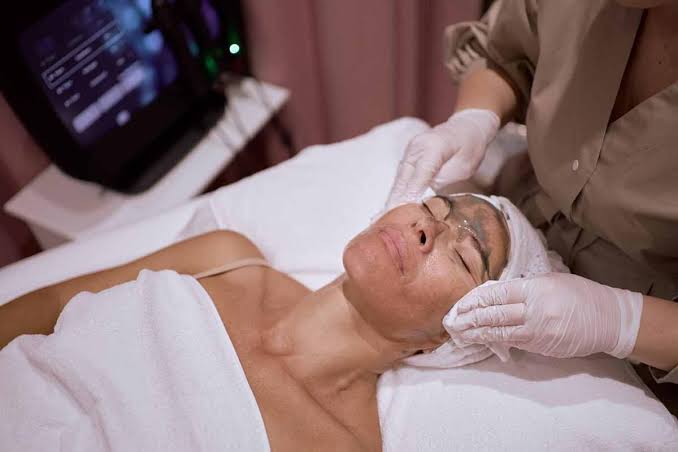
A skilled professional can adapt every step of a treatment to suit your skin’s specific condition, whether that involves sensitivity, dehydration, or uneven texture. For people who find that standard at-home routines do not fully address their concerns, customized facials for dry skin offer a more targeted approach where product selection and technique are guided by direct assessment.
Gentle Enzyme Treatments
Mild enzyme-based exfoliation can help clear accumulated dead cells and improve texture without the irritation that stronger acids sometimes cause. Worth choosing carefully, particularly for sensitive or reactive skin.
LED Light Therapy
Some professional programs incorporate LED devices as part of a broader treatment plan. The specific light used and its purpose depend entirely on individual skin concerns, so this is something to discuss with a professional rather than selecting independently.
Professional treatments work best as a complement to a solid home routine, not a replacement for one. Anyone with sensitive or irritated skin should get professional advice before pursuing any exfoliating procedure.
Everyday Habits That Help Prevent Moisture Loss
Small adjustments to daily behavior can have a noticeable effect on how the skin feels and looks over time:
- Avoid very hot showers and limit prolonged exposure to hot water
- Apply moisturizer shortly after bathing, while the skin is still slightly damp
- Use a humidifier when indoor heating makes the air particularly dry
- Drink enough water throughout the day to support normal body function
- Protect exposed skin from cold temperatures and wind when going outside
- Avoid switching products frequently or introducing several active ingredients at once
None of these changes requires a major overhaul. Together, they make daily skincare noticeably more comfortable.
Common Skincare Mistakes That Can Make Dryness Worse
Some of the most common habits actively work against skin hydration. Washing the face too frequently removes the natural oils that help retain moisture. Using cleansers that leave the skin feeling tight is a clear sign the formula is too harsh. And overusing exfoliating acids or physical scrubs, even with good intentions, can damage the barrier rather than improve it.
Skipping moisturizer because the skin does not feel particularly dry at that moment is another frequent mistake. Applying too many products without considering how their ingredients interact can cause irritation or cancel out each other’s benefits. Forgetting sunscreen during routine daily activities, including driving or working near windows, allows UV exposure to compound existing dryness.
A gentler approach is almost always more appropriate for dry or dehydrated skin than an aggressive one.
The Takeaway
Restoring comfort to dry skin involves more than applying moisturizer when things get bad. Gentle cleansing, well-chosen hydrating ingredients, daily sun protection, and steady habits all contribute to lasting improvement.
When standard routines fall short, professional options like customized facials can provide the additional care that home products cannot replicate. Consistency and thoughtful product selection, rather than frequent changes or an ever-growing shelf of products, are what keep the skin comfortable and healthy-looking over time.