Choosing the Right Roof Replacement Solutions for Reliable and Long-Lasting Protection

A roof is one of the most important protective components of any building because it shields the interior from rain, wind, sunlight, moisture, temperature changes, and other environmental conditions. Over time, roofing materials can become worn, damaged, or weakened due to age, severe weather, poor ventilation, improper installation, or insufficient maintenance. When a roofing system can no longer provide dependable protection through ordinary repairs, roof replacement may become a practical solution. Replacing a roof is a significant investment that requires careful planning, suitable materials, professional workmanship, and attention to details such as drainage, ventilation, flashing, and structural support. Understanding the replacement process can help property owners recognize warning signs, compare available options, prepare for installation, and protect their investment for many years.
Understanding the Need for a New Roof
Roofing systems do not usually fail overnight. Instead, deterioration often develops gradually as materials are exposed to weather and repeated temperature changes. Damaged shingles, cracked surfaces, loose flashing, exposed underlayment, water stains, sagging sections, and repeated leaks can indicate that a roof is approaching the end of its useful life. Roof replacement should be considered when the overall condition of the roofing system has deteriorated to the point where repeated repairs are no longer providing reliable protection. A professional inspection can help determine whether isolated repairs are sufficient or whether a complete replacement would be more appropriate. Understanding the actual condition of the roof before making a decision can help property owners avoid unnecessary expenses while also preventing serious damage caused by delaying essential work.
Signs of Roof Deterioration
Several visible and hidden signs can indicate that a roofing system needs professional attention. Missing, cracked, curling, or damaged roofing materials can allow water to reach underlying layers. Interior water stains on ceilings and walls may also indicate moisture intrusion, although the visible stain may not be located directly below the actual source of the leak. Roof replacement may become necessary when leaks occur repeatedly, materials have widespread deterioration, or structural components have been affected by long-term moisture exposure. Other warning signs can include damaged flashing, excessive granule loss, visible sagging, deteriorated edges, moss or organic growth, and aging materials. A professional evaluation is useful because some problems can be repaired while others may indicate that the entire roofing system has reached the end of its practical service life.
The Importance of a Professional Inspection
A detailed inspection is one of the most important steps before beginning a major roofing project. A qualified roofing professional can examine the visible surface, flashing, drainage system, ventilation, underlayment, roof deck, penetrations, and other components that contribute to overall performance. Roof replacement decisions should be based on the condition of the entire roofing system rather than one isolated defect. An inspection can reveal hidden moisture damage, weakened decking, inadequate ventilation, or installation issues that may not be obvious from the ground. It also gives the property owner an opportunity to understand the expected scope of work and potential complications before construction begins. A detailed assessment can make planning easier and reduce the likelihood of unexpected problems during installation.
Selecting the Right Roofing Materials
Roofing materials come in a wide range of styles, designs, durability levels, and price points. Asphalt shingles are widely used because they are available in numerous styles and can provide a practical balance between cost and performance. Metal roofing can offer durability and resistance to certain environmental conditions, while tile and slate may provide distinctive appearances and long service lives. Roof replacement should involve choosing materials that are compatible with the building’s structure, roof design, expected weather exposure, maintenance preferences, and budget. Property owners should consider the expected service life, warranty terms, maintenance requirements, installation specifications, and overall performance of each material. Focusing only on the initial price may overlook long-term costs and benefits, so material selection should be approached as a long-term investment decision.
Preparing for the Roofing Project
Good preparation can help make a roofing project more organized and reduce unnecessary disruption. Before work begins, property owners may need to protect fragile belongings, move items away from exterior walls, secure outdoor furniture, and prepare for construction noise. Roofing projects can involve the removal of old materials, delivery of new products, installation equipment, worker access, and cleanup activities. Roof replacement should be discussed in detail with the contractor before the start date so that everyone understands the expected schedule, work areas, material deliveries, safety procedures, and cleanup responsibilities. It is also important to discuss how unexpected issues will be handled if damaged decking, moisture problems, or other structural concerns are discovered after the old roofing materials are removed. Clear communication at the beginning can help prevent confusion later in the project.
Removing the Existing Roofing System
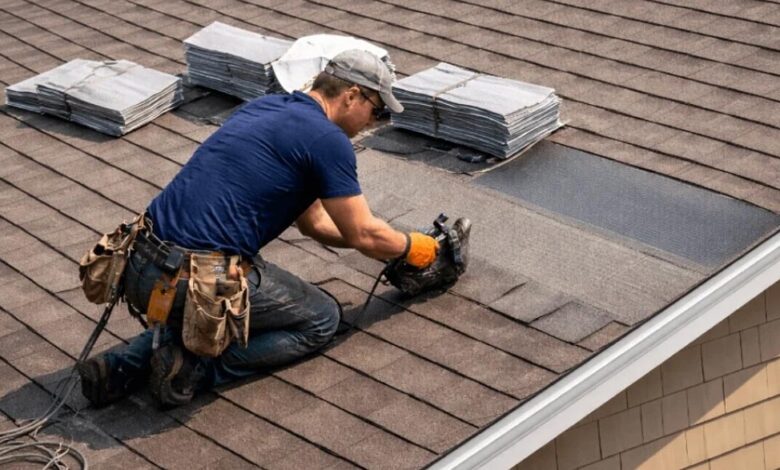
The installation of a new roofing system often begins with the careful removal of existing materials. Depending on the condition and construction of the roof, this may involve removing shingles, underlayment, flashing, edge components, and other materials that are no longer suitable for continued use. Roof replacement creates an opportunity to inspect the underlying roof deck after the old materials have been removed. If the deck has been weakened by water damage, rot, or long-term deterioration, damaged sections may need to be repaired or replaced before the new roofing system is installed. Installing new materials over an unstable or damaged surface can create problems in the future, so the condition of the underlying structure should be evaluated carefully. Proper removal and disposal also help create a clean and suitable surface for the new installation.
Installing the Underlayment
The underlayment is an important layer within many roofing systems because it provides additional protection beneath the exterior roofing material. It can help reduce moisture penetration and protect the roof deck if water moves beneath the primary roofing surface. Roof replacement should include appropriate underlayment selection and installation based on the roofing material, building design, manufacturer’s requirements, and applicable standards. Improperly installed underlayment can develop wrinkles, gaps, exposed sections, or other problems that reduce its effectiveness. Professional installation helps ensure that seams, overlaps, edges, and transitions are handled correctly. The underlayment should work together with the outer roofing material, flashing, ventilation, and drainage components to create a complete protective system.
Flashing and Water Protection
Flashing is designed to protect vulnerable areas where different surfaces meet or where roofing materials are interrupted by features such as chimneys, vents, skylights, walls, and valleys. These areas can be especially susceptible to water intrusion because water may collect or change direction around the transition. Roof replacement provides an opportunity to inspect existing flashing and replace components that are damaged, corroded, improperly installed, or no longer compatible with the new roofing system. Proper flashing helps direct water away from vulnerable joints and toward the roof’s drainage pathways. Sealants can sometimes provide additional protection, but they should not be considered a replacement for correctly designed and installed flashing. Attention to these details can significantly influence the long-term performance of the roofing system.
Evaluating Roof Ventilation
Ventilation plays an important role in managing heat and moisture within attic and roof spaces. Poor ventilation can contribute to condensation, excessive heat buildup, moisture-related deterioration, and other problems that may affect the roofing system and building structure. Roof replacement is an appropriate time to evaluate existing ventilation and determine whether improvements are needed. A properly designed ventilation system generally requires suitable intake and exhaust pathways that work together to promote appropriate airflow. The exact requirements depend on factors such as roof design, attic configuration, insulation, building construction, and applicable standards. A roofing professional can evaluate these conditions and recommend appropriate improvements when necessary. Addressing ventilation during a roofing project can help support the performance and longevity of the new system.
Managing Roof Drainage
Effective drainage is essential because water that remains on or around a roof can increase the risk of leaks, material deterioration, and structural damage. Gutters, downspouts, valleys, slopes, and roof edges work together to move water away from the structure. Roof replacement provides an opportunity to inspect these components and identify drainage problems that may have contributed to previous leaks or moisture damage. Blocked gutters, damaged downspouts, inadequate slopes, and poorly designed drainage pathways can create problems even when new roofing materials are installed correctly. Property owners should discuss drainage with the roofing contractor as part of the overall project. After installation, keeping gutters and drainage pathways clear can help maintain proper water flow and protect the roofing system from avoidable moisture-related problems.
Choosing a Qualified Roofing Contractor
Selecting the right contractor is an important part of any major roofing project. Property owners should consider experience, qualifications, insurance, references, warranties, written estimates, material specifications, installation methods, and communication practices. Roof replacement represents a substantial investment, so comparing contractors based only on the lowest price may not provide a complete picture of the value being offered. A detailed estimate should explain the scope of work, materials, removal and disposal, labor, cleanup, warranty information, and procedures for unexpected issues. Property owners should also ask whether the installation must follow specific manufacturer requirements to maintain product warranties. Clear documentation and professional communication can help establish realistic expectations and provide greater confidence throughout the project.
Maintaining the New Roof
A new roof requires regular care even when high-quality materials and professional installation are used. After roof replacement, property owners should periodically check for visible damage, debris accumulation, blocked gutters, damaged flashing, or other conditions that could affect performance. Nearby vegetation should be managed to reduce falling branches, leaves, and organic debris that may collect on the roof. Gutters should remain clear so water can move efficiently away from the structure. Professional inspections may also be useful after severe weather or at appropriate maintenance intervals. Addressing minor issues early can help prevent them from developing into larger and more expensive problems. Regular maintenance is therefore an important part of protecting the investment made in a new roofing system.
Long-Term Benefits of a New Roofing System
A properly installed roofing system can provide benefits that extend beyond improved appearance. A new roof can provide more dependable protection from weather, reduce the likelihood of recurring leaks, and provide an opportunity to correct problems with flashing, ventilation, drainage, and structural components. Roof replacement can also improve the overall condition and functionality of a building when an old roofing system has become unreliable. Depending on the selected material, a new roof may offer improved durability, energy performance, weather resistance, or maintenance characteristics. Property owners should evaluate these potential benefits alongside installation costs and expected service life. A well-planned roofing project can provide reliable protection while reducing the need for frequent emergency repairs.
Conclusion
A reliable roof is essential for protecting a building from moisture, weather exposure, and structural deterioration. Roof replacement can become necessary when an existing roofing system has reached the end of its useful life, experienced widespread damage, or can no longer provide dependable protection through repairs. The process involves careful inspection, material selection, removal of old components, roof deck evaluation, underlayment installation, flashing, ventilation, drainage, and professional workmanship. Selecting appropriate materials and a qualified contractor can help improve the performance and longevity of the finished system. Regular inspections and maintenance after installation can further protect the investment and help identify small problems before they become major concerns. With careful planning, quality materials, and professional installation, a new roof can provide dependable and long-lasting protection for a property.