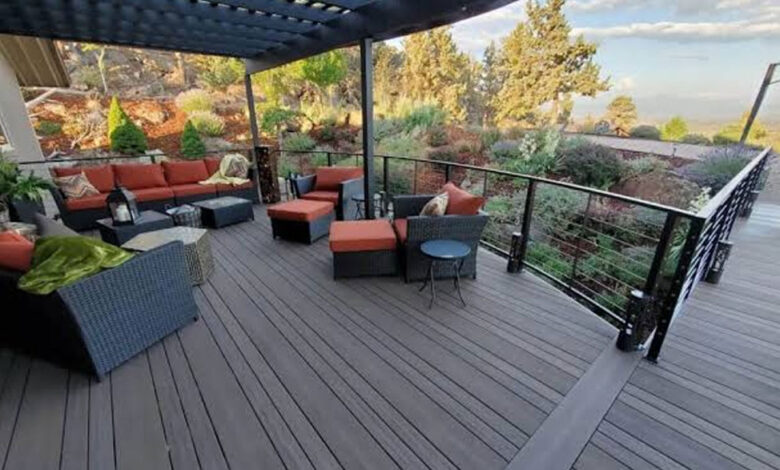

A well-designed outdoor deck can transform an ordinary outdoor area into a comfortable and functional extension of your home. It can provide a dedicated place for relaxing, entertaining guests, enjoying meals, or spending quiet time with family. However, creating a deck that looks attractive and performs well requires more than choosing a few boards and deciding where they should be installed. The planning process involves design, structural considerations, material selection, drainage, safety, maintenance, and long-term durability. Working with an experienced deck builder can make these decisions easier because a qualified professional understands how different elements of a deck project need to work together from the beginning.
Understanding Your Decking Needs
Before construction begins, it is important to determine exactly how you want to use the outdoor space. A deck intended for occasional seating may have very different requirements from one designed for large gatherings, outdoor dining, grilling, or multiple recreational activities. Think about how many people will normally use the space and whether you need room for furniture, planters, lighting, or storage. You should also consider how the deck connects to the house and how people will move between indoor and outdoor areas. Having a clear understanding of these needs gives your deck builder useful information for developing a practical design that fits your lifestyle rather than simply creating an attractive surface.The size and shape of the available area will also influence the final design. Some outdoor spaces are wide and open, while others may have unusual corners, elevation changes, existing landscaping, or limited access. These characteristics can affect construction methods, material quantities, drainage solutions, and the placement of stairs or railings. A professional should examine the space carefully instead of relying only on rough measurements supplied by a homeowner. Good planning can help prevent awkward layouts and unnecessary changes after construction has started. It also allows the project to balance appearance, functionality, and structural requirements in a more thoughtful way.
Choosing Suitable Materials
Material selection is one of the most important decisions in any deck project because the material affects appearance, maintenance, durability, and cost. Traditional wood can provide a natural appearance and may be available in many styles, grades, and price ranges. Composite materials can offer a different combination of appearance and maintenance characteristics, while other modern decking products may provide additional options for homeowners with specific preferences. Each material has advantages and limitations, so it is useful to compare them according to your expectations rather than choosing based only on appearance. An experienced deck builder can explain how different materials may perform under regular outdoor exposure and help you understand the maintenance requirements associated with each option.When comparing materials, consider more than the initial purchase price. A lower-cost material may require more frequent cleaning, staining, sealing, painting, or replacement of damaged components over time. A higher initial investment may sometimes provide benefits through reduced maintenance or longer expected service life. The best choice depends on the property, the intended use of the deck, the desired appearance, and the homeowner’s willingness to perform ongoing maintenance. It is also helpful to ask about warranties, manufacturer recommendations, and proper cleaning procedures before making a final selection. Understanding these factors early can make the entire ownership experience more predictable.
Paying Attention to Structural Quality
A deck should be treated as an important structural feature rather than simply an outdoor decorating project. The supporting framework, connections, posts, beams, joists, fasteners, stairs, and railings all contribute to the safety and performance of the finished structure. Poor workmanship in hidden areas may not be immediately visible, but it can create serious problems later. For that reason, homeowners should focus on construction quality as much as they focus on the visible decking surface. A reliable deck builder should understand appropriate structural practices and recognize how factors such as load, moisture, movement, and long-term exposure can affect the structure.Proper support and connection details are especially important because outdoor structures experience changing environmental conditions throughout the year. Moisture can affect wood, temperature changes can cause materials to expand or contract, and inadequate drainage can allow water to remain around vulnerable components. These conditions make attention to detail essential during installation. Homeowners should feel comfortable asking questions about the structural system and the methods being used during construction. A professional who communicates clearly about these elements can give the homeowner greater confidence that the project is being approached with long-term performance in mind.
Considering Drainage and Water Management
Water management is another area that deserves careful attention during deck planning. Rainwater should have a suitable path away from the structure so that it does not collect around posts, foundations, walls, or other vulnerable areas. A deck attached to a house also requires careful consideration of how water interacts with the building envelope and surrounding surfaces. Small drainage problems can become expensive when they remain unnoticed for extended periods. During the design process, discuss drainage, slope, runoff, and water protection with your deck builder so these issues are considered before the first board is installed.The area underneath a raised deck should also receive attention because it can influence drainage, accessibility, storage, and the overall appearance of the property. Depending on the design, homeowners may want to keep the area open, add decorative screening, create storage space, or install a drainage system beneath the deck. Each approach has different implications for cost and maintenance. It is generally easier to address these decisions during the original project than to make major changes afterward. A thoughtful design can therefore provide better results while reducing the likelihood of expensive modifications in the future.
Creating a Functional Layout
A successful deck should feel natural to use rather than simply filling as much space as possible. The placement of stairs, seating areas, dining zones, walkways, and access points can significantly affect how comfortable the finished space feels. Furniture dimensions should be considered before finalizing the layout so that chairs and tables do not block important pathways. If you plan to use a grill, outdoor kitchen, fire feature, or other equipment, its location should also be considered during the planning stage. A skilled deck builder can help organize these features so the finished deck provides enough usable space without feeling crowded or poorly arranged.Lighting can further improve the usefulness of an outdoor deck, especially when the space is used during the evening. Lighting may be incorporated into stairs, railings, posts, walls, or overhead structures depending on the design. Beyond aesthetics, appropriate lighting can help people navigate the deck more comfortably after dark. Electrical planning should be addressed before construction whenever possible because adding wiring or fixtures later can be more complicated. Homeowners should discuss lighting goals early so that the design can accommodate them without compromising the appearance or functionality of the finished structure.
Thinking About Railings and Safety
Railings are an important component of many elevated deck designs, and their appearance can have a significant effect on the overall character of the project. Options may include traditional wood rails, modern metal systems, glass panels, cable designs, or combinations of different materials. The appropriate choice depends on the deck design, applicable requirements, maintenance preferences, and desired appearance. Stairs also deserve careful attention because their dimensions, placement, and handrails can influence both comfort and safety. A professional deck builder should be familiar with the requirements relevant to the project and should incorporate safety considerations into the design rather than treating them as an afterthought.Families should also consider how the deck will be used by children, older adults, pets, and guests with different mobility needs. Openings in railing systems, stair design, surface texture, and lighting can all affect how accessible and comfortable the space is. These details may seem minor during the planning stage, but they can have a noticeable impact on everyday use. It is worthwhile to discuss practical safety concerns openly before construction begins. Good design should combine visual appeal with features that make the deck easier and more comfortable for the people who will use it regularly.
Evaluating Experience and Workmanship
When choosing a contractor, experience should be evaluated through more than the number of years a company has been operating. Ask about previous projects that demonstrate the type of design, materials, and construction quality you expect. Looking at completed work can help you understand the contractor’s attention to detail and ability to create different styles. You can also ask about the construction process, expected timeline, communication practices, and how changes are handled. A reputable deck builder in Seattle should be willing to explain the project clearly and provide enough information for you to understand what you are paying for.References and customer feedback can also provide useful insight into a contractor’s working process. Pay attention not only to comments about the finished appearance but also to observations about communication, punctuality, cleanliness, problem-solving, and responsiveness. A deck may look excellent when completed, but a difficult construction experience can create unnecessary stress for the homeowner. It is therefore helpful to consider the complete customer experience when comparing contractors. Asking detailed questions before signing an agreement can reveal how professionally a company approaches planning, construction, and customer service.
Understanding the Project Estimate
A detailed written estimate can help homeowners understand where their money is going. The estimate should ideally identify major materials, labor, demolition if necessary, structural components, railings, stairs, finishing work, and other relevant services. It should also clarify whether permits, disposal, delivery, or additional preparation are included. Comparing estimates becomes difficult when one contractor includes several services while another leaves them as potential extras. Before selecting a proposal, make sure you understand what is included and which circumstances could result in additional costs.The cheapest estimate is not necessarily comparable to a more detailed proposal with better materials or more comprehensive work. Homeowners should examine the specifications carefully rather than focusing only on the final number. Ask questions if one estimate appears unusually low or if important project details are missing. A clear agreement should establish expectations about payment schedules, materials, timelines, warranties, and procedures for handling unexpected conditions. Taking time to understand the financial side of the project can reduce misunderstandings and make the construction process easier for everyone involved.
Planning for Maintenance
Every outdoor deck requires some level of maintenance, although the amount can vary considerably depending on the materials and design. Wood surfaces may require cleaning and periodic protective treatments, while composite products can have different cleaning requirements and limitations. Leaves, dirt, moisture, and other debris should generally be removed regularly so the surface and surrounding areas remain in good condition. Furniture should also be positioned carefully to avoid unnecessary wear or blocked drainage. Discussing maintenance expectations with your deck builder before construction allows you to choose materials and finishes that match the amount of upkeep you are comfortable performing.Long-term maintenance should also include periodic inspections of the deck’s visible and accessible components. Homeowners can watch for loose fasteners, damaged boards, deteriorating finishes, movement, drainage concerns, or changes around railings and stairs. Problems that are discovered early may be easier and less expensive to address than issues that are ignored for several seasons. Keeping basic maintenance records can also help homeowners remember when cleaning, sealing, or other care was last performed. A proactive approach helps preserve both the appearance and functionality of the outdoor space.
Preparing for the Construction Process
Once the design and materials have been selected, preparation becomes an important part of keeping the project organized. Homeowners may need to clear furniture, plan for temporary access changes, protect nearby landscaping, or make arrangements for pets and children during construction. Depending on the project, there may also be noise, deliveries, debris, and periods when certain areas of the property are inaccessible. Discussing these practical details in advance can make the construction period more manageable. Clear communication between the homeowner and contractor is especially valuable when unexpected site conditions appear.Weather can also affect outdoor construction, particularly when certain materials or finishing products require specific environmental conditions. A contractor should communicate reasonable expectations regarding scheduling and explain how weather-related delays will be handled. Homeowners should avoid rushing important construction steps simply to meet an arbitrary completion date. Quality installation requires sufficient time for proper preparation, assembly, inspection, and finishing. Working with a professional who prioritizes the correct process can help ensure that the finished deck is built with long-term use in mind.
Adding Features That Increase Usability
Once the main structure has been planned, homeowners can consider additional features that improve comfort and usability. Built-in benches can provide seating without taking up as much floor space as separate furniture, while privacy screens can create a more secluded atmosphere. Pergolas, shade structures, planters, storage solutions, and decorative elements can also be incorporated into suitable designs. These features should be considered in relation to the overall layout rather than added randomly after construction. Your deck builder can help determine which additions are practical for the available space and how they can be integrated into the structural and visual design.Technology can also play a role in modern outdoor spaces. Homeowners may want convenient electrical outlets, integrated lighting, speakers, or other outdoor features depending on their lifestyle. Planning these components before construction can make installation cleaner and more efficient. It is important to select products designed for appropriate outdoor conditions and to ensure electrical work is handled correctly. When all features are considered as part of one coordinated design, the final result is more likely to feel intentional rather than assembled from unrelated additions.
Making a Confident Final Decision
Selecting the right professional requires balancing several considerations rather than focusing on a single factor. Experience, communication, workmanship, materials, pricing, scheduling, warranties, and project specifications should all be reviewed before a final agreement is signed. Homeowners should also pay attention to whether the contractor listens carefully to their goals and answers questions without creating unnecessary confusion. A good working relationship can make a substantial difference during a project that may involve several stages and decisions. Taking time to compare proposals and understand the details can help you move forward with realistic expectations.The best deck project is one that combines thoughtful design, suitable materials, sound construction, practical functionality, and manageable maintenance requirements. Rather than treating the deck as a simple addition to the property, consider it an investment in how your outdoor space will be used for years to come. Careful planning can prevent many common problems and help ensure that the finished structure complements the home. By choosing an experienced deck builder, discussing your priorities clearly, and reviewing every major detail before construction begins, you can create an outdoor area that is comfortable, durable, attractive, and suited to everyday living.
Conclusion
A deck can become one of the most useful outdoor features of a home when it is designed and constructed with purpose. From selecting appropriate materials and planning the layout to considering drainage, safety, lighting, maintenance, and long-term durability, every decision contributes to the final result. Homeowners who invest time in researching contractors and understanding the construction process are better prepared to make informed choices. Clear communication and detailed planning can also reduce surprises during construction and help establish realistic expectations about cost and completion.The goal should not simply be to create a visually appealing platform but to develop an outdoor space that works well for the people who will use it. A carefully planned project can provide a comfortable setting for meals, gatherings, relaxation, and everyday enjoyment while also complementing the appearance of the property. With appropriate preparation, quality materials, professional workmanship, and ongoing care, a deck can remain a valuable part of an outdoor living area for many years. The process begins with understanding your needs and finding the right professional to turn those requirements into a practical and durable design.