How to Balance Energy Efficiency, Curb Appeal, and Everyday Function in a Home Upgrade

Every home upgrade begins with a wish list, and that list is rarely short. One homeowner wants lower power bills. Another wants the house to look better from the street. A third simply wants rooms that feel comfortable to sit in on a hot afternoon. In practice, most people want all three at the same time, and that is where the planning gets complicated.
A project in Pomona that chases one goal and ignores the other two often ends with a house that looks handsome but feels no better to live in, or one that runs efficiently but has lost the character that made it appealing in the first place. Balancing the three is less about spending more and more about deciding what each part of the work is supposed to deliver.
Deciding What a Home Upgrade Should Achieve
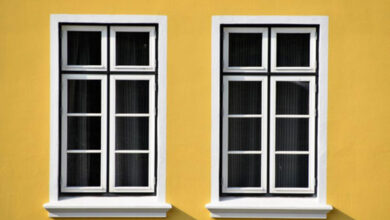
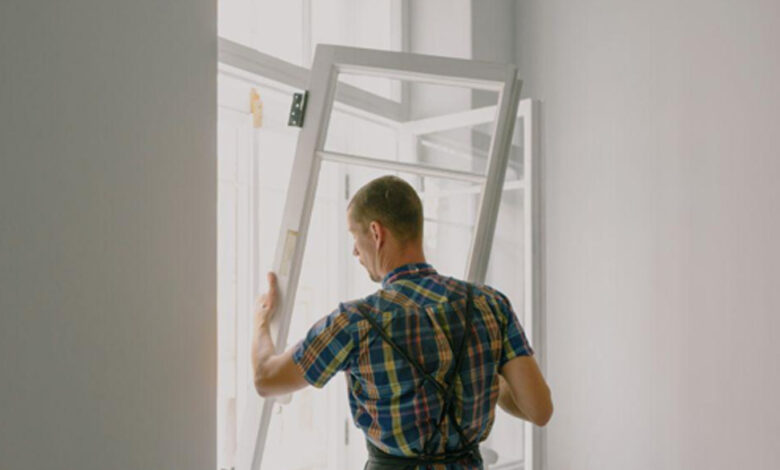
Most homeowners start an upgrade with a short list of small daily frustrations rather than one clear plan, and those frustrations tend to touch comfort, appearance, and running costs all at once. Window installation is one of the points where those three concerns meet, because work that is measured poorly or finished in a hurry can leave a house draftier and harder to heat than it was before.
Careful fitting by a trained crew is what prevents that outcome, since the standard of the labor decides whether the rest of the upgrade ever performs the way it was meant to. Homeowners who want that standard met usually begin by hiring a company that offers professional window installation in Pomona to ensure the work is measured, fitted, and sealed correctly the first time.
What Energy Efficiency Looks Like in an Ordinary House
Energy efficiency is often discussed as though it were a single product you can buy and install. It is closer to a set of habits built into the structure of a house. Warm air escapes through gaps around door frames, through thin attic insulation, and through walls that were never sealed properly when the home was built. Cool air escapes the same way in summer. A heating and cooling system then works longer and harder to make up the difference, and the cost of that effort shows up every month.
The useful question is not which upgrade is the most efficient in theory, but where the house is losing the most. A home with a poorly insulated attic will gain more from attention there than from almost anything else.
Curb Appeal and the First Impression a Property Makes
Curb appeal is easy to dismiss as vanity, but it carries real weight. It is the first thing a visitor notices, the first thing a buyer reacts to, and the thing that quietly shapes how a homeowner feels about the place each time they pull into the driveway. It also tends to be the part of an upgrade with the widest range of possible spending, from a fresh coat of paint to a full redesign of the front of the house.
Good curb appeal usually comes from restraint rather than expense. A tidy entry, clean lines, a paint color suited to the style of the building, and healthy planting will do more than an expensive feature that fights with everything around it.
The Value of Everyday Function and Simple Comfort
Function is the part homeowners feel every day and mention least when planning. It covers how easily a family moves through the house, how much natural light reaches the rooms people actually use, how quiet the interior is, and whether storage sits where it is needed. A house can be efficient and attractive and still be tiring to live in if the layout works against the people inside it.
Thinking about function means walking through an ordinary day and noticing where the friction is. The hallway that never gets enough light. The room that stays warm long after the rest of the house has cooled. The entry that has nowhere to put anything down.
Setting Priorities Before Any Work Begins
The balance between the three goals is easier to strike when priorities are set in advance rather than argued over midway through the project. Writing down what the house needs, what the household wants, and what can wait creates a reference point for every later decision. It also protects the budget, because the most common cause of overspending is a change of direction once work has already started.
A helpful approach is to rank the goals rather than weight them equally. If comfort matters most, structural and insulation work leads and appearance follows. If the house is being prepared for sale, presentation may reasonably come first.
Choosing Materials That Serve More Than One Purpose
The strongest upgrades are the ones where a single choice answers several goals. Quality insulation improves comfort and reduces running costs without being visible at all. A well-built exterior door adds security, keeps conditioned air inside, and changes the look of the entry. Durable siding protects the structure, holds its appearance for years, and reduces maintenance.
Material choices are also where durability deserves more attention than finish. Something that looks excellent for two years and then needs replacing has cost far more than its price suggested. Asking how a material ages in local conditions is a better guide than asking how it looks on the day it is installed.
Bringing Three Goals Into One Plan
Efficiency, appearance, and daily function are not competing interests. They are three views of the same house, and a well-planned upgrade improves all three at once because the decisions that serve one usually support the others. A sealed, well-insulated home is more comfortable. A comfortable home that is cared for looks better. A house that looks and feels right is easier to maintain, which keeps it performing well for years.
The homeowners who end up happiest with their projects are rarely those who spent the most. They are the ones who decided early what the work was for, chose people who understood that aim, and resisted the temptation to solve everything at once. A house improved in that order tends to keep improving.