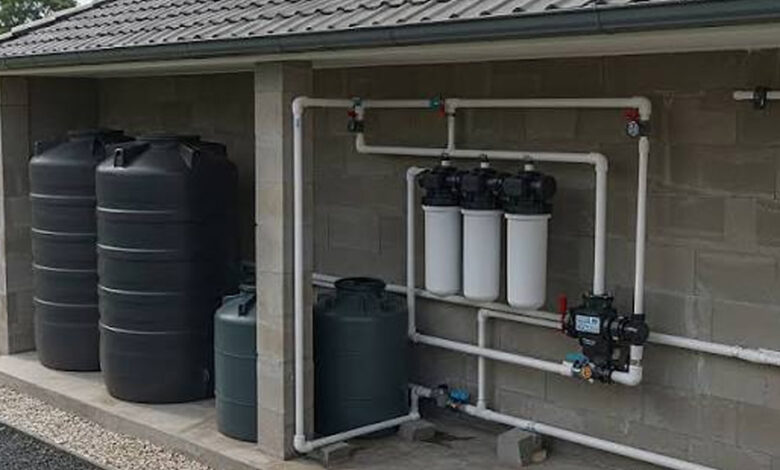

Tank fittings may be small parts of a water storage system, but they have an outsized effect on leak prevention, flow control, maintenance, and long-term reliability. American Tank Co., Inc., based in Windsor, California, manufactures Rhino tank components for agricultural, residential, commercial, and industrial storage projects. Its range of stainless steel tank fittings includes coupling, nipple, boltless, flange, gasket, and custom-fitting options designed for tank-wall connections where corrosion resistance and durable sealing are important.
Choosing the right fitting requires more than matching a pipe diameter. Review the tank material, stored liquid, pressure, temperature, available installation space, connection style, and maintenance needs before drilling an opening or ordering components.
Why Tank Fittings Deserve Careful Planning
Fittings connect a tank to pipes, pumps, valves, filters, drains, overflows, and other system components. A well-built tank can still develop operational problems if a connection leaks, restricts flow, or transfers pipe weight to the tank wall. For example, an irrigation tank may need a dependable outlet for seasonal use, a drain for cleaning, and an overflow that directs excess water away from the foundation. Planning those connections before installation is usually easier than altering a filled or fully piped tank later.
Start With the Tank and Stored Liquid
Begin by identifying the tank material, whether it is steel, fiberglass, polyethylene, concrete, or another construction. Tank-wall thickness, curvature, and the condition of the prepared opening can affect which fitting will seal correctly. Then identify the stored liquid. Drinking water, rainwater, irrigation water, wastewater, and mild industrial fluids can create different compatibility requirements.
Also consider the operating environment. Sun exposure, freezing conditions, temperature swings, vibration, and the possibility of chemical treatment can all influence material and gasket selection. A fitting that works well on a sheltered indoor tank may not be the best choice for an exposed outdoor installation.
Match the Fitting to the Connection Type
- Threaded fittings are useful for compact connections and removable pipe sections.
- Flanged fittings can suit larger lines and locations where service access is important.
- Coupling fittings provide a threaded connection through the tank wall.
- Nipple fittings are useful when male threads are needed on both sides of the connection.
- Boltless fittings may simplify work when access to the inside of the tank is limited.
- Custom fittings can be appropriate when standard openings, layouts, or operating conditions do not fit the project.
Get the Size and Threads Right
Nominal pipe size is a designation, not always the same as the pipe’s actual outside diameter. Measure the existing pipe and tank opening, then confirm the fitting’s dimensions before purchase. Check whether each side needs male or female threads and verify that the thread standard matches. NPT threads, for example, should not be assumed compatible with every threaded component.
Size also affects performance. The fitting bore should support the required flow without creating an unnecessary restriction. Leave enough space for the gasket, backing hardware, tools, insulation, and future service work.
Choose Materials for the Real Environment
Material selection should reflect the liquid, pressure, temperature, and surrounding conditions rather than a single preference.
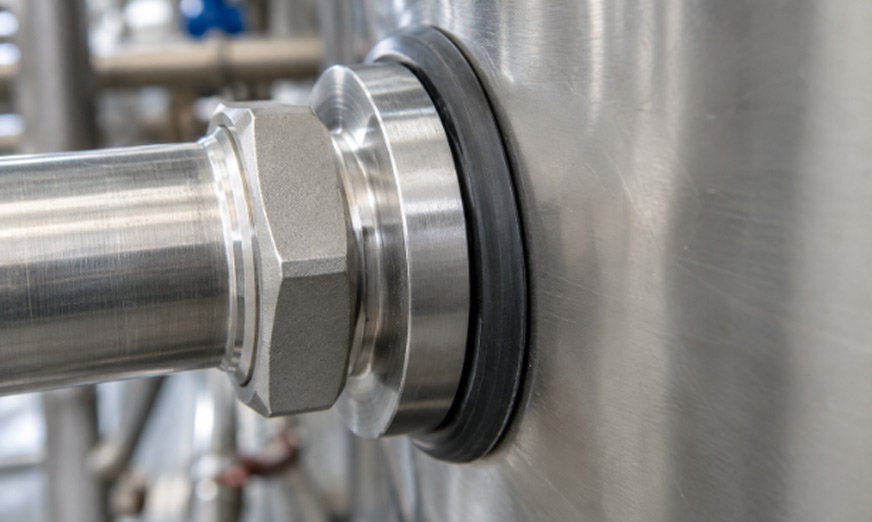
- Stainless steel is often selected where strength and corrosion resistance are priorities.
- Plastic can be practical for lightweight systems, lower-pressure applications, and compatible chemical environments.
- Brass is common in plumbing connections, although water chemistry and intended use should guide selection.
- Galvanized steel may be used in some outdoor settings, but coating condition and corrosion should be monitored over time.
Do Not Overlook Gaskets and Seals
The gasket often determines whether a tank-wall connection stays watertight. Even a strong fitting can leak when the gasket is damaged, poorly seated, overtightened, or incompatible with the liquid. Match gasket material to the application and temperature range, inspect it for cuts or flattening, and keep sealing surfaces clean. Tighten bolts or nuts in a balanced pattern and follow the fitting manufacturer’s installation guidance to avoid distorting the seal or damaging the tank wall.
Potable Water and Compliance Checks
Components used with drinking water need more than mechanical strength. Plumbing products intended for contact with drinking water should be reviewed for the applicable material-safety certification, product markings, and project requirements. Keep product records when inspections, property documentation, or future replacement decisions may require proof of the fitting’s intended use.
Plan for Flow, Pressure, and Movement
A tank fitting works as part of a complete system. Consider pump pressure, static head, flow demand, water hammer, vibration, and movement caused by temperature changes or tank settling. Flexible connectors can help where rigid piping would place stress on the tank wall. Drains and overflows should discharge safely, without creating erosion, flooding, or contamination concerns. The EPA describes water distribution systems as networks of storage tanks, valves, pumps, and pipes, which reinforces why each connection should be planned as part of the whole system.
Installation Steps That Reduce Trouble
- Shut down, drain, and secure the tank before work begins.
- Confirm fitting size, thread type, gasket, orientation, and pipe route.
- Clean the opening and sealing surfaces thoroughly.
- Seat the gasket evenly without twisting or folding it.
- Install the fitting without forcing it into an undersized opening.
- Tighten hardware evenly and support connected pipe independently.
- Fill the tank slowly and inspect the connection under normal operating conditions.
Common Mistakes to Avoid
- Choosing a fitting by pipe size alone.
- Mixing incompatible thread standards.
- Ignoring tank-wall thickness or opening dimensions.
- Using a gasket without confirming liquid compatibility.
- Allowing unsupported piping to pull on the fitting.
- Using components not intended for potable-water service in a drinking water system.
- Skipping leak tests before regular operation.
Simple Maintenance Checklist
Inspect fittings, bolts, gaskets, and nearby piping at least annually, and more often in high-use, chemical, or exposed outdoor systems. Look for rust, staining, dampness, cracks, movement, or unusual noise. Check drains and overflow paths for blockage. Replace damaged gaskets rather than relying on extra sealant, and record inspections and repairs for future reference.
Frequently Asked Questions
How do you know which tank fitting size to buy?
Measure the tank opening and connected pipe, then confirm nominal size, actual dimensions, thread type, gasket dimensions, and required flow capacity.
Are stainless steel fittings always the best choice?
Not always. Stainless steel can offer strong corrosion resistance, but the best material depends on the stored liquid, temperature, pressure, budget, and certification requirements.
How often should tank fittings be inspected?
Annual inspection is a useful starting point. Systems with pumps, vibration, chemical exposure, freezing conditions, or heavy use may need more frequent checks.
Conclusion
Choosing tank fittings in 2026 means evaluating the complete storage system, not simply matching a pipe diameter. When the fitting, gasket, tank wall, piping, liquid, and operating conditions are considered together, the result is more likely to be safe, serviceable, and dependable over time.