How to Recognize Early Termite Damage in Wooden Floors Before Structural Problems Become Serious

Wooden floors bring warmth and character to a home, but changes in their appearance can raise questions about hidden damage. Soft spots, unusual sounds, and uneven boards sometimes develop gradually, making their causes difficult to identify. Understanding these warning signs helps homeowners recognize when flooring deserves closer attention.
Not every damaged floor contains termites. Moisture exposure, installation problems, ordinary wear, and movement within the building can produce similar symptoms. Distinguishing these possibilities requires examining surrounding conditions rather than relying on appearance alone.
Early Termite control begins with recognizing suspicious evidence and understanding where insects may be active. Agile Pest Control can evaluate questionable findings and help homeowners determine whether professional investigation is appropriate. Careful observation also helps prevent unnecessary flooring removal before the underlying problem is understood.
Why Wooden Floors Can Conceal Termite Activity
Flooring materials may hide conditions developing beneath their visible surfaces. Subfloors, supporting joists, and concealed structural connections can remain inaccessible during everyday household activities.
Understanding Hidden Wood Damage
Certain termites feed on cellulose found in wood and related materials. Their activity may affect concealed components before obvious surface changes appear.
The extent of damage depends on the termite species, construction details, and duration of activity. A finished floor may therefore provide limited information about underlying conditions.
Recognizing Vulnerable Construction Areas
Ground level floors, crawl spaces, and wooden components near foundations may deserve particular attention. Their relevance depends on the building design and local termite species.
Homeowners should avoid assuming every wooden surface presents equal risk. Inspection priorities should reflect actual conditions and physical evidence.
Identifying Changes in Floor Appearance
Visible flooring changes can provide useful clues, although none independently confirms termite activity. Homeowners should consider whether symptoms are isolated or spreading.
Unusual Blistering and Surface Distortion
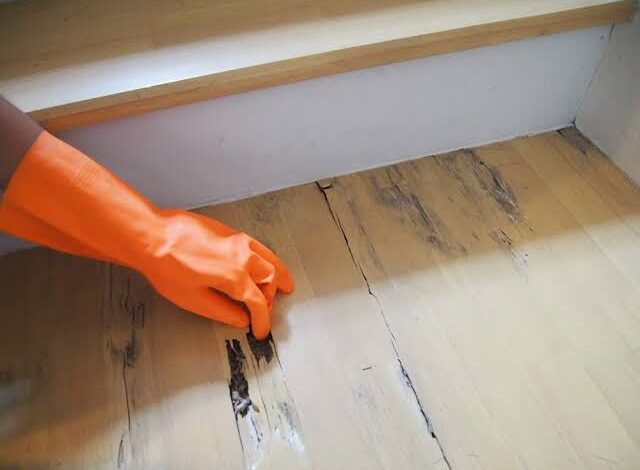
Blistered finishes or distorted boards may suggest moisture exposure, material movement, or underlying deterioration. Similar appearances can sometimes accompany insect damage.
Photographs taken over time may reveal whether affected areas are changing. Professional assessment can help distinguish possible causes.
Sagging or Uneven Floor Sections
Uneven flooring may result from structural movement, damaged supports, or installation problems. Significant changes deserve attention because they can affect walking safety.
Termites represent only one possible explanation. Structural concerns should be evaluated by appropriately qualified building professionals.
Understanding Hollow Sounds and Soft Spots
Changes in how flooring feels or sounds may indicate deterioration beneath the surface. However, these observations require careful interpretation.
Hollow Sounds Beneath Footsteps
Some wooden floors produce hollow sounds because of installation methods or gaps beneath finished materials. Such sounds do not automatically indicate insect damage.
Homeowners should note whether the sound is new or longstanding. Comparing affected and unaffected areas can provide useful context.
Soft or Flexible Flooring
A floor that feels unusually soft may have damaged boards, weakened supporting materials, or moisture related deterioration. Continued use may worsen certain structural problems.
Residents should avoid placing heavy loads on visibly compromised areas. Qualified assessment is appropriate when flooring stability becomes questionable.
Distinguishing Termites From Moisture Damage
Water exposure and termite activity can produce overlapping symptoms. Understanding the surrounding environment helps homeowners avoid premature conclusions.
Signs Associated With Persistent Moisture
Water stains, swelling, discoloration, and recurring dampness may indicate plumbing or drainage problems. These conditions deserve investigation independently of suspected insects.
Leaks beneath sinks or near exterior doors can affect adjacent flooring. Repairing the water source is essential when moisture damage is confirmed.
Why Accurate Identification Matters
Termite control decisions should depend on reliable evidence rather than assumptions about damaged wood. Other insects, fungal deterioration, and ordinary material aging may produce confusing signs.
Agile Pest Control can assess accessible evidence when termite activity is suspected. Structural repairs and moisture correction remain separate responsibilities requiring appropriate expertise.
Examining Areas Beneath Wooden Floors
The underside of flooring may reveal information unavailable from finished rooms. Access conditions vary between houses and construction styles.
Crawl Spaces and Supporting Joists
Accessible crawl spaces may contain visible framing, subfloor materials, and foundation connections. Suspicious tubes, damaged wood, or unusual debris can warrant professional examination.
Homeowners should avoid entering confined or hazardous spaces without appropriate precautions. Electrical hazards, poor access, and unstable materials can create additional risks.
Basement Ceilings and Utility Openings
Unfinished basement ceilings may expose structural components supporting the floor above. Plumbing penetrations and nearby wood can provide useful inspection locations.
However, visible deterioration does not establish its cause. The surrounding evidence should guide further investigation.
Recognizing Evidence Beyond Floor Damage
Termites may leave physical signs in locations separate from the visibly affected flooring. These observations can strengthen the reason for professional assessment.
Mud Tubes Near Foundations
Subterranean termites may construct protective tubes along foundation surfaces or other materials. Their presence can indicate termite activity requiring investigation.
Homeowners should document suspicious tubes before disturbing them. Their location may provide useful information during inspection.
Discarded Wings and Unusual Debris
Certain termite species produce winged reproductive individuals during dispersal periods. Discarded wings may accumulate near windows or other illuminated areas.
However, flying ants can resemble termite swarmers. Identification should precede treatment decisions.
Avoiding Common Inspection Mistakes
Concern about hidden damage can encourage homeowners to take immediate action. Unfortunately, unnecessary disturbance may remove evidence or create safety problems.
Removing Flooring Prematurely
Pulling up boards before assessment can alter the original damage pattern. It may also expose wiring, weakened supports, or other concealed hazards.
Photographs and professional guidance provide a better starting point. Repairs should follow an understanding of the underlying cause.
Applying Products Without Identification
Random pesticide applications may fail to reach concealed termite activity. Products also carry specific instructions governing their approved uses.
Homeowners should avoid treating uncertain damage with unsuitable chemicals. Accurate identification supports more appropriate decisions.
Planning Professional Assessment and Repairs
When evidence suggests termite activity, inspection can clarify the next steps. Treatment and building repairs should be coordinated without confusing their purposes.
Understanding Inspection Findings
A professional assessment may consider visible insect evidence, accessible wood conditions, and relevant construction details. Inaccessible areas can limit conclusions.
Homeowners should ask which findings support the diagnosis. Clear explanations help distinguish confirmed activity from suspected damage.
Coordinating Structural Repairs
Damaged flooring or supporting components may require evaluation by a qualified contractor or structural professional. Pest treatment alone cannot restore weakened materials.
Repair planning should address safety and underlying building conditions. Documentation can also support future maintenance.
Maintaining Floors Through Ongoing Observation
Routine awareness helps homeowners recognize changes without conducting constant inspections. Simple records can make recurring symptoms easier to interpret.
Monitoring Moisture and Flooring Changes
Homeowners can periodically examine accessible floors for new distortion, staining, or softness. Changes near plumbing and exterior openings deserve particular attention.
Prompt maintenance helps prevent unrelated deterioration from progressing. It also improves the clarity of later pest assessments.
Keeping Useful Property Records
Photographs, repair invoices, and inspection reports provide historical context. These records may explain whether damage existed before current concerns developed.
Termite control becomes more informed when findings are compared with documented conditions. Evidence matters more than assumptions based on flooring age.
Protecting Wooden Floors Through Informed Decisions
Wooden flooring can conceal deterioration, but visible changes should never be treated as automatic proof of termites. Moisture, structural movement, and installation issues require consideration alongside insect activity.
Homeowners consulting Agile Pest Control can discuss suspicious evidence and appropriate inspection options. Accurate identification helps determine whether pest management is necessary before extensive repairs begin.
Protecting flooring requires attention to both insects and building conditions. By documenting changes, addressing moisture problems, and seeking qualified assessment when needed, homeowners can make practical decisions that support long term property maintenance.