Sewer Camera Inspection Guide: How Video Technology Helps Find Hidden Plumbing Problems

Modern inspection technology has changed the way property owners and professionals identify problems in areas that are difficult to access. Instead of relying entirely on guesswork, extensive excavation, or dismantling structures, specialized cameras can provide a clear visual view of hidden spaces. This approach is particularly valuable when investigating drainage systems, pipes, ducts, cavities, and other enclosed areas where conventional inspection methods may be difficult or disruptive. A professional camera inspection can reveal blockages, cracks, corrosion, root intrusion, structural damage, and other concerns while providing useful information for determining the most appropriate solution.
Hidden problems can be particularly frustrating because visible symptoms do not always reveal their actual cause. A slow drain, recurring backup, unusual odor, unexplained moisture, or inconsistent water flow may have several possible causes. Without seeing what is happening inside the affected system, it can be difficult to determine whether the problem is minor or more serious. Camera technology provides an opportunity to look directly at the affected area, helping professionals make more informed decisions and reducing unnecessary work.
Understanding How Inspection Cameras Work
Inspection cameras are designed to travel through narrow or enclosed spaces while transmitting images to a monitor. Depending on the application, the camera may be attached to a flexible cable, mounted on specialized equipment, or incorporated into a robotic system. The equipment allows technicians to examine areas that would otherwise be difficult or impossible to see directly.
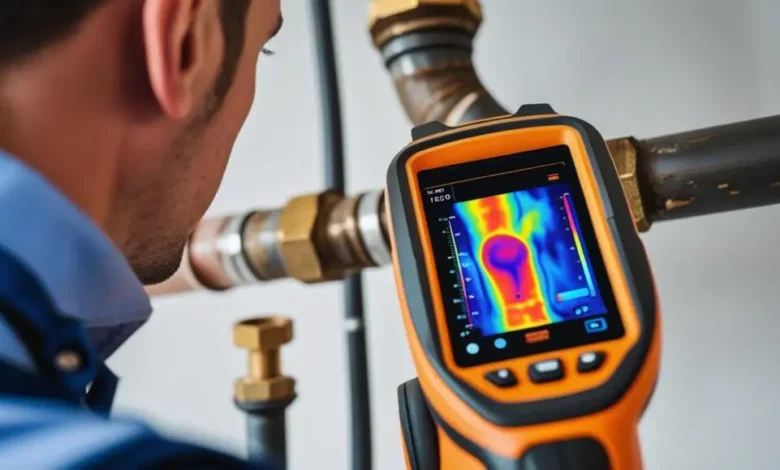
In plumbing applications, a small waterproof camera can travel through pipes and provide real-time images of the interior. The technician can observe the condition of the pipe walls, identify obstructions, and determine whether the system contains cracks or other defects. Some advanced systems also provide location information, allowing technicians to estimate where a specific problem is situated beneath a floor, driveway, yard, or other surface.
The ability to view an internal system directly can make the diagnostic process much more efficient. Rather than assuming what is causing a problem based on external symptoms, professionals can use visual evidence to guide their recommendations.
Why Visual Diagnostics Are Valuable
Many property-related problems develop in hidden areas. A pipe can deteriorate beneath the ground without producing obvious external signs until a blockage becomes severe. Similarly, a drainage system may contain buildup or damage that cannot be identified from the surface.
Visual diagnostics can reduce uncertainty by showing the actual condition of the system. This can be especially useful when a problem keeps returning after temporary repairs. If a drain repeatedly becomes blocked, for example, a camera can help determine whether the cause is grease buildup, foreign material, root intrusion, a damaged section, or another obstruction.
The information gained through an inspection can also prevent unnecessary repairs. Without visual evidence, a contractor may need to make assumptions about where the problem is located or what caused it. A camera can provide a much clearer starting point for selecting an appropriate repair method.
Common Problems Detected Through Camera Inspections
One of the most useful aspects of inspection cameras is their ability to identify a wide range of hidden problems. Blockages are among the most common. A camera may reveal accumulated debris, grease, sediment, foreign objects, or other materials restricting the flow of water.
Cracks and fractures can also be visible. A damaged pipe may allow water to escape into surrounding soil or permit soil and debris to enter the pipe. Over time, this can contribute to additional deterioration or recurring blockages.
Tree root intrusion is another issue that cameras can help identify. Roots may enter through small cracks or joints and gradually expand inside the pipe. Once established, root growth can significantly restrict flow and contribute to repeated drainage problems.
Corrosion and deterioration can also be examined. Older pipes may show signs of rust, scaling, or material breakdown. A visual inspection can help determine whether the problem is localized or widespread.
Identifying the Source of Recurring Drain Problems
Recurring drainage problems can be particularly difficult to solve if the underlying cause is unknown. A basic clearing may restore flow temporarily without addressing why the blockage occurred in the first place. If the problem returns repeatedly, further investigation may be necessary.
A professional camera inspection can provide information about the condition of the entire accessible pipe section rather than focusing only on the location where symptoms are most obvious. This broader view can reveal whether multiple problems exist along the line.
For example, a blockage close to a drain may actually be caused by a damaged section farther along the pipe. Similarly, repeated buildup may indicate an underlying structural problem that needs to be addressed rather than simply cleared.
Minimizing Unnecessary Excavation
Traditional methods of locating underground pipe problems may involve digging large sections of a property. Excavation can be disruptive, expensive, and time-consuming, particularly when pipes are located beneath landscaping, concrete, flooring, or other finished surfaces.
Camera technology can reduce the need for exploratory excavation by providing a view inside the pipe. If a problem is identified, some inspection systems can help determine its approximate location, allowing repair work to be focused on the affected area.
This does not mean excavation will always be unnecessary. Some problems require physical access for repair or replacement. However, having more information before digging can make the process more targeted and reduce unnecessary disruption.
Using Inspection Cameras During Property Purchases
Inspection cameras can also be useful when evaluating an existing property before purchase. A conventional property inspection can reveal many visible issues, but hidden drainage and plumbing conditions may require additional investigation.
A buyer may want to understand the condition of underground pipes, particularly when the property has an older plumbing system or a history of drainage problems. Discovering serious defects after purchasing a property can result in unexpected expenses.
A visual inspection can provide additional information about the condition of accessible pipes and drainage systems. While it cannot guarantee that every future problem will be prevented, it can reveal existing defects that might otherwise remain hidden.
This information can support more informed discussions about maintenance, repairs, and the overall condition of the property.
Preparing for an Inspection
Preparation requirements depend on the type of system being inspected. For a plumbing inspection, technicians may need access to suitable entry points such as cleanouts or drains. The system may need to be cleared sufficiently for the camera to travel through it.
Providing information about the property’s history can also help. If there have been previous backups, repairs, root problems, or pipe replacements, technicians may be able to use that information to focus their investigation.
It is useful to describe the symptoms accurately. Details such as when the problem occurs, whether multiple fixtures are affected, how frequently backups happen, and whether previous repairs provided temporary relief can help professionals understand the situation.
What Happens During the Inspection
During a typical inspection, the technician introduces the camera into an accessible opening and carefully guides it through the system. The camera sends images to a monitor, allowing the technician to observe the interior in real time.
The technician may look for obstructions, cracks, separated joints, corrosion, deformation, root intrusion, or other abnormalities. Depending on the equipment, distance measurements and location information may also be recorded.
The inspection process may take more or less time depending on the length and complexity of the system. A straightforward line can be examined relatively quickly, while a complicated network with multiple branches may require additional time and access points.
The most important part of the process is not simply viewing the pipe but interpreting what the images show. An experienced technician can distinguish between normal characteristics and conditions that may require attention.
Understanding Inspection Reports and Findings
After an inspection, property owners should receive a clear explanation of what was observed. Some providers may supply recorded video or images along with written findings. These materials can be useful for future reference, especially if repairs are recommended.
A good report should identify the general condition of the inspected system and describe significant defects. If a blockage or damaged section is located, the report should explain its approximate position and nature.
Property owners should ask questions if technical terminology is unclear. Understanding the difference between a minor buildup, structural damage, partial obstruction, and complete blockage can make it easier to evaluate recommended solutions.
When Repairs Are Necessary
Not every problem identified during an inspection requires immediate replacement. The appropriate response depends on the severity, location, cause, and overall condition of the system.
A small amount of buildup may be manageable through cleaning, while significant root intrusion may require more extensive treatment. A cracked pipe might be repairable depending on its location and material, whereas extensive deterioration may justify replacement.
The advantage of visual inspection is that decisions can be based on evidence rather than assumptions. Instead of replacing an entire system simply because it is old, property owners may be able to identify the specific areas that require attention.
Maintenance After an Inspection
An inspection can provide valuable information, but ongoing maintenance remains important. Even a system that appears to be in good condition can develop problems over time due to normal use, environmental exposure, or changing conditions.
Proper disposal practices can help prevent unnecessary blockages in drainage systems. Grease, oils, wipes, foreign objects, and unsuitable materials should not be introduced into plumbing systems where they can cause restrictions or damage.
Regular maintenance can also help identify developing issues earlier. If symptoms such as slow drainage, unusual odors, repeated backups, or unexplained moisture appear, addressing them promptly can reduce the likelihood of more extensive damage.
The Role of Technology in Modern Inspections
Inspection technology continues to evolve. Modern systems can offer improved image quality, stronger lighting, flexible camera heads, recording capabilities, and location-tracking features. These improvements can make it easier to identify smaller defects and document findings.
Some advanced equipment allows technicians to inspect longer sections of pipe while maintaining a clear image. Other systems are designed for larger commercial or industrial applications where standard plumbing cameras may not be sufficient.
Technology does not replace professional judgment, however. The quality of the inspection depends on both the equipment and the technician’s ability to interpret what the camera reveals. Experience remains important when determining whether an observed condition is normal, concerning, or indicative of a larger problem.
Choosing a Professional Inspection Provider
When selecting a provider, property owners should consider experience, equipment quality, communication, reporting practices, and the range of services offered. A professional should be able to explain what the inspection will cover and what limitations may apply.
It is also useful to ask whether the inspection will be recorded and whether the customer will receive copies of relevant images or video. Clear documentation can be valuable when planning repairs or discussing findings with another contractor.
Pricing should be transparent as well. The cost may depend on the length of the system, accessibility, equipment requirements, and complexity of the inspection. Property owners should understand what is included before work begins.
Benefits for Residential and Commercial Properties
Camera inspections can be valuable in both residential and commercial environments. In homes, they can help identify plumbing and drainage problems that affect kitchens, bathrooms, laundry areas, and underground lines. In commercial buildings, they can be useful for examining larger or more complex drainage systems.
Commercial properties may benefit particularly from preventive inspections because plumbing failures can disrupt operations and potentially affect multiple areas of a building. Identifying problems early may make it easier to schedule repairs at a convenient time rather than responding to an unexpected emergency.
For property managers, inspection documentation can also contribute to maintenance records. Having a visual record of system conditions can help track changes over time and support long-term maintenance planning.
Making Better Repair Decisions
One of the greatest benefits of a camera inspection is the information it provides before repair work begins. Property owners can use the findings to understand the scope of the problem and compare possible solutions.
For example, a localized defect may require a targeted repair rather than complete replacement. Conversely, extensive damage throughout a pipe may make replacement more practical than repeated attempts to repair individual sections.
The best approach depends on the specific circumstances. Factors such as pipe material, age, accessibility, severity of damage, surrounding structures, and expected future use should all be considered.
Final Thoughts
Hidden plumbing and drainage problems can be difficult to diagnose because the visible symptoms often do not reveal the actual cause. Inspection cameras provide a practical way to look inside enclosed systems without immediately resorting to extensive excavation or dismantling. By providing direct visual information, this technology can help property owners and professionals identify blockages, cracks, root intrusion, corrosion, structural deterioration, and other issues more accurately.
A professional camera inspection can be particularly valuable when problems are recurring, when a property has aging infrastructure, or when significant repair work is being considered. The information gathered during the process can help determine whether cleaning, targeted repair, rehabilitation, or replacement is the most appropriate response.
The value of inspection technology ultimately comes from the decisions it enables. Seeing what is actually happening inside a hidden system can reduce guesswork, improve repair planning, and potentially prevent unnecessary disruption. Combined with qualified professional assessment and appropriate maintenance, camera-based diagnostics can be an effective part of modern property care.
Whether the goal is to investigate a current drainage problem, evaluate an older plumbing system, document existing conditions, or plan future maintenance, visual inspection provides useful information that conventional surface-level checks cannot always deliver. Investing in accurate diagnosis before beginning major repair work can help property owners understand their systems more clearly and make decisions based on evidence rather than assumptions.