
A properly functioning sewer system is essential for maintaining a clean, comfortable, and hygienic property. Wastewater needs to move through drainage pipes without unnecessary restrictions so that sinks, toilets, showers, and other fixtures can operate normally. When a sewer line becomes blocked, water may drain slowly, unpleasant odors can develop, and wastewater may eventually back up into the property. These problems can become increasingly disruptive if the blockage is not addressed promptly. Sewer snaking is one of the commonly used methods for clearing obstructions from drainage and sewer pipes. It uses a flexible cable with a specialized cutting or clearing head to break through or remove materials that are restricting the flow of wastewater.
Understanding Sewer Drain Blockages
Sewer blockages can develop for many different reasons, and understanding the possible causes can make prevention easier. Grease, accumulated debris, paper products, mineral deposits, foreign objects, and other materials can gradually restrict the internal diameter of a pipe. In some situations, tree roots may enter damaged joints or small cracks and continue growing inside the drainage line. Older pipes may also develop structural problems that encourage recurring blockages. Sewer snaking can be useful when the obstruction is accessible with a mechanical cable and does not require extensive structural repair. However, the appropriate method depends on the location, severity, and nature of the blockage.
Early Warning Signs of a Sewer Problem
Sewer problems do not always begin with a complete backup. In many cases, the first warning signs are subtle and may include slow drains, gurgling sounds, unpleasant odors, or water that rises in a fixture when another fixture is used. Multiple slow drains throughout a property can be especially important because they may indicate a problem in a shared drainage line rather than an isolated fixture. Sewer snaking may help clear an obstruction when buildup is restricting normal wastewater movement. Property owners should pay attention to recurring symptoms instead of repeatedly treating individual drains without investigating the underlying cause. Early attention can help reduce the possibility of a severe backup and related water damage.
How Sewer Snaking Works
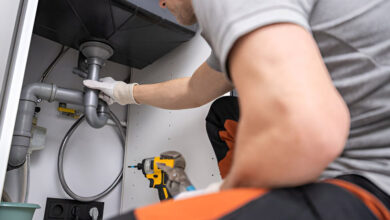
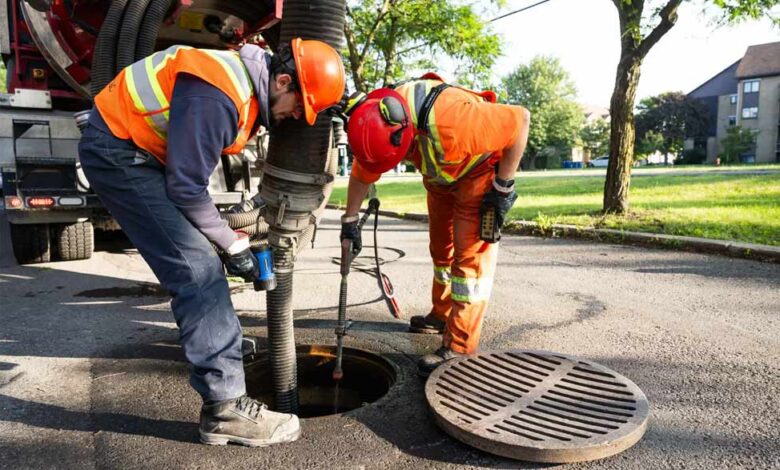
Sewer snaking uses a long, flexible cable that is inserted into a drainage or sewer pipe through an appropriate access point. The cable is moved through the pipe until it reaches the obstruction, and a rotating mechanism helps the attached head break apart, cut through, or pull back certain types of blockage. Different heads can be selected depending on the material and condition of the obstruction. Sewer snaking can be effective for many common clogs because the cable can travel through curved sections of piping. Once the obstruction is cleared, water can usually move through the affected section more freely. The process may also provide useful information about where a blockage is located and how difficult it is to remove.
Common Causes of Sewer Blockages
Household and commercial activities can introduce many materials into drainage systems. Grease and cooking oils can accumulate along the inside of kitchen drainage pipes, while excessive paper products may contribute to toilet blockages. Hair, soap residue, and other materials can collect in bathroom drains. Outside the property, roots can enter compromised pipes and create persistent restrictions. Sewer snaking can address certain blockages caused by accumulated material, especially when the pipe itself remains structurally sound. However, recurring problems may require further investigation because removing the same blockage repeatedly does not necessarily resolve the underlying cause.
Grease and Debris Buildup
Grease is a common contributor to drainage restrictions because it can adhere to the inner surfaces of pipes. As additional food particles and debris become trapped in the sticky material, the opening through which wastewater flows can gradually become smaller. Eventually, the accumulation may cause slow drainage or a complete blockage. Sewer snaking can sometimes break through or remove this type of buildup and restore flow through the affected section. Preventing grease from entering the drainage system in the first place is generally preferable to repeatedly removing it after a blockage develops. Proper disposal practices can reduce the amount of grease and food residue entering household drains.
Tree Root Intrusion
Tree roots can create difficult sewer problems when they find small openings in aging or damaged pipes. Once roots enter a pipe, they may continue growing and create a dense obstruction that interferes with wastewater flow. Sewer snaking with an appropriate cutting head may be able to remove or cut through root growth and temporarily restore drainage. However, if the pipe remains damaged, roots may return and cause another blockage. Repeated root-related problems may therefore require inspection of the pipe itself. Depending on the condition of the sewer line, repair or replacement may ultimately be necessary to address the structural source of the problem.
Slow Drains and Recurring Backups
A single slow drain may be caused by a localized obstruction, but several slow drains can indicate a larger issue. When toilets, sinks, showers, or other fixtures begin draining slowly at approximately the same time, the problem may be farther along the main drainage pathway. Sewer snaking can be used to access and clear certain main-line obstructions. If the problem repeatedly returns after clearing, further investigation may be needed to determine whether there is pipe damage, root intrusion, heavy buildup, or another underlying condition. Recurring backups should not simply be treated as isolated incidents because they may indicate a larger drainage system problem.
Choosing the Appropriate Equipment
Professional drain-clearing equipment is available in different sizes and configurations depending on the type of pipe and obstruction involved. Smaller cables may be suitable for localized household drains, while longer and stronger equipment may be required for larger sewer lines. The cutting head or attachment also matters because different materials require different approaches. Sewer snaking equipment should be selected carefully to avoid unnecessary damage to pipes. Professionals consider factors such as pipe diameter, material, access point, blockage type, and the overall condition of the drainage line. Using the appropriate equipment can improve the effectiveness of the clearing process and reduce the risk of improper handling.
Benefits of Mechanical Drain Clearing
Mechanical cable systems can provide several practical benefits when dealing with suitable blockages. They can reach obstructions located farther inside a drainage line than basic household tools and can physically break apart or remove accumulated material. Sewer snaking can also be performed through appropriate access points without requiring extensive excavation when the pipe remains intact and accessible. The process can often restore water flow relatively quickly when the blockage is suitable for mechanical clearing. However, results depend on the type and severity of the obstruction. Mechanical clearing should be viewed as one method within a broader range of possible drainage solutions rather than a universal answer to every sewer problem.
Limitations of Sewer Snaking
Although sewer snaking can be effective, it does not solve every type of drainage problem. A severely collapsed pipe, extensive structural damage, major root intrusion, or certain hardened obstructions may require a different approach. Sewer snaking may remove material from a damaged section without correcting the underlying structural issue. In some cases, the blockage may return because the pipe remains compromised. A professional assessment can help determine whether mechanical clearing is appropriate or whether inspection, repair, replacement, or another method is necessary. Understanding these limitations helps property owners avoid repeatedly paying for temporary solutions when a more comprehensive repair may be required.
Sewer Snaking and Pipe Inspection
When a blockage occurs repeatedly, inspection can provide valuable information about the condition of the sewer line. Camera inspection equipment can sometimes be used to view the inside of a pipe and identify cracks, root intrusion, collapsed sections, heavy buildup, or other abnormalities. Sewer snaking may clear the immediate obstruction before or during the broader diagnostic process. Combining clearing with inspection can help distinguish between a simple blockage and a recurring structural problem. This information is particularly useful when a property has experienced multiple backups within a relatively short period. Understanding the condition of the pipe can support more informed maintenance and repair decisions.
Preventing Future Sewer Blockages
Preventive care can reduce the frequency of many sewer and drain problems. Grease, oils, unsuitable materials, and excessive debris should not be intentionally introduced into household drainage systems. Drain screens can help prevent hair and larger particles from entering bathroom pipes. Toilets should only be used for materials they are designed to handle. Regular maintenance can also help identify slow drainage before it becomes a complete blockage. While sewer snaking can restore flow after certain obstructions develop, prevention is generally more convenient than dealing with a major backup. Good habits can therefore play an important role in maintaining reliable drainage.
When a Professional Should Be Contacted
Some drainage problems can be addressed with basic household maintenance, but persistent or severe sewer issues require professional attention. A professional should be contacted when multiple drains back up, wastewater enters a property, a blockage repeatedly returns, or there are signs of a damaged sewer line. Sewer snaking may be appropriate when the problem is caused by an obstruction that can be mechanically cleared. A professional can also determine whether additional diagnostic work is needed. Attempting to force unsuitable tools through a damaged pipe can potentially make the problem worse. Proper assessment helps ensure that the selected solution matches the actual condition of the drainage system.
Protecting the Plumbing System
Responsible use of a drainage system can help protect pipes and reduce unnecessary maintenance. Household members should understand which materials should never be flushed or poured down drains. Grease, paint, harsh substances, large food particles, and inappropriate objects can create problems or damage components. Regularly checking accessible cleanouts and drainage areas can also help identify changes in performance. Sewer snaking can address a blockage, but preventing unsuitable materials from entering the system reduces the likelihood of future problems. Property owners should also respond promptly to unusual drainage behavior instead of waiting for a complete backup.
Emergency Sewer Blockages
A serious sewer blockage can create an urgent situation when wastewater begins backing up into sinks, toilets, showers, or floor drains. Contaminated wastewater can create sanitation concerns and may damage flooring, walls, furniture, and other property components. In such circumstances, unnecessary water use should be minimized while professional assistance is arranged. Sewer snaking may provide an effective way to clear an accessible obstruction and restore drainage, depending on the cause of the backup. If the problem involves a collapsed or severely damaged pipe, however, additional repair may be necessary. Quick action can help limit the extent of damage and reduce the disruption caused by the emergency.
Maintaining Older Sewer Lines
Older sewer systems may be more vulnerable to corrosion, cracking, joint deterioration, root intrusion, and buildup. As pipes age, their internal surfaces can become less smooth, allowing materials to collect more easily. Sewer snaking can help clear blockages in older systems, but repeated problems may indicate that the pipe itself requires evaluation. Property owners with aging plumbing should consider periodic inspection, particularly when slow drainage or backups become more frequent. Identifying deterioration before a major collapse can provide more opportunities for planned repairs. A proactive maintenance strategy can be less disruptive than responding to a severe sewer failure.
Sewer Maintenance for Long-Term Reliability
Long-term sewer maintenance involves more than clearing blockages after they occur. It includes responsible use of drains, monitoring changes in drainage performance, inspecting older lines when appropriate, and addressing recurring problems. Sewer snaking can be one useful component of this maintenance approach when obstructions are suitable for mechanical clearing. Property owners should keep records of significant sewer repairs and recurring blockage locations because this information may help identify patterns. If the same area repeatedly develops a blockage, further investigation may be more useful than repeated basic clearing. Long-term maintenance should focus on both restoring flow and understanding why problems develop.
Comparing Mechanical Clearing With Other Methods
Different sewer problems may require different clearing methods. Mechanical cables are useful for breaking through or removing many physical obstructions, while other techniques may be more appropriate for extensive grease, mineral deposits, or heavily scaled pipes. High-pressure water cleaning, for example, may be considered for certain types of buildup when the pipe is suitable for the process. Sewer snaking remains useful because it can physically engage with many common obstructions and can be performed through suitable access points. The best method depends on the pipe condition, blockage type, accessibility, and severity of the problem. A professional assessment can help determine which approach is appropriate.
The Value of Timely Drainage Maintenance
Ignoring a slow drain may seem harmless, but gradual restrictions can eventually become complete blockages. As wastewater movement becomes more limited, pressure and backups may create additional complications for the plumbing system. Sewer snaking can help restore normal flow when the obstruction is suitable for mechanical removal. Addressing drainage concerns early may also make it easier to identify whether the issue is isolated or part of a larger sewer problem. Property owners should take recurring slow drainage, gurgling sounds, foul odors, and unexpected water movement seriously. Timely attention can reduce disruption and help maintain a healthier drainage system.
Conclusion
A reliable sewer system is essential for effective wastewater removal and everyday property maintenance. Blockages can develop because of grease, debris, unsuitable materials, mineral deposits, root intrusion, or deteriorating pipes. Sewer snaking provides a practical mechanical method for clearing many types of obstructions when the pipe remains accessible and structurally suitable. However, recurring blockages may require further inspection to identify underlying problems such as damaged pipes or root intrusion. Preventive habits, regular maintenance, and timely professional assessment can help reduce the frequency and severity of sewer problems. By understanding the causes of blockages and responding to warning signs early, property owners can protect their drainage systems and reduce the likelihood of disruptive backups and costly emergency repairs.