
Security requirements are constantly changing, and organizations often need solutions that can adapt to different environments without requiring permanent construction or complicated installations. Mobile surveillance trailers offer a practical way to provide cameras, lighting, communication equipment, and remote monitoring capabilities in areas that require additional security coverage. These systems can be moved according to changing operational requirements, making them suitable for temporary projects, outdoor facilities, construction areas, commercial properties, events, and other locations where fixed surveillance may not be the most practical option. A properly planned surveillance trailer deployment can provide valuable visibility while giving security teams the flexibility to adjust their monitoring strategy as site conditions develop.
What Is a Mobile Surveillance Trailer?
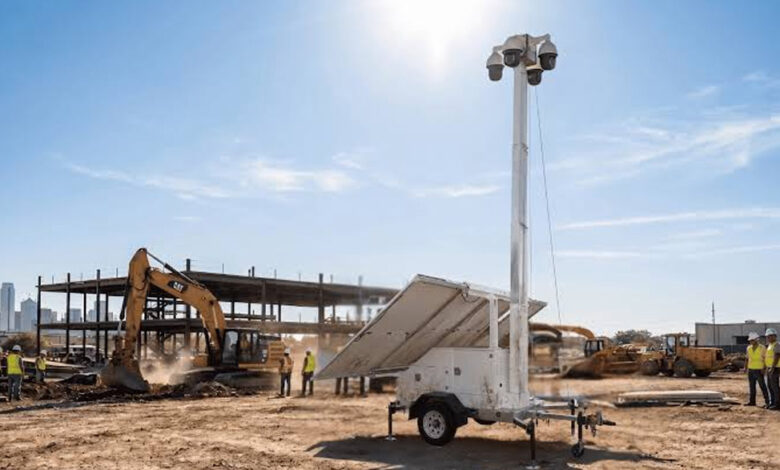
A mobile surveillance trailer is a portable security platform equipped with technology designed to monitor a specific area. Depending on the configuration, the trailer may contain high-definition cameras, pan-tilt-zoom cameras, infrared capabilities, motion detection, lighting, speakers, alarms, wireless communication equipment, and remote video access. The system can be transported and positioned where additional surveillance is required, eliminating the need to construct permanent camera towers or extensive infrastructure. Because these systems are designed for mobility, they can be particularly useful when security requirements are temporary or when the layout of a property is expected to change. Understanding the equipment and its capabilities is the first step toward planning an effective surveillance trailer deployment.
Why Mobile Surveillance Is Becoming Important
Traditional security cameras are often installed on buildings, poles, gates, or other permanent structures. While these systems can provide reliable long-term coverage, they may not be suitable for temporary sites or locations where construction and installation would be expensive. Mobile surveillance trailers provide another option by allowing security equipment to be placed where it is needed without making permanent changes to the property. They can also be relocated when the security priorities of an area change. This adaptability can be particularly valuable for projects that move through different phases. Instead of redesigning a permanent security network every time the environment changes, organizations can adjust their mobile equipment as needed.
Assessing Security Requirements
Before placing a surveillance trailer, organizations should determine exactly what they want the system to accomplish. A security assessment can identify areas that require additional monitoring, such as entrances, exits, equipment storage zones, restricted areas, parking spaces, or perimeter sections. Teams should also consider the expected duration of the monitoring requirement and whether the environment is likely to change during that period. Understanding these factors makes it easier to select appropriate equipment and determine where the trailer should be positioned. During surveillance trailer deployment, the goal should be to provide meaningful coverage rather than simply placing a camera in a convenient location.
Selecting the Right Cameras
Camera selection plays an important role in the performance of a mobile surveillance system. High-resolution cameras can provide clearer images, while optical zoom can allow operators to examine distant objects and activity. Pan-tilt-zoom cameras can expand the area that a single unit can observe by allowing operators to adjust the viewing direction remotely. Night vision and low-light capabilities can help maintain visibility after sunset or in poorly illuminated areas. Motion detection can also provide useful alerts when activity occurs in monitored zones. When selecting cameras for surveillance trailer deployment, organizations should consider resolution, viewing distance, night performance, movement capabilities, environmental durability, and compatibility with the monitoring platform.
Strategic Placement of the Trailer
The physical position of the trailer can have a major impact on the quality of surveillance coverage. A poorly positioned unit may have cameras blocked by buildings, trees, vehicles, fencing, or other structures. Security teams should identify important areas and determine the best position for observing them while minimizing blind spots. The trailer should also be placed on stable ground and in an area that allows technicians to perform maintenance when required. Camera height and orientation should be tested after installation because actual viewing conditions can differ from what appears on a map. Proper positioning helps ensure that surveillance equipment is being used efficiently and that important areas remain visible.
Power and Energy Considerations
Mobile surveillance equipment requires a dependable source of power, particularly when systems are expected to operate continuously. Depending on the equipment and site conditions, trailers may use solar panels, batteries, generators, or combinations of these technologies. Security teams should calculate expected power consumption and determine whether the selected system can operate reliably throughout the monitoring period. Backup power can also be valuable because a loss of electricity may interrupt cameras, communication systems, or other security equipment. Weather conditions should be considered when evaluating solar or battery-based systems. A reliable surveillance trailer deployment should include a power plan that supports normal operation and provides reasonable protection against unexpected interruptions.
Connectivity and Communication
Remote surveillance depends on reliable communication between the cameras and authorized monitoring personnel. Depending on the environment, systems may use cellular networks, wireless connections, satellite communication, or other technologies. Before installation, security teams should test connectivity in the proposed trailer position and confirm that video can be transmitted consistently. Weak or unstable communication can reduce the usefulness of an otherwise capable camera system. Communication equipment should also be monitored periodically to ensure that changes in network conditions have not affected performance. Connectivity testing is therefore an important part of surveillance trailer deployment and should be completed before the system is considered fully operational.
Remote Monitoring Capabilities
One of the major benefits of modern mobile surveillance technology is the ability to monitor cameras from a remote location. Authorized personnel can view live footage, review recorded video, receive alerts, and investigate activity without physically traveling to the site. This can provide security teams with greater awareness of what is happening across a monitored property. Some systems also provide two-way communication, allowing operators to speak through speakers installed on the trailer. Remote monitoring can improve the efficiency of security operations, but it should be supported by clearly defined response procedures. Personnel should know how alerts are reviewed, how incidents are documented, and which actions should be taken when suspicious activity is confirmed.
Visible Security Presence
Surveillance trailers can also provide a visible security presence. Cameras, lights, warning signs, and other equipment can make it clear that an area is being monitored. Visible security may discourage some unauthorized activity, although surveillance technology should not be viewed as a guarantee that incidents will never occur. Its primary purpose is to improve awareness, support detection, and provide useful information when activity takes place. Because mobile trailers can be moved, their visible presence can also follow changing security requirements. Organizations can position equipment where security concerns are greatest and adjust the location as conditions evolve.
Applications for Temporary Projects
Mobile surveillance trailers are particularly useful when security needs are temporary. Construction projects, outdoor events, temporary storage areas, property renovations, infrastructure work, and seasonal operations may require additional monitoring for weeks or months rather than permanently. Installing a fixed surveillance system may not be practical in these circumstances. A mobile platform can provide monitoring during the period when additional protection is required and can then be moved or removed when the project changes. This flexibility makes mobile surveillance suitable for environments where physical layouts and security priorities are constantly developing. Organizations can use the system to adapt their monitoring strategy without making permanent changes to the property.
Maintenance and Equipment Inspection
Regular maintenance is essential for keeping a mobile surveillance system operational. Cameras should be inspected for dirt, damage, and changes in image quality. Power systems should be checked to ensure that batteries and other components are functioning correctly. Communication equipment should also be tested periodically, particularly when the system depends on wireless connectivity. Environmental conditions such as dust, rain, heat, and vibration can affect equipment performance over time. Scheduled inspections allow potential problems to be identified before they create significant surveillance gaps. Maintenance should be included in the overall surveillance trailer deployment schedule so that equipment remains dependable throughout the entire monitoring period.
Privacy and Responsible Monitoring
Surveillance technology should be used responsibly and according to applicable laws, regulations, and organizational policies. Camera positions should focus on areas where security monitoring is legitimately required, while unnecessary observation of private areas should be avoided. Organizations should also establish rules concerning who can access recordings, how footage is stored, how long information is retained, and when recordings may be shared. Access controls can reduce the risk of unauthorized viewing or distribution of security footage. Personnel responsible for operating the system should understand these requirements before monitoring begins. Responsible security practices help organizations use surveillance technology effectively while respecting appropriate privacy considerations.
Combining Mobile Surveillance With Other Security Measures
A surveillance trailer can become more effective when integrated with other security measures. Physical barriers, access control, security lighting, alarms, security personnel, signage, and established response procedures can complement camera monitoring. Each component can address a different aspect of security. Cameras can provide detection and documentation, while physical controls can restrict access and personnel can respond to verified incidents. This layered approach can reduce dependence on a single technology and create a more comprehensive security strategy. During surveillance trailer deployment, organizations should determine how the mobile system will interact with existing security equipment and personnel.
Monitoring System Performance
Organizations should evaluate the performance of their surveillance system after installation. Important factors may include camera coverage, system uptime, video quality, network reliability, alert accuracy, maintenance requirements, and response procedures. Security personnel can provide useful feedback about blind spots, false alerts, or operational issues that may not be obvious from technical data. If the surrounding environment changes, cameras may need to be repositioned or additional equipment may be required. Regular performance reviews ensure that the system continues to support the original security objectives. Reviewing results also helps organizations determine whether the current surveillance trailer deployment remains appropriate for the changing environment.
Common Deployment Challenges
Several challenges can affect mobile surveillance systems. Weak network coverage may interrupt video transmission, while insufficient power capacity can shorten operating periods. Camera views may also be blocked by newly installed structures, vehicles, equipment, vegetation, or temporary barriers. Weather conditions can affect visibility and equipment performance, while changes in the site’s layout may create new blind spots. These issues can often be addressed through proper planning and regular inspections. Security teams should test the system under realistic conditions and make adjustments when problems are identified. Anticipating common challenges can make surveillance trailer deployment more reliable and reduce unnecessary monitoring gaps.
Developing a Practical Deployment Process
A structured deployment process can help organizations manage mobile surveillance efficiently. The process should begin with a security assessment that identifies important areas and operational requirements. Equipment should then be selected according to the environment, expected monitoring period, power availability, communication options, and desired camera coverage. After the trailer is positioned, cameras and other equipment should be configured and tested. Remote monitoring, recording, alerts, communication, and power systems should all be verified before regular operations begin. Documentation should also identify maintenance responsibilities and authorized personnel. A structured process makes it easier to maintain consistent security standards while still allowing the system to be adapted to individual site requirements.
Technology and Future Developments
Mobile surveillance technology continues to develop as manufacturers introduce improvements in cameras, connectivity, energy storage, analytics, and remote management. Advanced video analytics can help identify specific types of activity and direct operators toward footage that may require attention. Better battery technology and solar systems can support longer periods of operation, while improved wireless connectivity can make remote monitoring more dependable. These technologies can expand the usefulness of mobile surveillance, but human oversight remains important. Automated alerts may require verification, and security personnel still need to interpret events and follow established response procedures. Future surveillance systems are likely to combine advanced automation with responsible human supervision.
Conclusion
Mobile surveillance trailers provide organizations with a flexible way to improve security visibility without relying entirely on permanent infrastructure. Their value comes from the ability to move, adapt, and provide monitoring capabilities in environments where traditional installations may be difficult or unnecessary. Effective planning involves evaluating security requirements, choosing appropriate equipment, positioning cameras carefully, establishing reliable power and connectivity, and maintaining the system throughout its operational period. Privacy, access control, monitoring procedures, and incident response should also be considered as part of the overall security strategy. When these factors are managed carefully, surveillance trailer deployment can provide adaptable monitoring that supports changing security requirements and helps organizations maintain greater awareness of activity across important areas.