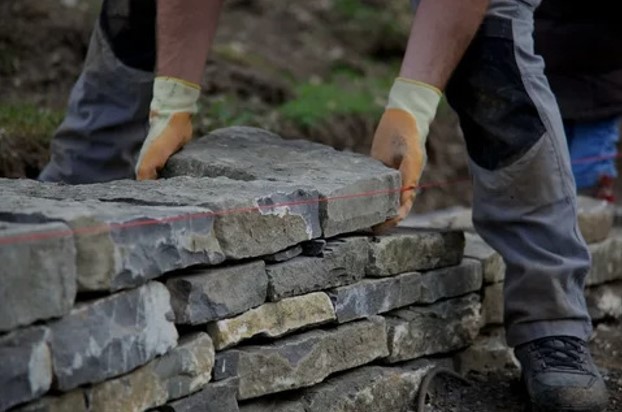

Stone masonry is one of the oldest and most reliable construction techniques used to create walls, foundations, fireplaces, retaining walls, exterior features, and other structural and decorative elements. It involves arranging natural or manufactured stones and securing them with mortar or other bonding materials. Although modern construction offers many alternatives, stone masonry remains popular because of its durability, natural appearance, and ability to withstand demanding weather conditions.
From historic buildings to modern homes, stone masonry provides both practical and visual benefits. When properly designed and installed, a stone structure can last for decades while adding character and value to a property.
What Is Stone Masonry?
Stone masonry is a construction method in which individual stones are carefully placed together to form a stable structure. Depending on the project, stones may be cut into specific shapes or used in their more natural form. Mortar is commonly applied between the stones to hold them together and provide additional stability.
The type of stone masonry used depends on the purpose of the structure, the available materials, the desired appearance, and the construction requirements. Some projects require precisely cut stones for a clean and uniform appearance, while others use irregular stones to create a rustic and natural look.
Stone masonry can be used for both structural and decorative applications. It may be part of a building’s main structure or simply used as an exterior finish to improve its appearance.
Types of Stone Masonry
There are several types of stone masonry, and each offers different characteristics and benefits.
Rubble Masonry
Rubble masonry uses stones that are generally irregular in shape and size. The stones may require minimal cutting, making this approach suitable for projects where a natural or rustic appearance is desired. It is commonly used for walls, foundations, and landscaping features.
Ashlar Masonry
Ashlar masonry uses stones that are carefully cut and shaped into regular sizes. The result is a smooth, organized, and refined appearance. Because the stones require more preparation, ashlar masonry can require more labor and precision than rubble masonry.
Dry Stone Masonry
Dry stone masonry is constructed without traditional mortar between the stones. Instead, the stones are carefully positioned and fitted together so their weight and arrangement provide stability. This technique is often seen in landscaping, garden walls, retaining walls, and historic structures.
Random Stone Masonry
Random stone masonry uses stones of different shapes and sizes and arranges them in an aesthetically pleasing pattern. It provides a more natural appearance while still creating a strong and functional wall.
Why Is Stone Masonry Used in Construction?
One of the main reasons stone masonry continues to be used is its exceptional durability. Natural stone can withstand many environmental conditions, including rain, wind, sunlight, and temperature changes. When installed correctly and maintained properly, masonry structures can remain functional for many years.
Another important benefit is appearance. Stone has a natural texture and variation that can give buildings a distinctive look. Unlike some manufactured materials, every piece of natural stone can have unique colors, patterns, and textures.
Stone masonry is also versatile. It can be incorporated into residential, commercial, and landscaping projects. Homeowners may use it for exterior walls, patios, walkways, fireplaces, chimneys, retaining walls, and decorative features.
Stone Masonry and Property Value
Quality stonework can improve the overall appearance of a property. A well-built stone wall, fireplace, entrance, or exterior feature can create a strong first impression and complement different architectural styles.
Because stone is associated with durability and long-term performance, properly maintained masonry can also contribute to the property’s long-term appeal. However, the quality of installation is important. Poorly installed masonry can develop cracks, loose stones, mortar deterioration, or water-related problems over time.
The Importance of Stone Masonry Maintenance
Even durable materials require maintenance. Exposure to moisture, changing temperatures, severe weather, and normal aging can gradually affect stone masonry. Mortar joints may deteriorate, individual stones can become loose, and cracks may develop in certain areas.
Regular inspections can help identify small problems before they become more expensive repairs. If damage is already visible, professional Stone Masonry Repair in Wilmington NC services can help restore damaged masonry and address issues such as deteriorated mortar, cracks, loose stones, and structural concerns.
Repair work should be performed carefully to preserve the appearance and integrity of the existing masonry. Using compatible materials is particularly important because an inappropriate mortar or repair material can potentially cause additional damage.
Stone Masonry vs. Other Exterior Materials
Stone masonry differs from materials such as brick, concrete, vinyl siding, and stucco in terms of appearance, installation, maintenance, and performance. Stone provides a natural and substantial appearance, while stucco offers a smooth, customizable exterior finish.
Both materials can require repairs as they age. For properties that feature stucco alongside stone elements, Stucco Repair in Wilmington NC services may be necessary when cracks, holes, water damage, or surface deterioration appear.
The right material ultimately depends on the building’s design, climate, budget, maintenance expectations, and functional requirements.
Common Applications of Stone Masonry
Stone masonry can be used in many areas of construction and landscaping, including:
- Exterior walls
- Retaining walls
- Foundations
- Fireplaces
- Chimneys
- Garden walls
- Patios
- Walkways
- Entryways
- Columns
- Decorative architectural features
- Commercial building exteriors
Its flexibility makes it suitable for both large construction projects and smaller residential improvements.
How Long Does Stone Masonry Last?
The lifespan of stone masonry depends on the type of stone, installation quality, mortar, exposure to weather, drainage, and maintenance. Properly constructed stonework can last for many decades and, in some cases, much longer.
However, longevity should not be assumed simply because stone is durable. Water management, stable foundations, quality workmanship, and timely repairs all play an important role in protecting masonry.
Final Thoughts
Stone masonry remains an important construction method because it combines strength, durability, versatility, and natural beauty. From structural walls and foundations to fireplaces and decorative features, stone can serve many purposes in residential and commercial construction.
Proper installation and ongoing maintenance are essential for getting the most from stone masonry. Regular inspections can help identify deterioration early, while professional repairs can restore damaged areas and prevent minor issues from becoming larger problems. With appropriate care, stone masonry can continue to provide both functional and aesthetic benefits for many years.