
There was a time when checking your skin was something only the cautious or the worried bothered with. That mindset has turned around in many Australian homes, especially in sun-drenched south-east Queensland. For a growing number of locals, a skin cancer check Brisbane appointment now sits on the same yearly list as a car service or a dental clean. It’s no longer seen as an extra; it’s simply expected.
When “Maybe Later” Stopped Being Good Enough
For decades, skin checks were easy to postpone. Without pain or obvious symptoms, many people waited until a spot changed colour or started itching before acting.
That attitude has steadily lost ground. People now understand that skin changes often develop without warning signs, so waiting for something to feel wrong no longer seems sensible. That realization alone has moved checks from the optional pile to the regular one.
The Quiet Influence of Workplaces and Families
Employers Bringing Health Into the Conversation
Organisations with outdoor staff now talk openly about sun exposure. Safety briefings and wellness reminders help regular checks feel standard rather than unusual, especially before the warmer months arrive.
Parents Setting the Example
At home, the habit is being passed down. A generation raised with school hats and sunscreen by the door is carrying that thinking into adult life.
Living Under a Strong Southern Sun
Australia’s UV levels are among the most intense on the planet, and Queensland sits right in the thick of it. Even overcast winter days can carry enough UV to matter.
Brisbane’s outdoor culture adds to the picture. Riverside walks, weekend sport and coastal day trips all mean regular time in the sun, and locals have come to accept that this lifestyle comes with a responsibility to watch their skin.
How Expectation Changes Behaviour
Once something becomes expected, people stop debating whether to go and start thinking about when. Reminders get set, and appointments are booked ahead rather than made under pressure.
There’s a social side too. When friends mention their own recent visits, it nudges others to follow suit. Nobody wants to be the one who hasn’t been checked in years.
Keeping Perspective on What a Check Offers
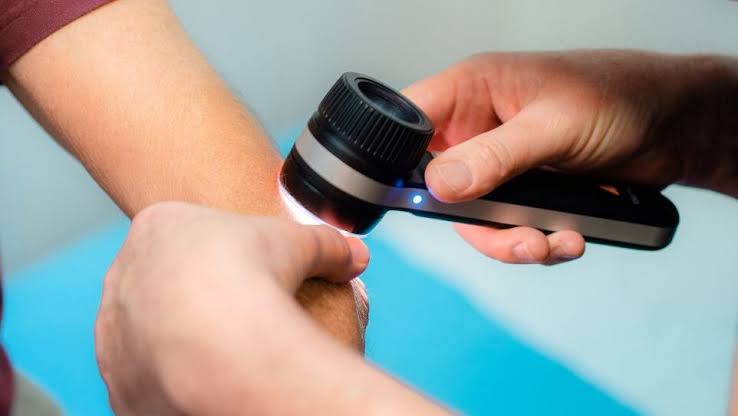
A skin check is a chance for a doctor to look closely at the skin and flag anything that may need attention. It doesn’t replace sun protection, and it isn’t a guarantee about the future.
Skin type, age, past sunburns and family history all influence how often someone might choose to go. A conversation with a GP or a skin clinic is the most reliable way to set a sensible schedule.
A Habit That Looks Set to Stay
Skin checks are now discussed with the same ease as eye tests or flu shots, and few people see them as overcautious anymore. As sun-aware children grow into sun-aware adults, this expectation is likely to grow stronger. In a place where sunshine is part of the identity, looking after your skin has simply become part of living well.