
Lithium cells power many of the devices we use each day. Laptops, flashlights, e-bikes, power tools, and electric cars all depend on them. Two cylindrical formats lead the market today. These are the 18650 and the newer 21700.
The names look like random numbers, but they are simple. They describe the size of the cell. Choosing between them affects how long a device runs, how heavy it feels, and how much it costs. This article compares the two formats in plain terms, so you can pick the right one for your project.
What the Numbers Mean
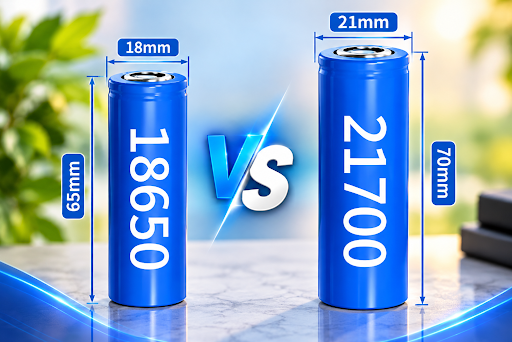
The first part of the name is the diameter in millimeters. The next part is the length in millimeters, with the final zero showing a cylindrical shape. An 18650 cell is 18 mm wide and 65 mm long. A 21700 cell is 21 mm wide and 70 mm long.
The 21700 format has gained attention for its balance of size and power. A good example is the Symbo 21700 Cylindrical Lithium-ion Cell, which shows how this format brings more capacity into a size that is still easy to handle. Many makers now choose it for new designs. Its extra volume gives engineers more room to store energy without changing the basic cell shape.
Size and Weight Differences
The size gap looks small on paper. It is larger than it seems. The 21700 cell holds about 50 percent more volume than the 18650. That extra space is the main reason it can store more energy.
Weight follows the same pattern. A typical 18650 cell weighs about 45 to 48 grams. A 21700 cell usually weighs 65 to 70 grams. Each cell is heavier, but a pack may need fewer cells overall.
Fit matters too. An 18650 holder will not take a 21700 cell. The two formats are not interchangeable. If you plan to upgrade a device, check the battery compartment first.
Capacity and Energy
Capacity is where the 21700 stands out. Most 18650 cells range from 2500 to 3500 mAh. Most 21700 cells range from 3000 to 5000 mAh. Energy per cell tells the same story. An 18650 cell holds roughly 9 to 13 Wh. A 21700 cell holds roughly 11 to 18 Wh.
This gain helps in two ways. First, a device can run longer on a single charge. Second, a pack can use fewer cells to reach the same total energy. Fewer cells mean fewer welds, fewer connectors, and a simpler build.
There is a catch. A higher capacity cell is not always better for every use. Some devices need quick bursts of power more than long run time. That brings us to performance.
Performance and Specifications
Performance covers more than capacity. It includes discharge rate, heat, voltage, and cycle life. Reading the 18650 Lithium-ion Cell Specifications helps you compare these points fairly. A datasheet shows the nominal voltage, which is usually 3.6 or 3.7 volts for both formats. It also lists the maximum discharge current and the charge limits.
Discharge rate is the key number for tools and vehicles. High drain 18650 cells often deliver 20 to 30 amps. Many 21700 cells reach 30 amps or more, while also holding more energy. This is why they suit electric vehicles and power tools well.
Heat is another factor. A larger cell has more surface area, which helps shed heat. It also holds more energy, so a fault can release more heat. Good pack design and a solid battery management system are important for both formats.
Cycle life depends on the chemistry and the way you use the cell. Most quality cells last 300 to 1000 full cycles. Shallow charging and moderate currents can extend that range.
Cost and Availability
The 18650 has been around for decades. Factories make it in huge numbers. It is easy to find, and prices are low. You can buy it from many brands in many grades.
The 21700 is newer, but supply has grown fast. Large manufacturers now produce it at scale. Prices have dropped as a result. A 21700 cell often costs a little more per unit. The cost per watt hour, however, can be equal or lower. That is because each cell stores more energy.
Availability can still vary by region. Older devices may only support the 18650. If you need spare cells for existing gear, the 18650 is the safer choice.
Which One Should You Choose?
Your choice depends on the job. Here are some simple guidelines.
Choose the 18650 if you have an older device that already uses it. It also fits small gadgets, where space is tight. It is a strong option when low cost and wide supply matter most.
Choose the 21700 for new designs that need long run time. It suits e-bikes, electric scooters, solar storage, and power banks. It also works well when you want a smaller, lighter pack with fewer parts.
Always buy from a trusted maker. Check the datasheet. Avoid cells with claims that seem too good to be true. Safety should come before price.
Conclusion
Both the 18650 and the 21700 are proven, reliable formats. The 18650 offers low cost, easy supply, and wide compatibility. The 21700 offers more capacity, strong discharge power, and simpler pack designs.
For new projects, the 21700 is often the better pick. For existing devices, the 18650 remains a practical choice. Compare the size, capacity, and performance numbers before you buy. A clear understanding of these differences will help you build or buy a battery that fits your needs.