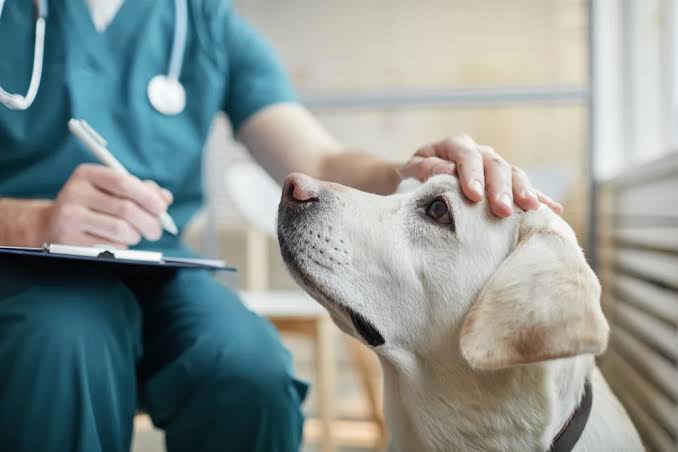

You know the feeling. Your pet is in pain, healing slowly, or dealing with a condition that keeps coming back, and standard treatment helps but does not always feel like the whole answer. You want relief, comfort, and a plan that treats more than one symptom at a time. That is why more hospitals are adding supportive options like acupuncture, rehabilitation, nutrition counseling, and preventive vaccine care for local St. James City pets alongside conventional care. When done inside a medical setting, these therapies can improve pain control, support recovery, and give you a more complete care plan for your animal.
Integrative care in animal hospitals improves pain management
Pain in animals is easy to miss and hard to measure. Some pets stop jumping, some sleep more, some get irritable, and some keep acting “normal” until the discomfort becomes hard to ignore. If your dog has arthritis or your cat is recovering from surgery, medication may be one piece of the answer, but it may not be enough on its own.
This is where integrative veterinary care can help. Therapies such as acupuncture, laser therapy, massage, and physical rehabilitation are often used to reduce pain, improve mobility, and help pets tolerate daily life with less strain. In a hospital setting, these options are not used as a replacement for diagnosis or medical treatment. They are added with oversight, which matters when your pet has multiple conditions or takes several medications.
Programs like integrative medicine for cats and dogs at Washington State University reflect this approach. The goal is not to promise a cure. The goal is to widen the tools available to the care team so your pet can move, rest, and recover with less discomfort.
That can change daily life fast. A senior dog that hesitates at the stairs may start walking more comfortably. A pet with chronic back pain may need fewer bad days to get through the week. When pain is better controlled, appetite, sleep, and mood often improve too.
Alternative therapies in veterinary hospitals support safer, more coordinated treatment
Trying outside therapies on your own can feel tempting, especially when you are searching for anything that might help. The problem is not the therapy itself. The problem is scattered care. If one provider does not know what another is doing, details get missed. A supplement can interfere with medication. An exercise plan can be too aggressive after surgery. A treatment that sounds gentle can still be wrong for a pet with heart disease, nerve damage, or an unstable spine.
When alternative therapies in veterinary hospitals are part of the care plan, the team can coordinate timing, safety, and goals. Your veterinarian can decide whether acupuncture makes sense for a dog with arthritis, whether rehab is appropriate after a cruciate repair, or whether nutrition changes should happen while another condition is being treated.
That coordination protects your pet and saves you from guesswork. You are not left trying to piece together internet advice, referral notes, and mixed opinions. You get one medical record, one team, and a clearer sense of what is helping.
Rehabilitation services show how much this matters in practice. Veterinary rehabilitation at Virginia Tech includes therapies designed to improve strength, function, and recovery under clinical supervision. For pets healing from orthopedic surgery, neurologic injury, or chronic weakness, that structure can prevent setbacks that happen when activity increases too fast.
Complementary treatments in animal hospitals can reduce long term costs
Cost is part of every care decision. You may already be balancing exams, diagnostics, medication refills, and follow up visits. Adding another service can sound like one more bill. In many cases, though, supportive therapies lower costs over time because they improve function sooner, reduce complications, and help chronic conditions stay more stable.
A dog recovering well from surgery may need fewer extra visits for stiffness or delayed healing. A pet with arthritis that moves better may avoid repeated flares that lead to urgent appointments. A weight management and rehab plan may reduce strain on joints, which can limit future problems. The savings are not always immediate, but they are real when treatment becomes more efficient and setbacks happen less often.
This is one of the less talked about benefits of a strong animal clinic care model. Better coordination often means fewer duplicated efforts and fewer trial and error choices that do not fit your pet’s condition.
Practical comparisons for alternative therapies in pet care
| Approach | Main Benefit | Common Risk | Best Use |
| Conventional treatment alone | Strong diagnostic and medical foundation | Pain, mobility, or recovery needs may remain only partly addressed | Acute illness, surgery, infections, emergencies |
| Outside alternative therapy without hospital coordination | May offer added comfort or mobility support | Conflicting plans, unsafe timing, missed medication interactions | Limited cases where communication is excellent between providers |
| Integrated care inside an animal hospital | Medical oversight, shared records, tailored treatment plan | May require more scheduling and upfront planning | Chronic pain, post surgical recovery, arthritis, neurologic rehab |
For many families, the third option feels more manageable because it replaces uncertainty with structure. You still have choices, but those choices are grounded in diagnosis and monitored progress.
Clear steps you can take right now
Ask for a full pain and function review. Do not focus only on the diagnosis. Ask how your pet’s pain, mobility, sleep, appetite, and daily habits are being measured. This helps identify whether supportive therapies belong in the plan.
Request coordinated recommendations. If you are considering acupuncture, rehab, laser therapy, or nutrition support, ask your veterinary team which options fit your pet’s condition and which should be avoided. One coordinated plan is safer than several disconnected ones.
Track small changes at home. Write down how easily your pet gets up, uses stairs, eats, rests, and plays. Small gains often show up before dramatic ones. That record helps your veterinary team adjust care based on real results, not guesswork.
Better care often comes from using more than one tool well
If your pet needs more support than medication alone can provide, you are not overreacting by asking about added therapies. You are paying attention. The benefits of integrating alternative therapies in animal hospitals come down to three things that matter every day: better pain relief, safer coordination, and a stronger path through recovery or chronic care. If your pet is struggling, talk with your veterinary team at an animal clinic about whether an integrated treatment plan makes sense.