The Outside-In Upgrade Plan: Exterior Changes That Make the Whole House Work Better

Exterior remodeling is often approached as a collection of separate projects: replace the windows one year, repaint later, deal with the entryway eventually, and think about drainage only when something goes wrong. A better approach is to look at the exterior as one connected system.
The strongest upgrades do more than improve curb appeal. They can change how comfortable the interior feels, how well the house handles weather, how much routine maintenance it demands, and how easily outdoor areas fit into daily life. Instead of starting with whatever looks oldest, homeowners can prioritize the places where the exterior has the greatest effect on the way the house performs.
Start With the Openings That Affect Every Room
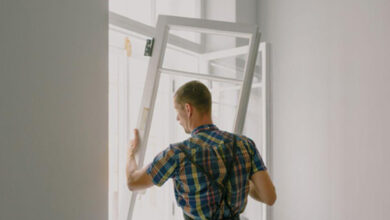
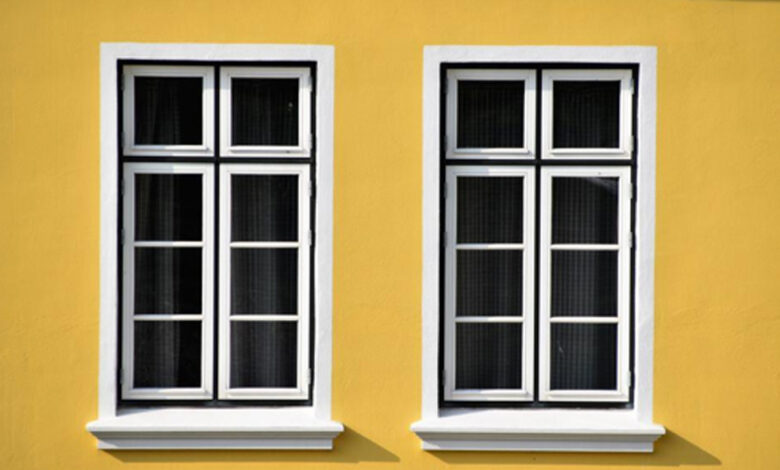
Windows are easy to think of as decorative features, but they sit directly between conditioned indoor space and outdoor weather. Drafts, difficult operation, deteriorating frames, failed seals, water intrusion, and unwanted heat transfer can make aging windows noticeable long before their appearance becomes the main concern.
When several of those problems appear together, consulting experienced window replacement contractors can help determine whether individual repairs still make sense or whether replacement better addresses the condition of the openings. Depending on the home, priorities may include energy efficiency, impact resistance, durability, easier operation, or a style that better complements the exterior.
Making this decision early can also help coordinate later work around trim, siding, paint, and exterior finishes.
Make the Entryway Work Harder Than a Welcome Mat
The front entrance creates a first impression, but it is also one of the most frequently used parts of the building envelope. A door that sticks, allows drafts, has deteriorating weatherstripping, or no longer closes properly is a functional issue as much as a visual one.
Look at the entire entrance rather than the door alone. Lighting, steps, railings, hardware, drainage, overhead protection, and visibility from the street all influence how well the area works.
Use Shade to Improve Both Sides of the Wall
Some exterior improvements change the experience of the interior without touching an interior room. Shade is a good example.
Awnings, covered porches, pergolas, shutters, appropriately placed trees, and other shading features can reduce direct solar exposure in targeted areas. This can be particularly useful around windows or outdoor spaces that receive intense afternoon sun.
Shade should solve a specific problem. When positioned thoughtfully, it can make a patio more usable while also reducing glare and unwanted solar heat inside nearby rooms.
Treat Water Management as an Exterior Upgrade
Drainage is rarely the most exciting part of a renovation, but it can protect many of the improvements that are.
Watch the house during heavy rain. Gutters should move water effectively, downspouts should discharge appropriately, and water should not repeatedly collect against the structure. Overflow, staining, erosion, or persistent pooling can signal that the drainage path deserves attention.
Addressing drainage before cosmetic work can prevent homeowners from investing in finishes only to discover that an unresolved moisture problem is damaging them.
Choose Siding and Trim With Maintenance in Mind
Exterior materials live a harder life than most interior finishes. They face sunlight, rain, wind, humidity, temperature changes, insects, and ordinary dirt, so appearance on installation day should not be the only selection criterion.
Consider how frequently a material needs cleaning, painting, sealing, or repair. Pay attention to vulnerable transitions around windows, doors, corners, and rooflines rather than judging siding only across broad wall surfaces.
Turn Outdoor Areas Into Rooms With a Purpose
A large patio does not automatically become useful outdoor living space. Without shade, comfortable circulation, lighting, or a reason to spend time there, it can remain surprisingly empty.
Start by deciding what the household actually wants to do outside. Dining requires different planning from quiet reading, children’s play, grilling, gardening, or entertaining groups of friends.
Then design around that activity. Consider the path from the kitchen, exposure to sun and rain, privacy from neighboring properties, evening lighting, and where furniture can sit without blocking movement.
This purpose-first approach usually produces a more useful space than buying outdoor furniture first and trying to invent a lifestyle around it afterward.
Let Landscaping Support the House Instead of Hiding It
Landscaping can soften architecture and give a remodeled exterior a finished appearance, but plants should not interfere with the building itself.
Consider mature plant size, root behavior, irrigation, airflow, and access for maintenance. Shrubs planted too close to walls or equipment can become obstacles later, while branches that continually touch roofing or siding may create avoidable maintenance concerns.
Plan the Small Finishes After the Big Decisions
House numbers, exterior lights, mailbox hardware, door handles, planters, and other details can noticeably sharpen a home’s appearance. They work best, however, after the larger exterior decisions are settled.
Replacing these items too early can create unnecessary repetition if windows, doors, siding, or paint later change the home’s visual direction.
Once major materials are established, use smaller elements to create consistency. Repeating a limited family of finishes or shapes can make separate projects look intentional even if they were completed at different times.
The most successful exterior renovation is rarely the one with the longest shopping list. It is the one in which individual improvements reinforce each other.
Windows and doors influence comfort and weather protection. Drainage helps protect materials. Shade affects indoor and outdoor usability. Landscaping changes privacy and exposure. Lighting improves both appearance and navigation. When those decisions are considered together, the exterior becomes more than a facade.
Start with vulnerabilities and functional problems, move toward comfort and usability, and finish with decorative details. That order gives each dollar a clearer purpose and reduces the chance that later construction will undo earlier work.
Curb appeal still matters, but the best exterior upgrades earn their value after nobody is standing at the curb admiring them. They make rooms more comfortable, entrances easier to use, outdoor areas more inviting, and maintenance more manageable. That is when an exterior renovation stops being a collection of improvements and starts making the entire home work better.