Diagnosing a Failing Water Heater: What Sounds, Smells, and Leaks Really Mean

When a water heater starts acting up, the early signs are rarely subtle. Popping sounds from the tank, rusty hot water, a pilot that will not stay lit, or a steady drip from a short copper pipe can all point to specific problems. Knowing which symptoms matter and what they may indicate can help you respond safely and avoid making a minor issue worse. This diagnostic guide explains how common noises, odors, temperature changes, and leaks relate to likely problems inside a tank-style water heater, whether it uses gas or electricity. Understanding these clues can help you decide what to check, what to document, and when to call a professional.
-
Rumbling, Popping, or Whistling: What Tank Noises Indicate
Rumbling or popping sounds that resemble popcorn usually mean sediment has collected at the bottom of the tank, trapping steam beneath a layer of mineral buildup. Electric heating elements can also become coated with scale and produce sizzling sounds as water turns to steam on contact. A high-pitched whistle may indicate a restriction near the temperature and pressure relief valve or a partially closed shutoff valve on the cold water inlet. Local resources such as water heater repair in Summerville can help you review service coverage and typical appointment availability. At the same time, you gather details about the sounds you are hearing at home.
If the noise is new or getting louder, avoid increasing the thermostat setting to compensate. Higher temperatures can accelerate mineral buildup and increase pressure inside the system. Instead, note the current temperature setting and shut off the power or gas if you plan to perform any safe, basic checks. A controlled tank flush may help remove loose sediment when appropriate. Never plug or cap the temperature and pressure relief valve. If the valve hisses or drips while the heater is operating, it may be responding to excessive pressure or temperature. Evaluate the cause rather than turning off the safety valve.
-
Discolored or Smelly Hot Water: Tracing Rust, Sulfur, and Bacteria
Brown or tea colored hot water combined with clear cold water from the same faucet often points to corrosion inside the water heater. One possible cause is a depleted sacrificial anode rod, which can allow the steel tank to begin corroding. A rotten egg odor is often associated with hydrogen sulfide gas. This can develop when sulfate-reducing bacteria interact with the anode and the chemistry of warm, stagnant water. For example, you may return home after a long weekend and notice orange-tinted hot water that clears after the faucet runs for a while, followed by a persistent sulfur smell when the shower becomes warm.
Possible corrective measures include flushing the tank, replacing the anode rod, and adjusting the water temperature when appropriate to reduce conditions that encourage bacterial growth. Anode selection also involves trade-offs. Magnesium rods provide strong corrosion protection but can contribute to odors in certain water conditions. Aluminum-zinc rods may reduce odor problems in some situations but offer different corrosion characteristics. If discoloration appears at only one bathroom, inspect the branch plumbing for issues such as older galvanized piping before assuming the water heater is responsible. If every hot water fixture is affected, the tank is a more likely source.
-
Inconsistent Temperature or Quick Hot Water Drop-Offs
When the first shower is hot, but the next one quickly becomes lukewarm, the problem may involve the heater’s recovery rate or control components. In an electric water heater, a failed lower heating element or thermostat may heat only the upper portion of the tank, causing hot water to run out quickly. In a gas unit, a weak burner flame, dirty burner, faulty thermocouple, damaged flame sensor, or improper venting can limit heat production. A damaged dip tube can also allow cold incoming water to mix near the top of the tank, sending lukewarm water to fixtures even when the tank is full. This dip tube issue may cause a sudden loss of hot water throughout the home.
Basic homeowner checks include confirming that the circuit breaker is not repeatedly tripping on an electric unit, verifying that the gas control is set to the proper operating position, and checking that the pilot remains stable on a model with a standing pilot. If the home has a hot water recirculation system, make sure the pump timer has not changed unexpectedly. Avoid repeatedly increasing the temperature setting or bypassing safety controls. If you smell gas, do not attempt to relight the unit. Record when the problem occurs and which fixtures are affected. This information can help a technician distinguish among thermostat, heating element, burner, and dip tube problems.
-
Leaks and Drips: Relief Valve, Fittings, and Expansion Effects
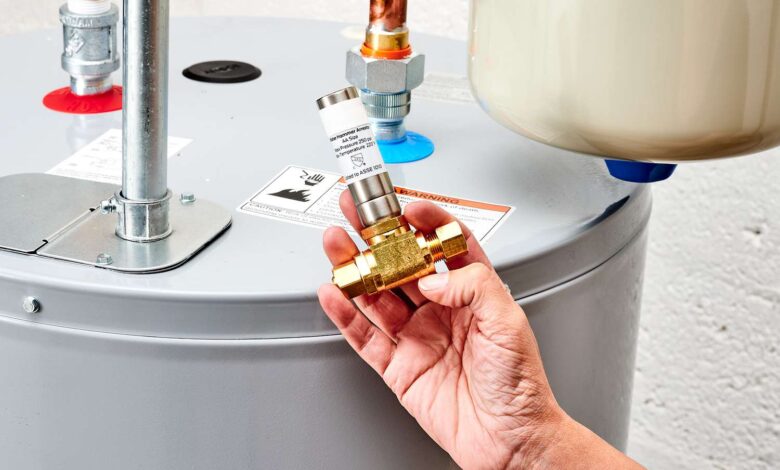
A puddle beneath the water heater can come from several different sources. A steady drip from the temperature and pressure relief valve discharge pipe may indicate that the valve is opening to release excessive pressure or temperature. This can happen if the thermostat lets the water get too hot or if thermal expansion has nowhere to go because the expansion tank has failed. Moisture around the cold water inlet, hot water outlet, or dielectric nipples may leave visible mineral deposits around the fittings. A leak from the tank seam, particularly near the bottom of the unit, often indicates that the internal steel tank has deteriorated and may be approaching the end of its service life.
One useful clue is an intermittent drip that appears after a dishwasher cycle or another period of heavy hot water use. This pattern may suggest pressure changes caused by thermal expansion rather than a continuous plumbing leak.
Begin with a visual inspection. Use a dry tissue or paper towel to check fittings above the tank for slow leaks that may be difficult to see. Inspect the expansion tank and note whether it appears unusually heavy or filled with water. Never cap the temperature and pressure relief valve discharge pipe to stop dripping. If a leak is active, shut off the cold water supply to the heater and turn off electricity at the breaker or move the gas control to the off position. This helps prevent electric elements from operating without enough water or a gas burner from heating an empty tank. Photos showing the leak location and the relief valve label can also be useful when arranging repairs.
Repair or Replace: Balancing Risk, Age, and Efficiency
Some water heater problems can be repaired economically, while others indicate that replacement may be more practical. Replacing a failed electric heating element, thermostat, thermocouple, or temperature and pressure relief valve is often a relatively straightforward repair. Persistent tank corrosion, repeated pilot problems from a deteriorating burner assembly, or a leak from the tank itself may point to replacement. Hard water and years of sediment accumulation can shorten tank life, while regular flushing and timely anode replacement may help extend it.
Energy use and installation requirements also matter when considering a replacement. A heat pump water heater can reduce electricity consumption, but it usually requires adequate space, condensate drainage, and a suitable electrical circuit. Tankless water heaters can provide continuous hot water and operate efficiently under the right conditions. Still, they require proper gas supply sizing, proper venting, and routine maintenance to control mineral buildup.
If replacement appears likely, gather important information before scheduling service. Record the fuel type, tank capacity (gallons), unit height and diameter, venting configuration, and any space limitations around the heater. Take photos of the gas line or electrical connection. Note whether the system includes an expansion tank, recirculation pump, water softener, mixing valve, drain pan, or nearby floor drain. Clear a path to the unit and consider when the household can accommodate a temporary water shutoff. These simple preparations can reduce surprises and help the technician assess the issue more accurately.
A water heater often gives warning signs before it fails. Popping may point to sediment buildup, sulfur odors may involve anode chemistry and bacteria, rapid hot water loss may indicate heating element or dip tube problems, and discharge from the temperature and pressure relief valve may signal excessive pressure or temperature. Identifying the symptom, taking safe preliminary steps, and documenting what you observe can make diagnosis easier. When you schedule service, providing the model number, symptom history, and details about where leaks, odors, or noises occur can help shorten the diagnostic process. This preparation can make it easier to choose between a targeted repair and a timely replacement while reducing the risk of another unexpected cold shower.