A Complete Guide to MEP Repair, Maintenance, and Building System Reliability

Modern buildings depend on several interconnected systems to provide comfort, safety, functionality, and reliable day-to-day operation. Mechanical, electrical, and plumbing systems are among the most important components because they support everything from heating and cooling to lighting, power distribution, water supply, drainage, and ventilation. When any of these systems develops a problem, the effects can quickly extend beyond a single component and disrupt the operation of an entire building. MEP repair is therefore an important part of maintaining commercial properties, residential buildings, industrial facilities, offices, healthcare spaces, and other structures. Timely attention to system problems can help prevent minor defects from developing into expensive failures while supporting efficient and dependable building performance.
Understanding MEP Systems
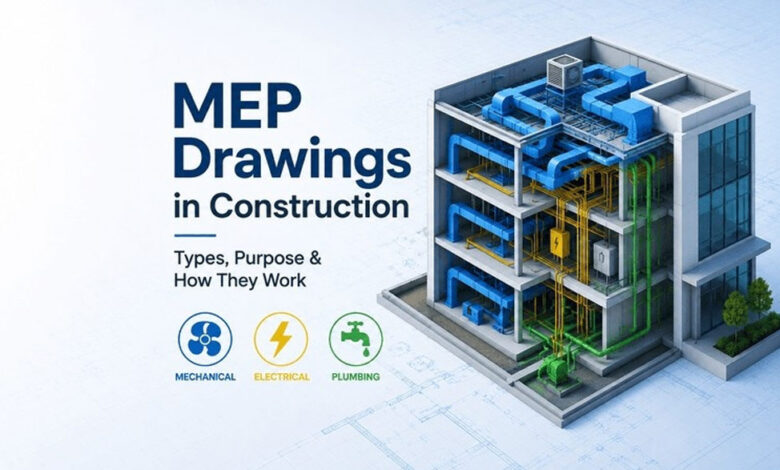
MEP stands for mechanical, electrical, and plumbing, three major categories of building services that work together to create a functional indoor environment. Mechanical systems commonly include heating, ventilation, air conditioning, refrigeration, and related equipment. Electrical systems can include power distribution, lighting, switches, outlets, panels, wiring, controls, and safety equipment. Plumbing systems are responsible for water supply, drainage, fixtures, pipes, pumps, and related components. Because these systems are often interconnected, a problem in one area can sometimes affect another. Understanding how these systems operate makes it easier to identify warning signs, plan maintenance, and determine when professional attention is necessary. Properly maintained building systems also contribute to occupant comfort, operational efficiency, and long-term property value.
Why Timely Repairs Matter
MEP repair plays an important role in addressing problems before they become larger failures. A small water leak, unusual electrical behavior, weak airflow, unusual equipment noise, or inconsistent temperature may indicate an underlying problem that should not be ignored. Delaying repairs can allow components to deteriorate further, potentially increasing the eventual cost and complexity of the work. In some cases, a neglected issue can affect other building systems or create conditions that interfere with normal operations. Prompt attention allows technicians to investigate the source of a problem and determine whether a component can be repaired, adjusted, or needs replacement. A proactive approach can also reduce unexpected downtime and help building owners plan maintenance expenses more effectively.
Common Mechanical Problems
Mechanical systems are responsible for maintaining suitable indoor temperatures and air quality, making their reliability especially important. Common problems can include poor airflow, unusual noises, inconsistent cooling or heating, equipment vibration, blocked filters, refrigerant-related issues, worn belts, faulty controls, and drainage problems. HVAC equipment can also experience reduced efficiency as components age or become dirty. Regular inspections can identify problems before equipment performance declines significantly. Technicians may inspect filters, coils, fans, motors, ducts, controls, thermostats, and other components to determine the source of a problem. Keeping mechanical equipment properly maintained can improve comfort while reducing unnecessary energy consumption and helping extend the useful life of expensive systems.
Electrical Issues That Require Attention
Electrical systems require careful inspection because problems involving wiring, panels, outlets, switches, breakers, or other components can affect both building functionality and safety. Warning signs may include flickering lights, repeated breaker trips, warm outlets, unusual odors, buzzing sounds, damaged wiring, or equipment that does not operate consistently. Electrical faults should not be treated as minor inconveniences because some problems can worsen when left unresolved. MEP repair involving electrical systems should be handled by appropriately qualified professionals who can identify the source of the problem and perform work according to applicable safety requirements. Regular inspections can also help identify aging components, overloaded circuits, loose connections, or other issues that may affect system reliability.
Plumbing Problems and Water Damage
Plumbing failures can range from minor dripping fixtures to significant pipe leaks, drainage blockages, pressure problems, and water supply interruptions. Even a small leak can cause hidden moisture damage if it occurs behind walls, beneath floors, or near sensitive building materials. Persistent leaks can contribute to mold growth, deterioration, unpleasant odors, and increased water consumption. Plumbing systems should therefore be inspected when signs of trouble appear, including slow drains, unusual water pressure, discolored water, damp areas, or unexplained increases in water usage. Prompt diagnosis can help identify whether the problem involves a fixture, pipe, valve, drain, pump, or another component. Addressing plumbing issues early can reduce the possibility of extensive secondary damage.
Diagnosing the Root Cause
One of the most important aspects of MEP repair is identifying the actual cause of a problem rather than simply treating its visible symptoms. For example, poor cooling may result from a dirty filter, faulty thermostat, blocked airflow, equipment wear, or another underlying issue. Similarly, repeated electrical breaker trips could have several possible causes that require proper testing and investigation. Plumbing leaks may originate from connections, deteriorated pipes, damaged fixtures, or pressure-related problems. A systematic diagnostic process allows technicians to inspect relevant components, test system performance, and determine the most appropriate solution. Correct diagnosis can prevent repeated repairs and help ensure that the work addresses the underlying issue rather than temporarily masking it.
The Role of Preventive Maintenance
Preventive maintenance can significantly reduce the frequency of unexpected equipment failures. Instead of waiting until a system stops working, property owners can establish schedules for inspections, cleaning, testing, lubrication, adjustments, and component replacement. Mechanical equipment may require filter changes and coil cleaning, while electrical systems may benefit from inspections of connections, panels, and protective devices. Plumbing maintenance can include checking valves, fixtures, drains, pumps, and visible pipework. The appropriate schedule depends on the equipment, building use, operating conditions, and manufacturer recommendations. A structured maintenance program can identify developing problems early and help property managers plan repairs before they become disruptive emergencies.
Improving Energy Efficiency
Building systems can consume significant amounts of energy, particularly when mechanical and electrical equipment operates continuously. Poorly maintained equipment may work harder than necessary to provide the same level of performance, increasing operating costs over time. MEP repair can support energy efficiency by addressing malfunctioning components, airflow problems, electrical issues, control-system faults, and other conditions that reduce performance. Improvements may also involve replacing outdated components with more efficient alternatives when repair is no longer practical. Energy efficiency should be considered alongside reliability because equipment that operates efficiently may also experience less unnecessary stress. Regular performance assessments can help identify opportunities to reduce energy consumption without compromising occupant comfort or building functionality.
Repair Versus Replacement
Not every damaged component should automatically be replaced, and not every problem should be repaired indefinitely. The decision depends on factors such as equipment age, condition, repair cost, availability of replacement parts, energy efficiency, reliability, and expected remaining service life. A relatively new component with a minor defect may be more economical to repair, while an outdated system with repeated failures may justify replacement. Professional evaluation can help property owners compare the short-term repair cost with the long-term benefits of upgrading equipment. Making this decision carefully can prevent repeated spending on components that are approaching the end of their useful life while avoiding unnecessary replacement of equipment that can still perform reliably.
Safety Considerations During Repairs
Safety is a critical part of any building-system service because mechanical, electrical, and plumbing work can involve significant hazards. Electrical work may involve energized equipment, mechanical systems may contain moving components or pressurized parts, and plumbing systems can involve hot water, pressure, chemicals, or contaminated materials. Appropriate procedures should be followed before work begins, and equipment should be isolated or shut down when required. Technicians should use suitable protective equipment and follow established safety practices for the task. Building occupants should also be protected from active work areas where necessary. A careful approach helps reduce the possibility of accidents while allowing repairs to be completed in an organized manner.
Minimizing Building Disruptions
Building owners and managers often need repairs to be completed without unnecessarily disrupting occupants or business operations. Effective MEP repair planning can help reduce downtime by identifying the affected system, determining the required materials, preparing tools, and scheduling work appropriately. In commercial environments, repairs may be planned during lower-occupancy periods when possible. Technicians can also coordinate with building management to isolate affected areas while keeping other systems operational. Clear communication is particularly important when repairs involve water shutdowns, electrical interruptions, HVAC service, or access restrictions. Good planning allows necessary work to be completed while minimizing inconvenience for occupants, employees, customers, and other users of the building.
Using Quality Replacement Components
The quality of replacement components can influence the reliability and lifespan of repaired systems. Using unsuitable or low-quality parts may result in repeated failures, compatibility issues, or reduced system performance. Replacement components should be appropriate for the specific equipment and application, and installation should follow relevant technical requirements. Manufacturers’ specifications can provide useful information about compatible parts, operating conditions, and installation procedures. Proper documentation of replacement components can also help with future maintenance. Keeping records of repairs, upgrades, and replaced parts provides building managers with a useful history that can support future troubleshooting and maintenance decisions.
Importance of Professional Expertise
Complex building systems often require specialized knowledge because mechanical, electrical, and plumbing components can vary considerably between buildings and equipment types. Professional technicians can use diagnostic tools, technical documentation, testing procedures, and practical experience to identify problems more accurately. MEP repair performed by qualified professionals can also help ensure that work is carried out according to applicable requirements and manufacturer specifications. Attempting complex repairs without sufficient knowledge can create additional damage or safety risks. Professional assistance is particularly important for electrical faults, major HVAC equipment, concealed plumbing problems, and interconnected building systems where incorrect work may affect multiple components.
Keeping Detailed Maintenance Records
Maintenance records can provide valuable information about the condition and history of building systems. Property managers should document inspections, repairs, component replacements, recurring faults, and major upgrades whenever possible. These records can help technicians identify patterns and determine whether a recurring problem has a deeper cause. They can also help property owners plan future budgets by showing which systems require frequent attention and which components may be approaching replacement age. Detailed documentation is particularly useful when a property changes ownership or when different maintenance teams work on the same building. A clear maintenance history supports better decision-making and can improve continuity between inspections and future service visits.
Planning for Long-Term Reliability
Building owners should view MEP maintenance as an ongoing investment rather than an occasional expense. Systems naturally experience wear over time, and even well-maintained equipment eventually requires major repairs or replacement. Long-term planning allows property owners to anticipate these needs rather than responding only when a failure occurs. MEP repair should be incorporated into a broader maintenance strategy that considers equipment age, operating conditions, performance, energy consumption, and expected service life. Periodic assessments can help identify systems that are becoming less reliable and allow upgrades to be scheduled at convenient times. This approach can reduce emergency situations and make building maintenance more predictable.
Final Thoughts
Reliable mechanical, electrical, and plumbing systems are essential for comfortable, safe, and efficient buildings. MEP repair provides a practical way to address system problems, restore performance, reduce disruptions, and prevent minor defects from becoming larger failures. From HVAC and electrical equipment to plumbing fixtures and water distribution systems, each component benefits from timely inspection and appropriate maintenance. Property owners can improve long-term reliability by combining professional repairs with preventive maintenance, detailed recordkeeping, energy-efficiency improvements, and careful planning for eventual equipment replacement. A consistent approach to building-system care not only supports daily operations but can also protect property value, reduce unnecessary expenses, and create a more dependable environment for everyone who uses the building.