Clearing With Purpose: Smart Strategies for Managing Brush and Woody Vegetation

Managing dense vegetation can become a demanding task when brush, vines, saplings, fallen branches, and unwanted woody growth begin taking over an area. Overgrown land can restrict access, hide important property features, interfere with future projects, and create ongoing maintenance challenges. Effective vegetation management starts with understanding the condition of the property and selecting a clearing method that matches the type and density of growth. Forestry mulching is one approach that can process suitable vegetation directly on the ground, reducing the need to cut, stack, haul, and dispose of large amounts of brush separately. With proper planning, this method can help transform difficult areas into cleaner, more accessible spaces while simplifying debris management.
Understanding Dense Vegetation
Vegetation can become dense for many reasons, including limited maintenance, natural growth, storm damage, or changes in how a property is being used. Small trees, shrubs, vines, weeds, and fallen branches can gradually form thick layers that make the ground difficult to access. Dense growth can also conceal rocks, stumps, drainage problems, old fencing, and other obstacles that may not be visible from a distance. Forestry mulching can help process suitable vegetation and expose more of the ground surface, making it easier to understand the property’s condition. Before clearing begins, however, the area should be inspected carefully so that important features and potential hazards are identified.
Planning the Clearing Project
Good preparation is essential for any vegetation management project. Property owners should first determine which areas need to be cleared and which trees, plants, or natural features should remain. Clearly identifying boundaries can help prevent desirable vegetation from being removed accidentally. Forestry mulching projects should also account for fences, utility lines, drainage systems, buildings, rocks, buried objects, and other obstacles that could interfere with equipment. The condition of the ground should be evaluated as well, particularly if the property contains steep slopes, soft soil, wet areas, or difficult access points. A detailed plan can make the work safer and help ensure that the finished area supports the property’s intended purpose.
Managing Thick Brush
Brush can spread rapidly and become difficult to control when it is allowed to grow unchecked. Thorny plants, vines, weeds, shrubs, and young woody growth can form dense barriers that restrict movement and reduce visibility. Forestry mulching can process many types of suitable brush into smaller organic material that remains distributed across the cleared surface. This can eliminate the need to create large piles of loose vegetation that later require loading and transportation. The amount of material produced will depend on vegetation density, equipment, and operating techniques. After the initial clearing, routine maintenance can help prevent the brush from returning to the same level of density.
Handling Small Trees and Saplings
Young trees and saplings can become especially problematic in areas where vegetation has not been managed for several seasons. As they grow closer together, they can create dense stands that are difficult to navigate and maintain. Forestry mulching can be useful for processing certain smaller trees and woody plants, depending on their size and location. Larger trees, mature trees, or trees located close to structures may require different removal techniques and additional precautions. Before work begins, the size and condition of the vegetation should be assessed so the appropriate equipment and approach can be selected. Protecting desirable trees while removing unwanted growth can also be an important part of the project plan.
Improving Access and Visibility
Overgrown vegetation can make driveways, trails, paths, utility corridors, and other access routes difficult to use. Branches may extend into travel areas, while brush can cover the edges of established routes and make navigation more challenging. Forestry mulching can help reopen suitable access areas by processing vegetation along planned routes. Improved visibility can also make it easier to inspect fences, drainage features, property boundaries, and other important areas. Access improvements should be performed carefully around slopes, waterways, structures, and existing landscaping. Once access is restored, regular trimming and vegetation control can help keep these routes usable over the long term.
Preparing Land for Future Projects
Vegetation clearing is often performed as an early step in a larger property improvement project. Land may need to be opened before installing trails, improving access, developing recreational areas, creating open spaces, or beginning other planned work. Forestry mulching can reduce dense vegetation and provide a clearer view of the terrain, helping property owners understand what additional preparation may be necessary. However, clearing vegetation does not automatically mean that the ground is ready for construction or other intensive uses. Additional grading, excavation, drainage work, stump removal, or soil preparation may still be required. The desired end use should therefore be considered before deciding how much vegetation should be removed.
Reducing Debris Handling
Traditional brush clearing can involve several separate stages. Vegetation is cut, gathered into piles, loaded onto trucks or trailers, transported away, and eventually processed or disposed of elsewhere. This process can require considerable labor and additional equipment, especially when clearing large areas. Forestry mulching combines cutting and processing into a more direct operation for suitable vegetation. Instead of leaving large piles across the property, much of the vegetation is reduced into smaller pieces and distributed across the ground. This can simplify cleanup and reduce the amount of loose material that needs to be transported. The approach can be particularly useful when hauling large volumes of brush away from the property would be difficult or inefficient.
Considering Ground Conditions
The condition of the soil is an important factor when planning heavy vegetation-clearing work. Wet or unstable ground may be more vulnerable to rutting, compaction, or other forms of disturbance from machinery. Forestry mulching should therefore be scheduled and performed with consideration for soil moisture, terrain, slope, and access conditions. Operators may need to modify their approach when working on steep or sensitive areas. Protecting the ground can be especially important when the cleared property will later be used for landscaping, trails, agriculture, recreation, or construction. A thorough assessment before work begins can help identify areas where additional care is necessary.
Understanding the Mulched Surface
One of the defining characteristics of this clearing approach is that processed vegetation remains on the ground rather than being completely hauled away. Forestry mulching can create a layer of shredded organic material across the cleared area, which may provide ground coverage and change the appearance of the property. The thickness and distribution of this material depend on the amount of vegetation processed and the equipment used. In some applications, the resulting surface may be suitable as part of a natural ground-cover strategy, while other projects may require additional grading or cleanup. The desired final condition should be discussed before clearing begins so that the work matches the property’s intended use.
Environmental Considerations
Vegetation management can influence soil, drainage, wildlife, and surrounding plant communities, so clearing should be performed thoughtfully. Certain trees or areas may provide valuable habitat or help control erosion, making selective preservation important. Forestry mulching can reduce the need to transport large quantities of vegetation, but responsible planning is still necessary to avoid unnecessary disturbance. Waterways, wetlands, sensitive habitats, and protected vegetation should be identified before significant clearing takes place. Maintaining desirable plants while controlling invasive or unwanted growth can create a more balanced result. Environmental considerations should be included in the project plan rather than addressed only after clearing has started.
Safety Around Heavy Equipment
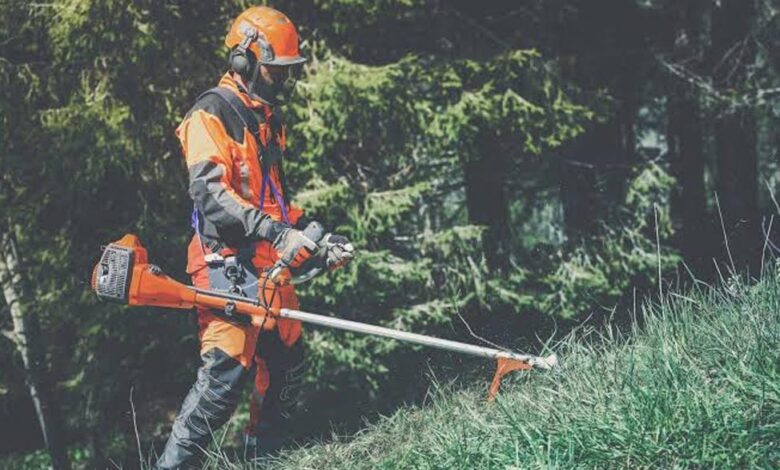
Vegetation clearing involves powerful machinery, moving cutting components, falling branches, uneven terrain, and potentially hidden objects. Workers and bystanders should remain at a safe distance from active equipment, and operators should follow appropriate safety procedures. Forestry mulching should be performed by trained operators who understand both the machinery and the conditions of the property. Rocks, metal, wire, old fencing, and other hidden materials can create serious hazards if they are not identified beforehand. Proper protective equipment, controlled operation, and clear communication can reduce unnecessary risks. Children, pets, and unauthorized individuals should be kept away from active work areas.
Protecting Valuable Trees
Not every tree or plant on an overgrown property needs to be removed. Mature trees may provide shade, visual appeal, habitat, privacy, or other benefits, while certain plants may be intentionally preserved as part of the property’s landscape. Forestry mulching should therefore be performed selectively when the goal is to clear unwanted growth while maintaining desirable vegetation. Marking trees and areas that should remain can give equipment operators clear boundaries to follow. Property owners should also communicate whether certain trees are protected because of their size, condition, location, or future value. Careful planning can produce a more balanced cleared area rather than simply removing everything in the path of the equipment.
Maintaining Cleared Areas
Clearing an overgrown property is not necessarily a permanent solution if vegetation continues to grow without maintenance. New brush, vines, weeds, and saplings can gradually return and create another dense growth problem. Forestry mulching can provide a cleaner starting point, but follow-up maintenance is often needed to preserve access and visibility. Regular inspections can identify new growth while it is still relatively easy to control. Depending on the property’s purpose, mowing, trimming, selective cutting, or other vegetation-management practices may be appropriate. Developing a routine maintenance schedule can reduce the likelihood of needing another major clearing project in the future.
Supporting Long-Term Property Management
A successful clearing project should be connected to a broader plan for how the property will be used and maintained. Property owners may want to create open areas, improve access, establish trails, manage invasive growth, protect certain trees, or prepare land for future development. Forestry mulching can support the initial stage of these objectives when suitable vegetation needs to be reduced efficiently. The final approach should be based on the property’s long-term goals rather than simply removing as much vegetation as possible. Selective clearing can often provide a more useful result because it balances access and maintenance with the preservation of desirable natural features.
When Specialized Equipment Is Appropriate
Small areas of light brush can sometimes be managed with basic landscaping tools, but dense vegetation across larger areas may require specialized equipment. Thick woody growth can be physically demanding to remove manually, particularly when it covers difficult terrain or extends across a substantial area. Forestry mulching equipment is designed to process suitable vegetation efficiently, which can reduce the amount of manual cutting and debris handling required. Professional operators can also evaluate vegetation density, ground conditions, access limitations, and potential hazards before beginning work. For complex properties, professional assessment can help determine the safest and most efficient approach.
Final Thoughts
Effective vegetation management requires more than simply cutting down unwanted growth. A successful project considers the type of vegetation, ground conditions, property access, environmental features, safety requirements, and future land use. Forestry mulching can provide an efficient option for processing suitable brush, saplings, and woody vegetation while reducing the need for extensive hauling and debris piles. With proper preparation and careful operation, the process can improve access, visibility, and overall property management while leaving processed organic material across the cleared surface. Long-term maintenance remains important after the initial work, but a thoughtful clearing strategy can create a cleaner, more manageable foundation for future property use.