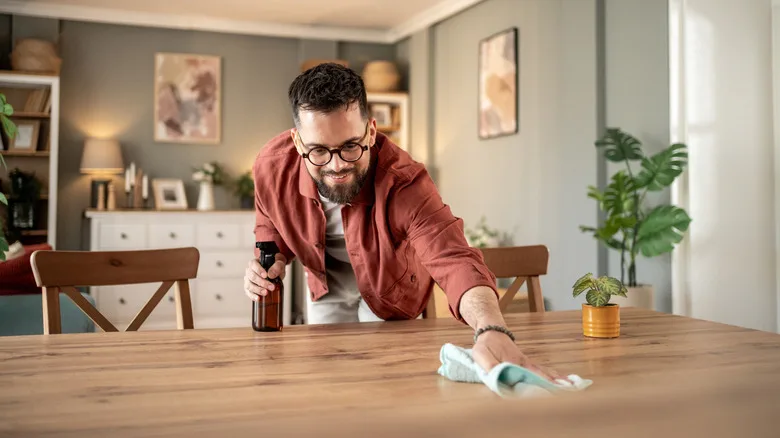

A dining table may look clean immediately after a meal, but a closer inspection often reveals crumbs around the edges, sticky marks beneath the tabletop, or food residue trapped in the joints of nearby chairs. These overlooked areas can gradually collect dirt, even when the table is wiped down every day.
Dining furniture experiences frequent contact with food, drinks, hands, and clothing. While cleaning the tabletop removes visible spills, it does not always address the smaller surfaces where grime accumulates. Chair backs, seat edges, furniture legs, and decorative details can remain dirty long after the main dining surface has been cleaned.
A thorough residential cleaning routine should account for these hidden areas without damaging delicate furniture finishes. Detailed household cleaning, including the surface care associated with CJM Cleaning, becomes especially relevant in dining spaces where food residue, dust, and daily use create several different cleaning needs.
Understanding why certain areas stay dirty can help you adjust your cleaning habits and maintain dining furniture without spending unnecessary time scrubbing.
Why Wiping the Tabletop Is Not Always Enough
Most people naturally concentrate on the center of the dining table because that is where plates, glasses, and serving dishes sit. However, food particles rarely stay within these boundaries. Crumbs move toward the edges when someone clears a plate, while spilled drinks can travel underneath the tabletop before drying.
The underside of a table is particularly easy to forget. Children may touch it with sticky fingers, and food particles can collect around supporting brackets or decorative trim. These areas remain hidden during ordinary cleaning, allowing residue to accumulate.
Table edges also receive regular contact from hands and arms. Natural skin oils can mix with dust, leaving a thin film that becomes noticeable over time. If the surface has a textured finish, grime may settle into shallow grooves where a quick wipe cannot reach.
Instead of repeatedly cleaning the tabletop, inspect its edges and underside occasionally. A soft cloth and a furniture-safe cleaning solution can remove ordinary marks before they become stubborn.
Chair Backs and Armrests Collect More Residue Than Expected
Dining chairs are handled constantly. People pull them away from the table, grip their backs while sitting down, and rest their arms on supporting surfaces. These movements transfer skin oils, food residue, and everyday dirt onto the furniture.
Wooden chair backs can develop dull or sticky patches around frequently touched areas. Painted chairs may show fingerprints, particularly on lighter finishes. Metal and plastic seating can collect similar marks, although the appropriate cleaning methods vary.
Clean the areas people touch most often
Begin by inspecting the upper edge of each chair back, armrests, and accessible side supports. Remove loose dust before wiping these surfaces with a product compatible with the material.
Avoid soaking wooden joints or allowing moisture to remain around decorative details. Excess water can damage certain finishes and may affect the underlying wood.
For chairs with carved patterns or narrow gaps, a soft brush can loosen trapped dust without requiring aggressive scrubbing. Follow with a clean cloth to collect the loosened debris.
Cleaning these contact points regularly can prevent oily residue from building up and attracting additional dust.
Why Upholstered Dining Chairs Need Different Care
Fabric-covered dining chairs present another challenge because spills can penetrate the upholstery rather than remaining on the surface.
A dropped crumb may settle between the seat and backrest, while liquid can soak into the fabric and leave a visible stain. Over time, dust, food particles, and body oils can affect the appearance of upholstered seating.
Vacuuming with a suitable upholstery attachment helps remove loose debris before it becomes embedded. Pay attention to seams, piping, and the narrow space where the seat meets the backrest.
Stain treatment requires more caution. Upholstery fabrics have different cleaning requirements, and water-based products are not appropriate for every material. Check the furniture’s care label or manufacturer’s instructions before applying moisture or cleaning chemicals.
Scrubbing a stain aggressively can spread it or damage fabric fibers. Blotting a fresh spill with an appropriate clean cloth is generally preferable, but the safest treatment depends on the fabric and substance involved.
For delicate or heavily stained upholstery, specialist furniture cleaning may be more appropriate than ordinary household cleaning.
Food Residue Often Hides Beneath Furniture and Around Its Legs
Dining areas experience frequent movement as chairs are pushed backward, people walk between seats, and food falls onto the floor. This activity can spread crumbs beyond the immediately visible space.
Furniture legs create narrow corners where vacuum heads and mops sometimes struggle to reach. Hair, dust, and food particles may collect around chair feet or become trapped against protective floor pads.
The underside of a dining table can also contain supporting rails and structural joints that gather dust. Although these features do not require daily attention, they should not be completely ignored during deeper cleaning.
Move lightweight chairs when practical and vacuum the exposed floor before mopping. Check for dried spills around chair legs, then clean them using methods suitable for both the furniture and flooring.
If protective pads beneath chair legs have become dirty or damaged, inspect them before returning the chairs. Debris trapped beneath a worn pad can scratch certain flooring materials.
How Detailed Dining-Area Cleaning Prevents Recurring Buildup
A dining area can appear tidy while its furniture still holds layers of accumulated residue. This is particularly noticeable when chairs have decorative backs, tables feature textured edges, or meals regularly involve sauces and oily foods.
A more detailed cleaning session should address the tabletop, chair contact points, furniture legs, and accessible floor areas together. For residential cleaning needs connected with CJM Cleaning Montclair, relevant tasks include dusting dining furniture, wiping suitable household surfaces, vacuuming crumbs, and mopping exposed floors. Treating these surfaces as connected parts of the dining area makes more sense than repeatedly wiping the tabletop while leaving surrounding grime untouched.
The cleaning method should still match each material. A solution appropriate for a sealed countertop may not be suitable for unfinished wood, leather upholstery, or a delicate furniture coating.
If chairs or tables require specialized stain removal, heavy moving, or restoration work, confirm whether those tasks fall within the agreed cleaning service before expecting them to be completed.
Keep Dining Furniture Cleaner Between Full Cleaning Sessions
Daily maintenance does not need to involve moving every chair or inspecting every furniture joint. A few consistent habits can prevent much of the buildup that eventually requires detailed cleaning.
After meals, remove loose crumbs before wiping the table. Check the edges for spills, especially when children have been eating or drinks have been served near the tabletop’s edge.
Chair backs and armrests can be wiped when fingerprints or sticky marks become noticeable. Upholstered seats benefit from occasional vacuuming, while food spills should be addressed promptly according to the fabric’s care instructions.
Protective placemats and suitable coasters can reduce direct contact between food, drinks, and vulnerable finishes. These items still need cleaning because trapped crumbs and liquid beneath them can affect the surface below.
During recurring home cleaning, CJM Cleaning can be part of a broader maintenance plan for household surfaces and dining-area floors. Homeowners should identify delicate furniture materials and clarify any special cleaning requirements before work begins.
A Cleaner Dining Area Requires Attention Beyond the Tabletop
Dining furniture becomes dirty in ways that ordinary wiping does not always address. Food residue gathers along table edges, chair backs collect fingerprints, upholstery traps crumbs, and flooring around furniture legs can hold debris long after the rest of the room looks clean.
The solution is not to perform a deep clean after every meal. Instead, combine simple daily wiping with occasional attention to the areas that are frequently touched or difficult to reach.
By using cleaning methods suited to each material and removing spills before they harden, you can keep dining tables and chairs cleaner while protecting their finishes. A little attention beyond the visible tabletop makes the entire dining space easier to maintain.