Why Metallic Floor Systems Are a Modern Choice for Attractive, Durable, and Low-Maintenance Surfaces

Flooring can influence the appearance, comfort, cleanliness, and functionality of an interior space. While conventional flooring options remain popular, decorative resin systems provide an opportunity to combine visual creativity with practical surface protection. Metallic coatings are particularly distinctive because they use specialized pigments to create depth, movement, and reflective effects across a seamless surface. A metallic floor can transform an ordinary concrete substrate into a decorative feature while also providing a durable finish when the correct products and installation methods are used. From preparation and pigment selection to protective topcoats and routine maintenance, every part of the process contributes to the final result. Understanding these factors can help property owners determine whether a metallic resin system is suitable for their flooring needs.
Understanding Metallic Floor Systems
A metallic resin system is generally created by applying several compatible layers over a properly prepared substrate. The process usually begins with cleaning and mechanically preparing the existing floor to remove contaminants and improve adhesion. A base coat may then be applied before the decorative resin containing metallic pigments is installed. During application, the pigments can be manipulated to create different patterns and visual effects. After the decorative layer has cured appropriately, a clear protective topcoat is typically added to improve resistance to wear and help preserve the design. Because the pigments can produce different effects depending on application technique and lighting, every metallic floor can have a distinctive visual character.
The Importance of Surface Preparation
Proper preparation is essential for the success of any resin flooring project. Concrete surfaces may contain dust, oil, grease, moisture, weak material, cracks, or previous coatings that can interfere with adhesion. If these conditions are not addressed, the new coating may develop problems such as peeling, bubbling, cracking, or delamination. Mechanical grinding, cleaning, crack repair, and removal of unsuitable coatings may be necessary before installation. Moisture testing is also important because excessive moisture beneath a resin system can affect long-term performance. By creating a clean, stable, and properly prepared substrate, installers can provide a stronger foundation for the coating system and improve the reliability of the finished metallic floor.
Choosing Appropriate Materials
The materials used in a resin flooring system should be selected according to the environment and intended use. Different resins can provide different levels of hardness, flexibility, chemical resistance, abrasion resistance, curing speed, and UV stability. A decorative interior with light foot traffic may have different requirements from a space exposed to heavy equipment or frequent chemical contact. Temperature and humidity should also be considered because environmental conditions can influence application and curing. Selecting a product based solely on color or appearance may result in performance problems later. A suitable metallic floor system should balance decorative goals with the practical demands of the space where it will be installed.
Selecting Colors and Metallic Pigments
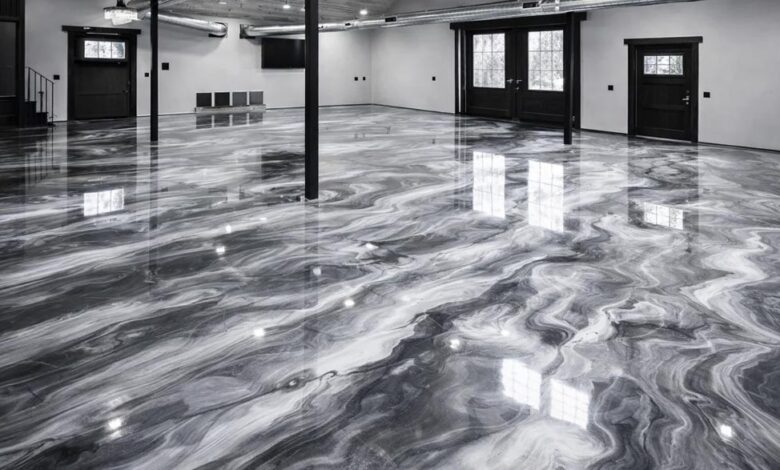
One of the most attractive features of metallic flooring is the wide range of available colors and pigment combinations. Metallic pigments can be used to create finishes inspired by stone, polished metal, flowing clouds, waves, or abstract patterns. Neutral shades can produce an understated appearance, while contrasting colors can create a more dramatic visual effect. The surrounding interior should be considered when choosing the color scheme. Walls, furniture, lighting, cabinetry, and decorative features can all influence how the floor appears. Samples can help demonstrate the general direction of the final design, although the movement of metallic pigments means the finished pattern will naturally contain variations.
Creating Unique Visual Effects
The visual appeal of metallic resin flooring comes largely from the way pigments move and interact within the coating. Installers can use different tools and techniques to manipulate the wet material and create areas of contrast, movement, and depth. Some designs may be subtle and softly blended, while others can feature strong waves, swirls, or dramatic color transitions. Lighting also affects the appearance because reflective pigments respond differently depending on viewing angle and light intensity. This creates a dynamic surface that can change visually throughout the day. A metallic floor can therefore function as more than a practical surface; it can become an important decorative element within an interior.
Creating a Seamless Surface
Resin flooring can provide a continuous surface without the grout lines commonly associated with tiled floors. This seamless appearance can create a clean and modern visual effect while also making routine cleaning more straightforward. Fewer joints mean fewer spaces where dirt and debris can accumulate. However, a seamless coating does not eliminate the importance of proper substrate preparation. Cracks, movement, or structural issues in the concrete can affect the finished surface if they are not addressed before installation. Installers must also carefully coordinate application across larger areas to prevent unwanted transitions. When properly prepared and installed, a metallic floor can create a smooth and visually consistent surface.
Durability and Everyday Performance
Decorative appeal is important, but flooring also needs to perform under everyday conditions. A properly selected resin system can provide resistance to common forms of wear, including foot traffic, routine cleaning, and appropriate levels of equipment use. The final topcoat plays an important role in protecting the decorative layer from abrasion and contaminants. However, durability depends on several factors, including substrate preparation, product selection, installation quality, curing, and maintenance. Heavy impacts, sharp objects, excessive abrasion, or unsuitable chemicals can damage resin surfaces. A metallic floor should therefore be designed according to its expected use rather than selected solely for its appearance.
The Role of the Protective Topcoat
The protective topcoat is one of the most important components of a complete metallic flooring system. It seals the decorative layer and helps protect the pigments from direct exposure to everyday wear. Depending on the selected product, the topcoat can provide different levels of abrasion resistance, chemical resistance, UV stability, and gloss. The finish can also influence the visual character of the floor. A high-gloss coating can emphasize the reflective quality of metallic pigments, while a more subdued finish can create a softer appearance. Proper application is essential because uneven thickness, incorrect mixing, or insufficient curing can affect both appearance and performance.
Managing Moisture Concerns
Moisture is a major consideration when installing resin flooring over concrete. Excessive moisture can interfere with adhesion and may contribute to blistering, bubbling, or separation of the coating. Before installation, the substrate should be assessed using appropriate moisture-testing procedures. If moisture levels are unsuitable, mitigation measures may need to be completed before the coating system is installed. Environmental conditions during application also matter because humidity and temperature can affect curing. Addressing moisture problems before installation is much more effective than attempting to correct coating failures afterward. Careful substrate evaluation helps ensure that the metallic floor has a stable foundation.
Professional Installation Techniques
The quality of a decorative resin floor depends heavily on installation technique. Materials must be mixed according to the manufacturer’s specifications, application tools must be suitable, and working times must be carefully managed. Metallic pigments require controlled application because their final appearance depends on how the material is manipulated while wet. Installers must also maintain appropriate coating thickness and coordinate their movements to avoid unwanted transitions between sections. Temperature, humidity, and ventilation should be monitored throughout the process. Professional experience can be particularly valuable when the project requires a specific decorative pattern while also maintaining reliable adhesion and coating performance.
Safety During Installation
Safety is an important part of every resin flooring project. Preparation equipment can create dust and noise, while some coating materials may require appropriate ventilation and protective equipment during application. Workers should follow the instructions provided by the manufacturers of all products and equipment being used. Appropriate gloves, eye protection, respiratory protection, protective clothing, and other safety measures may be necessary depending on the materials and working conditions. The installation area should also be restricted while coatings are being applied and cured. A professional metallic floor project should protect both the workers and surrounding occupants while maintaining proper control over the installation environment.
Cleaning and Routine Maintenance
One of the practical advantages of seamless resin flooring is that routine maintenance can be relatively simple. Dust, dirt, and abrasive particles should be removed regularly to prevent unnecessary wear. Spills should be cleaned promptly, especially when they contain oils, chemicals, or substances that could stain or affect the coating. Cleaning products should be compatible with the protective topcoat, and abrasive tools should generally be avoided unless specifically approved. Regular maintenance helps preserve the visual quality of the metallic pigments while protecting the surface from unnecessary damage. Consistent cleaning can also help the floor maintain a polished and professional appearance over time.
Handling Scratches and Repairs
Although resin floors can be durable, they can still be damaged by heavy impacts, sharp objects, excessive abrasion, or structural movement. Scratches, chips, and other defects should be inspected as soon as they are noticed. Small damaged areas may sometimes be repaired without replacing the entire floor, depending on the extent of the problem and the original coating system. Metallic designs can make repairs more challenging because the decorative pattern may need to be blended with the surrounding area. Professional repair work can help restore both the protective properties and visual appearance of the affected section. Prompt attention to damage can prevent more extensive deterioration.
Lighting and Interior Design Considerations
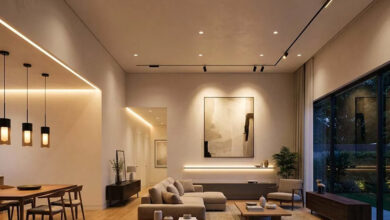
Lighting can dramatically influence how metallic pigments appear. Because the surface is reflective, changes in natural or artificial light can make the colors and patterns look different from various angles. This can be an advantage when the goal is to create a visually dynamic interior. However, lighting should be considered when selecting colors because a shade that looks subtle under one type of lighting may appear more dramatic under another. Furniture, wall colors, fixtures, and other interior elements should also complement the flooring. Thoughtful design planning can help ensure that the metallic floor enhances the room rather than competing with other important visual features.
Suitable Applications
Metallic resin systems can be suitable for many environments where decorative appearance and seamless performance are important. Depending on the coating specifications, applications may include residential rooms, offices, showrooms, studios, entertainment areas, retail interiors, and other spaces with appropriate traffic levels. The specific resin system should always be matched to the demands of the environment. Areas exposed to heavy equipment, aggressive chemicals, extreme moisture, or unusually high traffic may require specialized materials or a different flooring solution. Understanding the conditions of the space before installation helps ensure that the selected metallic floor provides appropriate performance.
Long-Term Maintenance and Protection
Long-term care is important for preserving both the appearance and performance of a decorative resin surface. Furniture should be moved carefully to avoid impact damage, and protective pads can be placed beneath heavy furniture when appropriate. Abrasive debris should be removed regularly, while spills should not be allowed to remain on the surface unnecessarily. Cleaning methods should follow the recommendations provided for the specific topcoat. Periodic inspections can also identify small scratches, chips, or areas of wear before they become more serious. With appropriate care, a metallic floor can retain much of its original decorative quality and protective performance for an extended period.
Considering Long-Term Value
A flooring system should be evaluated according to more than its initial appearance or installation cost. Durability, maintenance requirements, expected service life, repair needs, and suitability for the environment all contribute to its overall value. A properly installed resin system may provide long-term benefits when the materials and preparation methods are appropriate for the application. However, selecting a decorative coating without considering the demands of the space can lead to premature wear or failure. A carefully planned metallic floor can offer a combination of visual impact, seamless construction, and practical surface protection. Considering the complete lifecycle of the floor can help property owners make a more informed decision.
Final Thoughts
Metallic resin flooring offers an appealing combination of artistic appearance, seamless construction, durability, and relatively straightforward maintenance. Specialized pigments create movement and depth that can make each installation visually distinctive, while the protective coating system provides practical benefits for everyday use. Successful results depend on proper substrate preparation, moisture control, appropriate material selection, professional application, adequate curing, and a compatible protective topcoat. Regular cleaning and timely repairs can further protect the finished surface and extend its useful life. When these factors are carefully managed, a metallic floor can provide an attractive and durable solution for interiors where design and practical performance are both important.