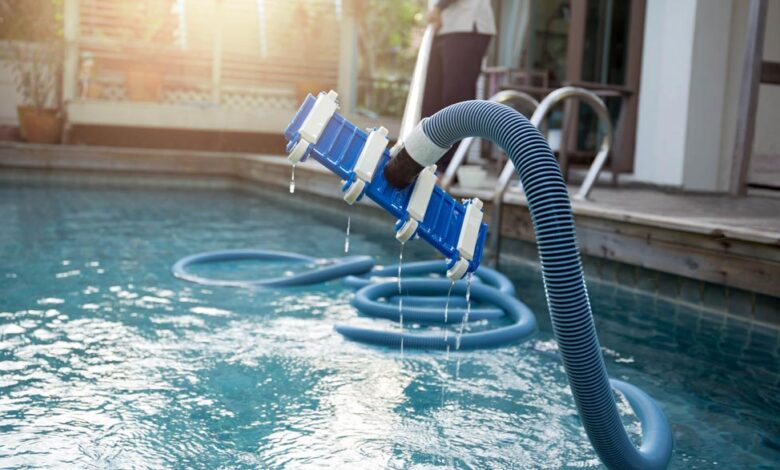

A swimming pool depends on several mechanical and electrical components to keep the water clean, circulated, filtered, and comfortable for regular use. Pumps, filters, heaters, chlorinators, valves, timers, and other equipment work together as one system, so a problem with one component can affect the performance of the entire pool. Regular inspections and timely maintenance can help identify problems before they become more complicated or expensive. Pool equipment repair can restore proper operation when equipment begins making unusual sounds, losing pressure, leaking, overheating, or failing to circulate water correctly. Understanding the purpose of each component and recognizing early warning signs can help pool owners maintain a healthier and more efficient swimming environment.
Understanding the Main Pool Equipment
Modern swimming pools typically rely on several pieces of equipment to maintain water quality and circulation. The pump moves water through the circulation system, while the filter removes dirt and other particles from the water. Heaters can maintain a comfortable temperature, while sanitizing systems help control unwanted microorganisms. Valves regulate water movement between different components, and timers or control systems help automate operation. Pool equipment repair requires an understanding of how these components interact because a symptom appearing in one part of the system may actually be caused by a problem elsewhere. A complete assessment can therefore be more useful than replacing individual parts without identifying the underlying issue.
Recognizing Early Warning Signs
Pool equipment often provides warning signs before a complete failure occurs. Unusual noises, reduced water circulation, low pressure, visible leaks, frequent shutdowns, unusual smells, overheating, or inconsistent heating can all indicate that something needs attention. Changes in water clarity may also suggest that circulation or filtration is not operating correctly. Pool equipment repair can be more straightforward when problems are identified early rather than after a component has suffered extensive damage. Paying attention to changes in equipment performance and addressing unusual behavior promptly can help reduce downtime and potentially prevent larger repair expenses.
Maintaining the Pool Pump
The pump is one of the most important components in a pool circulation system because it moves water through the filter and other equipment. A pump that is not operating correctly may produce weak circulation, unusual sounds, excessive vibration, or inconsistent water flow. Common problems can involve worn seals, clogged baskets, damaged bearings, electrical faults, or issues with the motor. Pool equipment repair involving a pump should begin with a careful inspection to determine whether the problem is mechanical, electrical, or related to restricted water flow. Keeping pump baskets clean and ensuring that the surrounding system remains unobstructed can also support more efficient operation.
Understanding Filter Problems
The filter removes dirt, debris, and other unwanted particles from circulating pool water. Depending on the system, filters may use cartridges, sand, or other filtration media. When a filter becomes excessively dirty or damaged, water flow may decrease and pressure may rise beyond normal operating levels. Cleaning or replacing the appropriate filter components can restore performance in many situations. Pool equipment repair may be necessary when filters develop cracks, damaged connections, faulty valves, or other mechanical problems. Regularly checking pressure readings and following appropriate cleaning schedules can help identify filter issues before they begin affecting the entire circulation system.
Addressing Pool Heater Issues
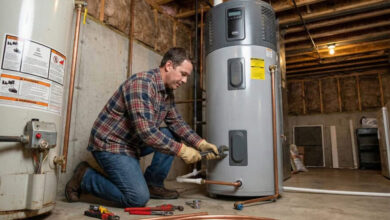
Pool heaters allow water temperature to be adjusted according to user preferences and seasonal conditions. Heating equipment can experience problems involving ignition, electrical connections, sensors, heat exchangers, water flow, or control systems. A heater that repeatedly shuts down, fails to reach the desired temperature, or produces unusual operating behavior should be inspected rather than repeatedly restarted. Pool equipment repair involving heating systems can require specialized knowledge because these units may combine electrical, gas, water, and temperature-control components. Professional assessment is particularly important when the problem involves fuel, combustion, electrical wiring, or internal safety controls.
Checking Electrical Components
Many pool equipment systems depend on electricity, including pumps, heaters, automation controls, lighting, and other accessories. Electrical problems can cause equipment to shut down unexpectedly, operate intermittently, or fail to start. Loose connections, damaged wiring, faulty switches, worn components, and control-system problems can all affect performance. Pool equipment repair involving electrical components should be handled carefully because water and electricity create serious safety concerns. Property owners should avoid attempting unfamiliar electrical work and should use qualified professionals when diagnosis or repair requires opening electrical equipment, testing circuits, or replacing electrical components.
Inspecting Valves and Plumbing Connections
Valves control the direction and movement of water throughout the pool circulation system. If a valve becomes damaged, stuck, or incorrectly positioned, water may not travel through the intended equipment. Plumbing connections can also develop leaks because of aging seals, loose fittings, pressure changes, or material deterioration. Pool equipment repair may involve replacing valve components, renewing seals, tightening suitable connections, or correcting damaged plumbing sections. Regular inspection of visible connections can help identify dripping water, unusual pressure changes, or other signs of a developing problem before the issue affects the performance of the entire circulation system.
Dealing With Water Pressure Problems
Water pressure provides useful information about how a pool circulation system is functioning. Pressure that is unusually high may indicate a clogged filter, restricted return line, blocked component, or another obstruction. Low pressure can sometimes be associated with a clogged pump basket, air entering the system, inadequate water levels, or a problem affecting the pump’s ability to move water. Pool equipment repair should address the cause of unusual pressure rather than simply adjusting the system without investigation. Comparing pressure readings with the equipment manufacturer’s recommended operating range can provide useful information when troubleshooting circulation problems.
Preventing Equipment Overheating
Pumps and other mechanical components can generate heat during operation, particularly when they are running for extended periods. Overheating may occur because of restricted airflow, mechanical resistance, electrical problems, inadequate water flow, or worn internal components. Repeated overheating can shorten equipment life and increase the risk of serious failure. Pool equipment repair may involve checking the motor, ventilation, seals, bearings, water flow, and electrical supply to determine why temperatures are becoming excessive. Equipment should not be repeatedly operated under abnormal conditions because continuing to run a malfunctioning component can increase the extent of damage.
Maintaining Proper Water Circulation
Good circulation is essential for distributing treated water throughout the pool and ensuring that filtration equipment receives a consistent flow. Poor circulation can result in stagnant areas, uneven chemical distribution, and reduced filtration effectiveness. Circulation problems may be caused by pump issues, blocked lines, incorrect valve positions, clogged filters, or air entering the system. Pool equipment repair can help restore proper movement when mechanical or plumbing problems interfere with normal circulation. Regularly checking the return flow and observing changes in pump performance can help property owners identify potential circulation problems before they become severe.
Understanding Air in the Circulation System
Air entering a pool circulation system can create unusual sounds, bubbles, reduced water flow, or inconsistent pump performance. Air may enter through loose connections, damaged seals, low water levels, or other points on the suction side of the system. If air remains trapped in the circulation equipment, the pump may struggle to operate efficiently and could experience additional stress. Pool equipment repair may involve locating the source of the air leak, correcting the connection, replacing damaged seals, or addressing another underlying issue. Identifying the entry point is important because simply removing visible air may not solve the problem if the source remains active.
Taking Care of Automatic Controls
Modern pools may use automated controls to manage pumps, heaters, lighting, sanitation systems, and schedules. Automation can improve convenience, but control equipment can also experience communication problems, sensor faults, software issues, or electrical failures. When automated equipment behaves unexpectedly, the problem may involve the controller rather than the mechanical component it operates. Pool equipment repair may require checking connections, sensors, control panels, timers, and communication between components. Maintaining accurate settings and inspecting control equipment periodically can help identify issues before they disrupt normal pool operation.
Preventing Corrosion and Moisture Damage
Pool equipment is exposed to water, humidity, chemicals, and changing environmental conditions, making corrosion an important maintenance concern. Metal components, electrical connections, fasteners, and equipment housings can deteriorate when exposed to excessive moisture or chemical residue. Corrosion may eventually weaken components or interfere with electrical connections. Pool equipment repair can address damaged parts, but prevention is equally important. Keeping equipment areas appropriately ventilated, correcting water leaks quickly, and maintaining suitable chemical balance can help reduce unnecessary exposure to conditions that may accelerate corrosion.
Importance of Regular Equipment Cleaning
Cleaning is an essential part of pool equipment maintenance because dirt and debris can interfere with normal operation. Pump baskets should be checked and cleared when necessary, filters should be maintained according to their design, and surrounding equipment areas should be kept free of unnecessary debris. Dirty components can increase resistance, reduce water flow, and place additional strain on motors. Pool equipment repair is often less necessary when routine cleaning and inspection are performed consistently. A maintenance schedule can help ensure that small cleaning tasks do not get overlooked and that equipment continues operating under suitable conditions.
Knowing When Professional Assistance Is Needed
Some maintenance tasks are straightforward, but complicated equipment problems may require professional diagnosis. Issues involving electrical wiring, gas-powered heaters, internal pump components, pressure abnormalities, or major plumbing problems can involve safety risks and specialized equipment. Pool equipment repair performed by an experienced technician can help identify the actual cause of a malfunction instead of replacing components unnecessarily. Property owners should consider the technician’s experience, communication, diagnostic approach, repair methods, and warranty information when selecting professional assistance. Proper diagnosis is particularly important when several equipment components appear to be affected simultaneously.
Reducing Unexpected Repair Costs
Preventive maintenance can help reduce the likelihood of sudden equipment failure. Replacing worn seals, cleaning filters, checking baskets, inspecting connections, and monitoring equipment performance can all help identify developing problems. Pool equipment repair is generally easier when a damaged component is addressed before it causes additional stress to connected equipment. Keeping records of maintenance, repairs, replacement parts, and unusual symptoms can also help identify recurring problems. A proactive approach allows property owners to plan maintenance rather than waiting until a critical component stops working completely.
Choosing Replacement Parts Carefully
When a pool component needs to be replaced, selecting compatible parts is important for maintaining safe and efficient operation. Components should match the equipment’s specifications, dimensions, electrical requirements, and operating conditions. Using unsuitable parts may cause poor performance or create additional problems. Pool equipment repair should therefore include careful verification of replacement components before installation. Manufacturers’ documentation and qualified professional advice can be useful when determining whether a particular part is compatible with the existing equipment. Correct parts can help restore the system without creating unnecessary compatibility issues.
Creating a Long-Term Maintenance Plan
A regular maintenance plan can help extend the useful life of pool equipment and improve overall system reliability. The plan can include routine inspections, filter maintenance, pump basket cleaning, pressure checks, plumbing inspections, electrical assessments, and seasonal equipment reviews. Pool equipment repair can then be used when inspections identify problems that require specialized attention. Keeping equipment clean and operating within recommended conditions can reduce unnecessary stress on motors, filters, heaters, and other components. A structured maintenance routine also makes it easier to recognize changes in performance because the equipment’s normal operating behavior is already familiar.
Final Thoughts
Pool equipment plays an essential role in keeping swimming water circulating, filtered, heated, and properly managed. Pumps, filters, heaters, valves, plumbing, electrical components, and automated controls all need to work together for the system to perform effectively. Pool equipment repair can restore damaged or malfunctioning components and help prevent small issues from developing into more serious equipment failures. Regular inspections, proper cleaning, suitable replacement parts, and professional assistance when needed can all contribute to longer equipment life. By paying attention to warning signs and maintaining equipment consistently, pool owners can support reliable operation and create a more efficient and enjoyable swimming environment.