
Lighting plays an important role in how a space looks, feels, and functions throughout the day and night. A well-designed lighting system can improve visibility, highlight architectural features, support everyday activities, and create a more comfortable environment. Older fixtures may consume unnecessary energy, produce uneven illumination, or require frequent maintenance, making an upgrade a practical improvement for many properties. Lighting upgrades can involve replacing outdated bulbs, installing modern fixtures, improving controls, adding task lighting, or redesigning an entire lighting system. Careful planning is important because the right combination of fixtures, brightness, color temperature, controls, and placement can make a significant difference in both appearance and performance.
Understanding the Purpose of Modern Lighting
Before beginning a lighting project, it is useful to understand what the existing system does well and where improvements are needed. Some spaces may suffer from dark areas, excessive glare, poor task visibility, or inefficient fixtures. Other spaces may simply need a more modern appearance or better control over brightness. Lighting upgrades should be planned around the activities performed in each area rather than based only on the appearance of individual fixtures. A kitchen, office, hallway, bedroom, retail area, and outdoor space can all require different lighting approaches. Identifying the purpose of each area makes it easier to choose suitable fixtures and create a balanced overall design.
Evaluating Existing Fixtures
A successful improvement project usually begins with an assessment of the current lighting system. Fixtures, bulbs, switches, wiring, controls, and mounting locations should be reviewed to identify outdated or inefficient components. Lighting upgrades may be more effective when the entire system is considered rather than replacing bulbs without examining fixture placement or control methods. Existing fixtures can sometimes be reused if they are compatible with modern lamps, while other situations may require complete replacement. Checking the age and condition of the electrical components can also help identify potential safety concerns before new equipment is installed.
Choosing Energy-Efficient Lighting
Energy efficiency is one of the most common reasons for upgrading lighting systems. Modern lighting technologies can provide useful illumination while consuming less electricity than many older alternatives. LED technology is widely used because it can offer long operating life, lower energy consumption, and a range of color and brightness options. Lighting upgrades that incorporate efficient fixtures may help reduce electricity use and decrease the frequency of bulb replacement. However, efficiency should not be considered separately from light quality, fixture design, operating schedules, and control systems. A well-planned system balances energy performance with the practical requirements of the space.
Selecting the Right Color Temperature
Color temperature can significantly affect how a room appears and how comfortable it feels. Warmer light can create a relaxed atmosphere, while cooler light may provide a more energetic or focused appearance. Neutral lighting can offer a balanced option for areas where accurate visibility is important without creating an overly warm or cool environment. Lighting upgrades provide an opportunity to choose color temperatures that suit specific activities and design goals. Consistency is also important because using dramatically different color temperatures in connected spaces can create an uneven visual experience. The ideal choice depends on the purpose, finishes, furnishings, and desired atmosphere of each area.
Improving Task Lighting
General illumination may not always provide enough light for detailed activities such as reading, cooking, crafting, working, or preparing materials. Task lighting places additional illumination where specific activities take place, reducing the need to make an entire room excessively bright. Lighting upgrades can include under-cabinet fixtures, desk lamps, focused ceiling fixtures, vanity lighting, or adjustable directional lights. Proper task lighting can improve visibility while reducing shadows that interfere with detailed work. The placement and angle of the fixture are important because even a bright light may be ineffective if it creates glare or casts shadows directly over the work surface.
Adding Ambient and Accent Lighting
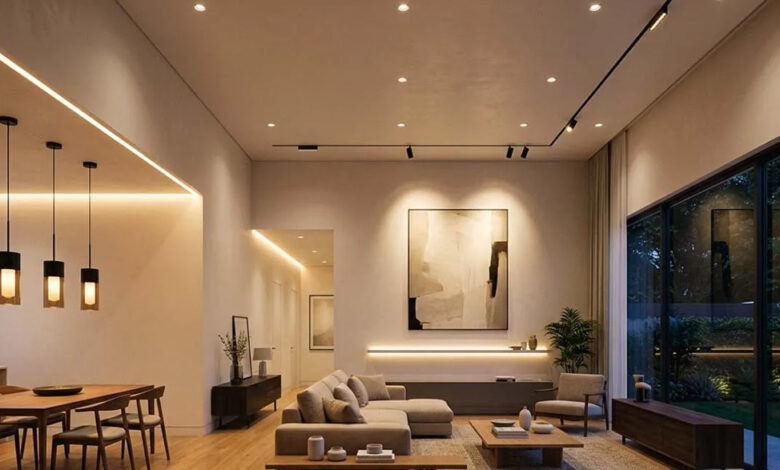
Ambient lighting provides the general illumination of a space, while accent lighting is used to highlight particular features. Architectural details, artwork, shelving, display areas, plants, textured surfaces, and decorative elements can all benefit from carefully positioned accent fixtures. Lighting upgrades can combine ambient, task, and accent lighting to create layers rather than relying on a single central fixture. Layered lighting provides greater flexibility because different combinations can be used depending on the activity or time of day. It can also add depth and visual interest without requiring excessive brightness throughout the entire space.
Understanding Smart Lighting Controls
Modern lighting systems can offer much more control than traditional switches. Dimmers, timers, motion sensors, occupancy sensors, programmable controls, and connected lighting systems can help users adjust illumination according to changing needs. Lighting upgrades that include smart controls can improve convenience and potentially reduce energy use by limiting unnecessary operation. Sensors can automatically turn lights on when an area is occupied and off after it becomes vacant. Dimmers can provide different brightness levels for different activities. When selecting controls, compatibility between fixtures, lamps, switches, and control equipment should be considered carefully.
Improving Safety and Visibility
Adequate lighting is important for reducing visibility-related hazards. Dark hallways, stairs, entrances, pathways, work areas, and storage spaces can be difficult to navigate when illumination is insufficient. Lighting upgrades can improve visibility in areas where people move frequently or perform tasks that require attention to detail. Emergency lighting and appropriate exit illumination may also be important depending on the type of property and applicable safety requirements. Fixtures should be positioned to minimize shadows and glare while providing consistent illumination. Improving visibility can make everyday movement more comfortable and help create a safer environment.
Planning Fixture Placement
The position of a light fixture can be just as important as the fixture itself. A high-quality lamp may still provide poor results if it is installed too far from the area requiring illumination or positioned at an unsuitable angle. Lighting upgrades should therefore consider ceiling height, room dimensions, furniture placement, work surfaces, architectural features, and natural light. Multiple smaller fixtures can sometimes provide more balanced illumination than a single powerful fixture. Proper spacing can reduce dark areas and prevent excessive brightness in one part of a room. Planning placement before installation can also reduce the need for costly adjustments later.
Considering Natural Light
Natural daylight can significantly affect how artificial lighting is perceived and used. Spaces with large windows or strong daylight may require less artificial illumination during certain hours, while interior areas may depend heavily on electric lighting. Lighting upgrades can complement natural light by providing adjustable illumination that changes according to the time of day. Automated controls and dimming systems can help reduce unnecessary artificial lighting when daylight is sufficient. At the same time, artificial lighting should provide reliable illumination when natural light decreases. Considering both sources together can create a more comfortable and efficient lighting environment.
Reducing Glare and Harsh Shadows
Excessive brightness can be just as problematic as insufficient illumination. Glare from exposed bulbs, reflective surfaces, computer screens, polished materials, or poorly positioned fixtures can cause discomfort and reduce visibility. Lighting upgrades should take glare control into account when selecting fixture designs and installation positions. Diffusers, shades, indirect lighting, adjustable fixtures, and appropriate brightness levels can all help create a more comfortable environment. Shadows should also be considered because strong directional lighting can create dark areas behind objects or work surfaces. Balanced illumination generally produces a more usable and visually comfortable space.
Choosing Durable Fixtures
Lighting fixtures are available in a wide range of materials, designs, and construction qualities. The right choice depends on the environment where the fixture will be installed. Areas exposed to moisture, dust, heat, or frequent contact may require fixtures designed specifically for those conditions. Lighting upgrades should prioritize durability as well as appearance because a visually attractive fixture may not be suitable for a demanding environment. Selecting appropriate products can reduce maintenance requirements and extend the useful life of the system. Product specifications should be reviewed carefully to ensure that fixtures are suitable for their intended application.
Maintaining Electrical Safety
Lighting improvements often involve electrical components, so safety should remain a central consideration throughout the project. Wiring, switches, junction boxes, circuits, and fixtures need to be compatible with the electrical system. Lighting upgrades that involve new wiring or changes to circuits may require qualified electrical work rather than simple fixture replacement. Damaged wires, loose connections, overheating components, or signs of electrical deterioration should be addressed before new fixtures are installed. Following appropriate electrical standards and manufacturer instructions can help reduce the risk of faults. Professional assistance is especially valuable when the project involves complex wiring or unfamiliar electrical equipment.
Planning Installation Carefully
Installation planning helps ensure that a lighting project produces the intended result without unnecessary disruption. Fixture dimensions, mounting locations, wiring routes, switch positions, control requirements, and ceiling or wall conditions should all be considered before work begins. Lighting upgrades can sometimes reveal hidden issues, such as outdated wiring or inadequate mounting support, so allowing room in the project plan for unexpected conditions is useful. A detailed installation plan can also reduce mistakes and help ensure that fixtures are positioned consistently. Testing the system after installation is important to confirm that brightness, controls, and fixture operation meet expectations.
Managing Maintenance Requirements
Even efficient lighting systems require occasional maintenance. Dust can accumulate on fixtures and reduce the amount of light reaching a space, while components can eventually wear out or require replacement. Lighting upgrades may reduce maintenance frequency, particularly when long-lasting technologies are used, but routine inspection remains important. Fixtures should be cleaned according to their material and design, while damaged components should be replaced when necessary. Controls and sensors should also be checked periodically to ensure they respond correctly. Keeping maintenance records can help property owners identify recurring issues and plan future improvements.
Considering Long-Term Costs
The initial price of a lighting project is only one part of its overall cost. Energy consumption, replacement frequency, maintenance requirements, installation complexity, and expected service life can all influence long-term expenses. Lighting upgrades should therefore be evaluated based on total performance rather than purchase price alone. A more efficient fixture may have a higher initial cost but lower operating expenses over time. Similarly, durable components may reduce future replacement and labor costs. Considering these factors can help create a lighting system that provides useful performance without creating unnecessary ongoing expenses.
Avoiding Common Lighting Mistakes
Several common mistakes can reduce the effectiveness of a lighting improvement project. Installing fixtures without considering the purpose of the space can result in excessive brightness, inadequate task illumination, or poor visual balance. Using incompatible controls can also create operational problems. Lighting upgrades should be based on the complete system rather than individual products selected independently. Another common issue is overlooking maintenance access, making future servicing unnecessarily difficult. Planning fixture placement, control compatibility, brightness requirements, and maintenance needs in advance can help avoid these problems and produce a more reliable result.
Knowing When Professional Help Is Appropriate
Some lighting projects are simple enough for basic fixture replacement, while larger projects may involve electrical modifications, new circuits, multiple controls, or extensive rewiring. Lighting upgrades involving significant electrical work should be approached carefully and may require qualified professionals. Experienced installers can evaluate the existing electrical system, determine compatibility, plan wiring routes, and install equipment according to applicable requirements. Professional assistance can also be useful when a project involves complex automated controls or specialized fixtures. A careful installation can improve reliability and reduce the likelihood of problems caused by incorrect connections or unsuitable components.
Creating a Long-Term Lighting Plan
A lighting system should be viewed as part of the overall design and functionality of a property rather than as a collection of unrelated fixtures. Future needs should be considered when planning improvements, particularly if rooms may change purpose or furniture layouts may be modified. Lighting upgrades can be designed with flexibility by incorporating dimmers, adjustable fixtures, multiple control zones, and adaptable mounting positions. A long-term plan can also make future expansion easier because compatible equipment and wiring can be selected from the beginning. Thoughtful planning helps ensure that the lighting system continues to meet changing requirements over time.
Final Thoughts
A carefully planned lighting system can improve visibility, comfort, efficiency, appearance, and everyday functionality. Lighting upgrades provide an opportunity to replace inefficient fixtures, improve task illumination, reduce glare, introduce modern controls, and create a more balanced environment. Successful results depend on more than simply selecting attractive fixtures because placement, brightness, color temperature, wiring, controls, maintenance, and long-term operating costs all matter. Regular inspection and appropriate maintenance can help preserve performance after installation. By evaluating existing conditions, selecting suitable equipment, planning carefully, and using qualified assistance when necessary, property owners can create a lighting system that remains practical, efficient, and comfortable for years to come.