
A properly designed gutter system is an important part of protecting a building from water-related problems. Rainwater that falls onto a roof needs to be directed away from walls, windows, doors, foundations, landscaping, and other vulnerable areas. Without an effective drainage system, water can collect around the property and contribute to problems such as soil erosion, staining, moisture damage, and foundation concerns. Gutter installation provides a practical way to collect and direct rainwater away from the structure. Understanding the materials, design choices, installation process, maintenance requirements, and warning signs can help property owners make informed decisions about their drainage systems.
Understanding the Purpose of a Gutter System
Gutters are designed to collect rainwater as it flows from the roof and guide it toward designated drainage points. Downspouts then carry the collected water away from the building so that it does not continuously fall directly beside exterior walls or the foundation. A properly functioning system can help control the flow of rainwater and reduce the risk of water accumulating in unwanted areas. Gutter installation should therefore be considered part of a property’s overall water-management strategy rather than simply an exterior appearance project. Choosing an appropriate system requires attention to roof design, water flow, building structure, and drainage requirements.
Why Proper Planning Matters
Planning is one of the most important stages of installing a gutter system because the design needs to match the structure. Roof size, roof pitch, drainage points, fascia condition, downspout locations, and expected rainfall can all influence the design. Poor planning may result in insufficient drainage capacity, improperly positioned downspouts, or gutters that do not maintain the correct slope. Gutter installation should begin with a careful assessment of the roofline and surrounding drainage conditions. Taking time to plan the system can help reduce installation problems and improve the effectiveness of the finished drainage setup.
Choosing the Right Gutter Material
Gutters are available in several materials, and each option has different characteristics, maintenance requirements, and appearance. Common choices include aluminum, steel, copper, and certain types of durable synthetic materials. Aluminum is widely used because it is relatively lightweight and can be available in various colors and styles. Steel can provide strength, while copper is often selected for its distinctive appearance and long-term characteristics. During gutter installation, property owners should consider factors such as durability, maintenance, appearance, budget, and compatibility with the existing roof and exterior materials before selecting a suitable option.
Considering the Size of the Gutters
Gutter size is another important factor because the system needs to handle the amount of water flowing from the roof. A gutter that is too small may struggle during heavy rainfall, potentially causing water to overflow over the sides. Larger systems may be appropriate for roofs with substantial surface areas or configurations that collect significant amounts of rainwater. Gutter installation should take into account the roof area, slope, drainage requirements, and number of downspouts needed to manage water effectively. Selecting the appropriate size can help improve water flow and reduce the likelihood of overflow during periods of heavy rain.
Understanding Roof Design
The design and shape of a roof can significantly affect how rainwater moves toward the gutters. Roof sections with different slopes, valleys, extensions, or architectural features may direct water toward specific points along the roofline. These areas may require careful planning to ensure that the gutter system can manage concentrated water flow. Gutter installation should account for the way water naturally travels across the roof instead of treating every section of the building as identical. A system designed around the roof structure can provide more reliable drainage and reduce the possibility of water collecting in problematic locations.
Maintaining the Correct Slope
Gutters need a slight slope so that water can move toward the downspouts rather than remaining stagnant inside the channel. If the slope is insufficient, water may pool in certain sections and contribute to dirt buildup, corrosion, or overflow. If the slope is excessive, the appearance of the gutter line may be affected and water may move unevenly through the system. Gutter installation requires careful positioning of brackets, hangers, and gutter sections to maintain a suitable drainage angle. Proper alignment helps ensure that rainwater moves efficiently toward the designated outlets and reduces unnecessary stress on the gutter system.
Positioning Downspouts Effectively
Downspouts are essential because they provide the route through which collected water leaves the gutter channel. Their location should be planned according to the roof design, gutter layout, and areas where water can be safely discharged. Too few downspouts may cause gutters to become overwhelmed during heavy rainfall, while poorly positioned outlets may direct water toward areas that should remain dry. Gutter installation should include a thoughtful downspout layout that supports efficient drainage throughout the roofline. Extensions or other drainage solutions may also be useful when water needs to be carried farther away from walls and foundations.
Protecting the Building Foundation
One of the major purposes of a gutter system is to prevent excessive amounts of roof water from being deposited directly beside the building. When water repeatedly collects near the foundation, it can contribute to soil erosion, damp conditions, and other moisture-related concerns. A properly designed drainage system helps move water away from these vulnerable areas. Gutter installation can therefore play an important role in protecting the lower parts of a building from unnecessary exposure to concentrated rainwater. Proper downspout discharge is especially important because even a well-installed gutter can create problems if the collected water is released too close to the structure.
Preparing the Roofline
Before installing new gutters, the condition of the roof edge and supporting surfaces should be inspected. Damaged fascia boards, loose materials, rotting wood, or other structural concerns may need to be addressed before new gutter sections are attached. Installing gutters over damaged supporting surfaces can reduce stability and may lead to problems later. Gutter installation should therefore include an assessment of the areas where brackets and hangers will be secured. Completing necessary repairs before installation can provide a stronger foundation for the new system and help improve its long-term performance.
Selecting Suitable Hangers and Fasteners
Gutters depend on secure hangers, brackets, screws, and other fastening components to remain attached to the building. These components need to be appropriate for the gutter material and the supporting structure. Fasteners that are incorrectly spaced or poorly secured can allow sections to sag, pull away from the fascia, or lose their intended slope. Gutter installation requires careful attention to fastening points so that the entire system can support the weight of water and accumulated debris. Properly installed supports can help maintain alignment and reduce the likelihood of structural movement over time.
Considering Seamless Gutter Options
Traditional gutter systems may consist of several individual sections joined together along the roofline. Each connection creates another point where leaks could potentially develop if joints become damaged or seals deteriorate. Seamless gutters are produced in longer sections and can reduce the number of joints required along many rooflines. Gutter installation using seamless sections can provide a cleaner appearance while reducing the number of connection points that require attention. However, the suitability of seamless systems depends on the building design, available materials, installation requirements, and the preferences of the property owner.
Preventing Clogs and Debris Buildup
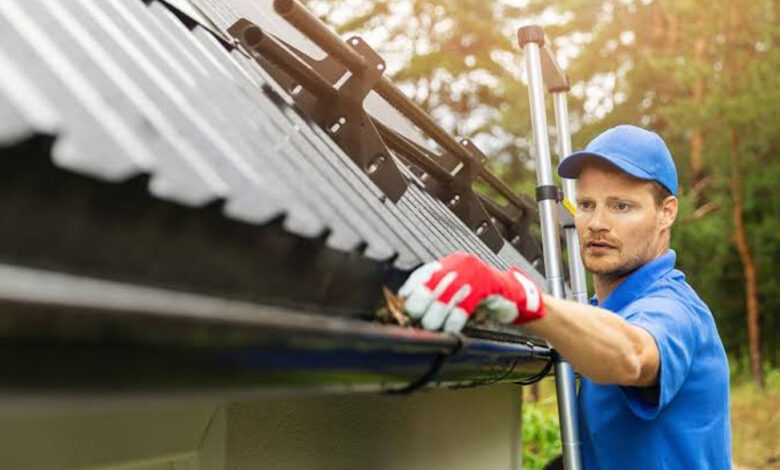
Leaves, twigs, dirt, roof particles, and other debris can accumulate inside gutters over time. When this material blocks the flow of water, rainfall may overflow rather than reaching the downspouts. Clogged gutters can also become heavier and place additional stress on brackets and supporting structures. Regular cleaning is therefore an important part of protecting the system after installation. Gutter installation can be complemented by a maintenance schedule that removes accumulated debris and checks the condition of the channels, joints, fasteners, and downspouts. Consistent maintenance can help keep water moving efficiently through the system.
Considering Gutter Guards
Gutter guards are designed to reduce the amount of leaves and other debris that enter gutter channels. Different types of guards use different designs, including screens, covers, mesh, and other filtering approaches. They can reduce the frequency of manual cleaning in some situations, although they do not necessarily eliminate maintenance entirely. When planning gutter installation, property owners can consider whether gutter guards are appropriate for their surrounding environment and roof design. The right option should allow sufficient water to enter the gutter while reducing the amount of debris that reaches the channel and downspout.
Maintaining the System Regularly
Even a high-quality gutter system requires periodic inspection and maintenance. Property owners should look for signs of sagging, loose fasteners, cracks, holes, rust, separated joints, and blockages. Downspouts should also be checked to ensure that water can pass through them without obstruction. Gutter installation provides the foundation for an effective drainage system, but long-term performance depends on how well the system is maintained. Regular inspections can help identify minor issues before they develop into larger problems that require more extensive repairs or replacement.
Recognizing Signs of Gutter Problems
Several visible signs may indicate that a gutter system is not functioning properly. Water overflowing from the sides during rainfall, sections that appear to sag, peeling exterior finishes near the roofline, water stains, and pooling around downspouts can all warrant further inspection. Plants or weeds growing inside gutters may also indicate that debris and moisture have accumulated for an extended period. After gutter installation, property owners should remain alert to these warning signs and address problems promptly. Early attention can help maintain effective drainage and reduce the likelihood of water-related damage.
Improving Exterior Appearance
Gutters serve a practical purpose, but they can also influence the appearance of a building. Gutter profiles, colors, materials, and downspout placement can complement the roof, siding, trim, and other exterior features. A properly aligned system can create a clean and finished appearance along the roofline. Gutter installation should therefore consider both function and visual integration with the building’s exterior. Choosing a suitable style and color can help the drainage system blend with the property while still providing the necessary protection from rainwater.
Working With Qualified Professionals
Installing a gutter system requires accurate measurements, proper alignment, suitable fastening, and an understanding of how water moves across the roof. Professional assistance can be particularly useful for buildings with complex rooflines, multiple levels, unusual architectural features, or difficult access. Gutter installation performed by experienced professionals can help ensure that sections are properly positioned and downspouts are located where they can effectively discharge water. Property owners should consider the provider’s experience, materials, workmanship, communication, and warranty information when evaluating professional installation options.
Planning for Long-Term Performance
A gutter system should be viewed as a long-term component of a building’s exterior maintenance plan. Selecting durable materials, installing appropriate supports, providing sufficient drainage capacity, and maintaining the system regularly can all contribute to its useful life. Gutter installation should be approached with future maintenance in mind rather than focusing only on the immediate appearance of the completed project. Property owners should consider how easy the gutters will be to inspect, clean, repair, and replace individual components when necessary. A system that is practical to maintain can provide more reliable performance over the years.
Avoiding Common Installation Mistakes
Several mistakes can reduce the effectiveness of a gutter system. These include insufficient slope, inadequate support spacing, poorly positioned downspouts, incorrect gutter sizing, unsecured joints, and directing water toward vulnerable areas. Ignoring the condition of the fascia or roof edge before installation can also create problems later. Gutter installation should therefore be completed with careful attention to measurements, structural conditions, water flow, and fastening methods. Avoiding common mistakes during the initial installation can reduce the need for repairs and help the system perform more effectively during periods of heavy rainfall.
Final Thoughts
A well-designed gutter system can play an important role in directing rainwater away from a building and protecting vulnerable exterior and foundation areas. Choosing suitable materials, selecting the correct size, maintaining an appropriate slope, positioning downspouts effectively, and securing the system properly are all important parts of the process. Gutter installation should be treated as a combination of careful planning, quality workmanship, and long-term maintenance rather than a simple exterior upgrade. With regular inspections and timely cleaning or repairs, a properly designed system can provide dependable drainage and help protect the building from unnecessary water-related problems for many years.