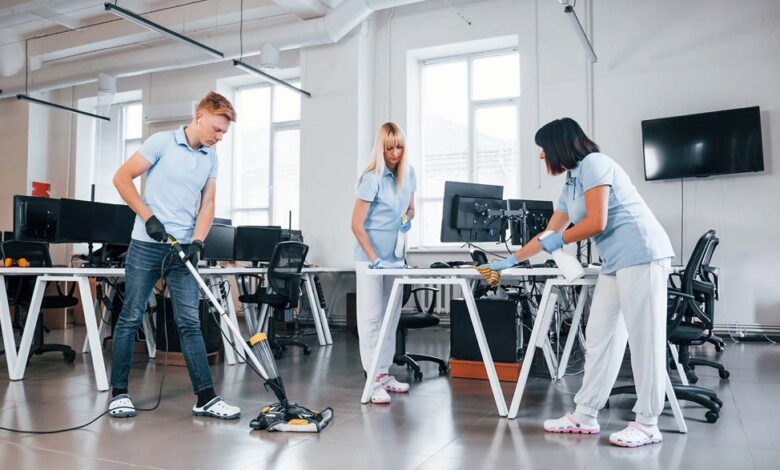

A clean and organized workplace plays an important role in creating a comfortable, professional, and productive environment for employees and visitors. When desks, floors, shared areas, kitchens, washrooms, and meeting rooms are properly maintained, the entire workplace can feel more welcoming and easier to manage. Clutter, dust, waste, unpleasant odors, and dirty surfaces can create unnecessary distractions and may make employees feel uncomfortable during their working hours. Regular office cleaning provides a structured way to maintain workplace hygiene and appearance while supporting a more organized daily environment. Businesses that establish consistent cleaning standards can create surroundings that reflect professionalism and attention to detail.
Understanding the Importance of Workplace Cleanliness
Workplace cleanliness involves more than making an office look attractive. It includes maintaining surfaces, floors, furniture, shared equipment, washrooms, kitchens, and other areas that employees and visitors use regularly. Different areas may require different cleaning schedules because they experience different levels of traffic and usage throughout the day. Office cleaning should therefore be planned according to the specific needs of each workplace rather than following the same routine for every area. A well-organized approach can help ensure that frequently used spaces receive sufficient attention while less frequently used areas are also maintained appropriately.
Creating a Positive First Impression
The appearance of an office can influence how visitors perceive a business when they arrive for meetings, appointments, or other professional activities. Reception areas, entrances, waiting spaces, and conference rooms are particularly important because they are often among the first areas visitors see. Dusty furniture, overflowing bins, dirty floors, or cluttered surfaces can create an impression of poor organization, while clean and orderly surroundings can present a more professional image. Office cleaning can help businesses maintain these visible areas consistently and ensure that they remain ready for employees and visitors. A clean environment can become an important part of a company’s overall presentation and workplace identity.
Supporting Employee Comfort
Employees spend a substantial amount of time in their workplaces, making comfort and cleanliness important parts of the working environment. Dust, clutter, food waste, stains, and unpleasant odors can make a workspace feel less inviting and may distract employees from their responsibilities. Maintaining clean desks, floors, common areas, and facilities can contribute to a more pleasant daily experience. Office cleaning can provide regular attention to areas that employees use throughout the day, including workstations, meeting rooms, kitchens, and shared spaces. While cleanliness alone cannot solve every workplace challenge, a well-maintained environment can support employee comfort and contribute to a more positive atmosphere.
Keeping Workstations Organized
Individual workstations can become cluttered during busy working days as employees handle paperwork, equipment, food, beverages, and other materials. Businesses can encourage employees to keep personal work areas organized while arranging routine maintenance for floors and accessible surfaces. Removing dust and debris from appropriate areas can help maintain a cleaner environment and protect workplace furniture from unnecessary buildup. Office cleaning routines can complement employee organization by addressing areas that require regular professional attention. An organized workstation can also make it easier for employees to locate documents and equipment, reduce visual distractions, and maintain a more efficient approach to their daily responsibilities.
Maintaining Shared Spaces
Meeting rooms, conference areas, lounges, break rooms, and collaborative spaces often experience heavy use throughout the working day. Employees may eat, drink, hold meetings, move furniture, or use shared equipment in these areas, causing dirt and clutter to accumulate quickly. Tables, chairs, floors, and frequently touched surfaces should therefore receive appropriate attention according to their level of use. Office cleaning can help keep shared spaces prepared for meetings, employee breaks, and collaborative activities. Maintaining these areas regularly can also reduce the amount of time employees need to spend dealing with cleaning tasks and allows them to focus more effectively on their primary responsibilities.
Paying Attention to High-Touch Surfaces
Some workplace surfaces are touched repeatedly by many different people and may require more frequent attention than less-used areas. Door handles, light switches, railings, shared tables, appliance handles, keyboards, phones, and other commonly touched surfaces can accumulate dirt throughout the day. A cleaning schedule should identify these areas and establish appropriate maintenance intervals based on workplace usage. Office cleaning teams can incorporate high-touch surfaces into routine tasks while also maintaining surrounding areas. Consistent attention to frequently handled surfaces can support general workplace hygiene and help businesses maintain a more comprehensive approach to cleanliness rather than focusing only on areas that are visibly dirty.
Maintaining Clean Washrooms
Workplace washrooms require regular and thorough maintenance because they are frequently used by employees and visitors. Toilets, sinks, faucets, mirrors, floors, dispensers, and other fixtures should be cleaned according to an appropriate schedule. Essential supplies such as soap, paper products, and hand-drying materials should also be checked regularly and replenished when necessary. Office cleaning programs should give washrooms sufficient attention because these facilities can have a significant effect on overall workplace comfort. A clean and properly supplied washroom can demonstrate that a business takes workplace standards seriously and is committed to providing employees and visitors with a comfortable environment.
Keeping Kitchens and Break Areas Clean
Kitchen and break areas can become untidy quickly because employees use them for preparing meals, storing food, making beverages, and taking breaks. Food crumbs, spills, packaging, stains, and waste can accumulate on countertops, tables, appliances, and floors if these areas are not maintained regularly. Employees should be encouraged to clean up after themselves, store food appropriately, and dispose of waste in designated containers. Office cleaning can provide additional support by maintaining surfaces, floors, appliances, and other shared areas according to the level of use. A clean break area can make employee rest periods more comfortable and can also help prevent the buildup of food-related dirt and unpleasant odors.
Protecting Floors and Furniture
Floors and furniture are among the workplace assets that experience constant daily use. Employees and visitors walk across floors throughout the day, while chairs, desks, cabinets, and other furniture can accumulate dust and dirt over time. Different materials require different cleaning techniques, so businesses should use suitable methods for carpets, tile, wood, vinyl, upholstery, and other surfaces. Office cleaning professionals can select appropriate products and equipment according to the materials being maintained. Regular care can help preserve the appearance and condition of workplace assets while reducing the likelihood that dirt, stains, or debris will become more difficult to remove later.
Managing Workplace Waste
Effective waste management is another important part of maintaining an organized workplace. Waste bins in kitchens, work areas, meeting rooms, and common spaces can become full quickly, especially during busy periods. Overflowing bins may create unpleasant odors and make an otherwise clean office appear untidy. Businesses should establish clear procedures for removing waste, replacing bin liners, and handling recyclable materials where applicable. Office cleaning schedules can include regular waste removal so that bins are emptied before they become an unnecessary problem. Clear waste management practices can also encourage employees to take greater responsibility for maintaining shared areas.
Improving Indoor Cleanliness
Indoor cleanliness can be affected by dust, dirt, moisture, food particles, and other materials that accumulate on floors, furniture, and surfaces. Carpets can collect particles over time and may require regular vacuuming and periodic deeper maintenance. Upholstered furniture may also need appropriate care depending on its material and frequency of use. Office cleaning routines can address these areas through regular vacuuming, surface maintenance, floor care, and appropriate treatment of furniture. Proper ventilation and building maintenance should work alongside cleaning practices to create a comfortable indoor environment. A comprehensive approach is generally more effective than focusing on visible dirt alone.
Establishing a Reliable Cleaning Schedule
Consistency is essential when maintaining workplace cleanliness. Cleaning only when an area looks visibly dirty can lead to inconsistent standards and allow dirt and clutter to accumulate between cleaning sessions. Businesses can create daily, weekly, and periodic tasks based on the size of the workplace, number of employees, working hours, and level of activity. Office cleaning schedules may include daily waste removal and surface maintenance, regular floor care, washroom cleaning, kitchen maintenance, and periodic deep-cleaning activities. A written schedule can help ensure that important responsibilities are not forgotten and can make it easier to monitor whether workplace standards are being maintained consistently.
Selecting Appropriate Cleaning Products
Different workplace surfaces require different cleaning products and techniques, and using an unsuitable product may damage furniture, flooring, equipment, or fixtures. Businesses should consider the material being cleaned before selecting a product and should follow manufacturer instructions where applicable. Cleaning products should also be stored appropriately and used according to relevant safety guidance. Professional cleaners may have experience identifying suitable products for different materials and workplace environments. A good cleaning strategy focuses not only on removing dirt but also on protecting surfaces and maintaining workplace assets over the long term.
Using Modern Cleaning Equipment
Modern cleaning equipment can improve the efficiency and consistency of workplace maintenance. Professional vacuums, floor-cleaning machines, microfiber materials, specialized brushes, and other tools can help cleaning teams handle different surfaces and areas more effectively. The appropriate equipment depends on factors such as the size of the workplace, flooring types, furniture materials, and frequency of use. Office cleaning providers may use specialized equipment when routine methods are not sufficient for particular surfaces or deeper maintenance tasks. Using suitable equipment can help improve cleaning results while reducing unnecessary effort and allowing cleaning teams to work according to an organized schedule.
Reducing Workplace Disruptions
Cleaning activities should be scheduled carefully so they do not unnecessarily interfere with employees, meetings, customers, or other business operations. Some routine tasks can be completed during working hours, while deeper cleaning may be better scheduled outside normal operating periods. Businesses can coordinate cleaning schedules around employee shifts, meeting times, customer visits, and other important activities. Office cleaning services can often be arranged around operational requirements so that essential maintenance continues without creating avoidable interruptions. Good scheduling allows businesses to maintain high cleanliness standards while keeping the focus on normal workplace activities.
Encouraging Employees to Maintain Cleanliness
A professional cleaning service can maintain many areas of an office, but employees also have an important role in keeping their environment organized. Businesses can encourage good habits by providing accessible waste bins, clear storage areas, suitable kitchen facilities, and simple workplace guidelines. Employees can help by cleaning up after meals, returning shared equipment to its proper place, disposing of waste correctly, and avoiding unnecessary clutter in common areas. Office cleaning becomes more effective when professional maintenance is supported by responsible employee behavior. Creating a culture that values cleanliness can make it easier to maintain consistent standards throughout the workplace.
Protecting Workplace Assets
Regular workplace maintenance can help preserve the condition of furniture, flooring, fixtures, equipment, and other valuable business assets. Dirt and debris can accumulate over time and may contribute to stains, wear, or deterioration if they are not addressed appropriately. Regular cleaning also provides an opportunity to notice maintenance issues such as damaged flooring, leaks, broken fixtures, or areas affected by moisture. Office cleaning should therefore be viewed as part of broader workplace maintenance rather than simply an appearance-related activity. Identifying potential problems early can help businesses address them before they become more complicated or expensive.
Benefits of Professional Cleaning Services
Some businesses may manage basic cleaning tasks internally, while others may prefer professional support because of the size or complexity of their premises. Professional cleaning teams can provide structured schedules, appropriate equipment, trained staff, and experience with different workplace environments. They may also be able to provide specialized services for carpets, floors, furniture, high-use areas, and periodic deep-cleaning requirements. When selecting a cleaning provider, businesses should consider reliability, communication, service scope, pricing, cleaning methods, and flexibility. The right service arrangement should match the practical requirements of the workplace rather than relying on a generic cleaning schedule.
Building a Long-Term Cleaning Strategy
A workplace cleaning strategy should evolve as the business changes. Employee numbers, working schedules, office layouts, facilities, and daily activities can all affect cleaning requirements. A small workplace may require a different schedule from a larger environment with multiple departments and heavily used shared facilities. Businesses should periodically review their cleaning arrangements and identify areas that may require additional attention. Office cleaning can be adjusted according to changing workplace needs, allowing businesses to maintain appropriate standards without wasting resources on unnecessary tasks. Regular evaluation can also help identify recurring problems and create more efficient maintenance routines.
Final Thoughts
Maintaining a clean and organized office requires more than occasional tidying because workplace cleanliness depends on consistency, planning, employee participation, and appropriate maintenance methods. Workstations, meeting rooms, kitchens, washrooms, floors, shared surfaces, and waste areas all require attention according to their level of use. A structured cleaning schedule can help businesses maintain a professional environment while supporting employee comfort and workplace organization. Office cleaning can also contribute to protecting valuable workplace assets and identifying maintenance concerns before they become larger problems. By combining professional cleaning support with responsible employee habits and regular reviews, businesses can create a cleaner, healthier, and more organized workplace that supports productivity and professional standards over the long term.