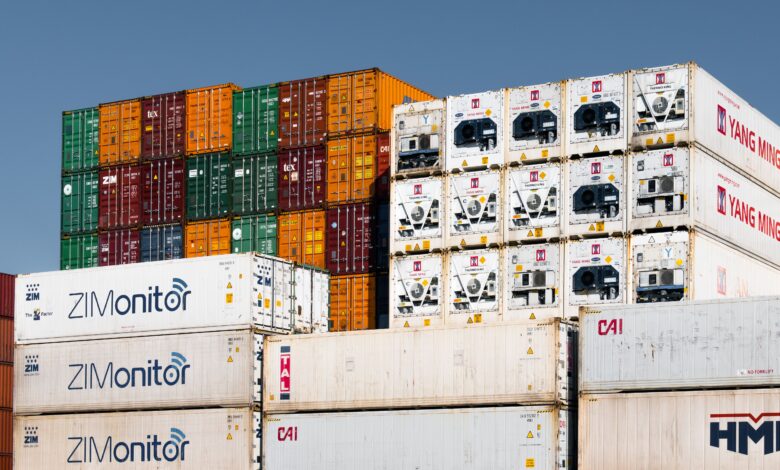

If you run anything that depends on temperature control, refrigeration stops being a background system very quickly. It becomes part of your margins, your timing, and your reputation. From food distribution to pharmaceuticals, cold storage decisions now affect how you buy inventory, manage risk, and respond to demand swings. You’re not just keeping products cold. You’re making operational choices that shape delivery speed, compliance, and customer trust.
Portable refrigerated units solve problems fixed facilities can’t
Traditional cold rooms still matter, but they come with limits. They take planning, permits, capital, and build time. If your challenge is immediate overflow, remote operations, or site-specific storage, fixed infrastructure can feel slow and expensive.
Portable units step into that gap. Businesses use them during harvest peaks, retail surges, shutdown maintenance, emergency replacements, and short-term product launches. A seafood distributor, for example, may need additional frozen storage during holiday ordering windows but not in late winter. A catering company may need chilled inventory space close to a large venue for only a few days.
In cases like that, Cross Cold Storage refrigerated containers fit the conversation as a real operational option, not just backup equipment. The practical appeal comes from mobility, controlled temperature ranges, and the ability to place cold storage closer to the point of use.
Cold storage is now tied directly to business flexibility
A few years ago, many businesses treated cold storage as fixed infrastructure. You built it, leased it, or outsourced it, then worked around its limits. That approach looks dated now. Demand shifts faster, supply chains face more disruption, and inventory cycles can change in a week.
If you sell frozen food, floral products, lab samples, dairy, or temperature-sensitive chemicals, flexibility matters as much as cooling performance. A business with seasonal spikes doesn’t always need a permanent warehouse expansion. It may need temporary refrigerated capacity near a port, distribution yard, event site, or processing facility.
That shift has pushed refrigerated containers into a more strategic role. They let you add cold capacity without committing to a full construction project, which can save time when speed matters more than perfection.
The most important cold storage question is often location
Temperature control gets most of the attention, but location often determines whether a cold chain runs smoothly. If inventory sits too far from processing lines, loading docks, or end-use points, you create handling friction. That friction adds labor time, spoilage risk, and scheduling problems.
Think about a grocery supplier serving multiple metro routes. If your refrigerated inventory is stored in one distant hub, every delivery cycle becomes tighter. If a portable refrigerated container can be positioned at a cross-dock yard or satellite facility, you may cut transfer steps and reduce dwell time.
The same logic applies to construction support, healthcare logistics, agriculture, and hospitality. You’re not only evaluating cubic capacity or temperature setpoints. You’re asking where refrigerated space will remove the most operational drag. Good cold storage planning looks a lot like network design.
Compliance pressure has made refrigeration decisions more technical
You can’t treat refrigerated storage as a simple box with a cooling unit anymore. Industries that rely on temperature integrity operate under stricter quality control, documentation, and traceability expectations. Food safety protocols, pharmaceutical handling standards, and internal audit requirements all push businesses toward tighter process discipline.
That means your storage setup has to support more than product preservation. It needs stable operating conditions, reliable monitoring, and procedures your team can actually follow during busy shifts. A temperature deviation is no longer just a maintenance issue. It can trigger waste, rejected shipments, customer claims, or regulatory trouble.
Even smaller operators are paying closer attention to calibration checks, door-open frequency, product stacking patterns, and alarm responses. The technical side of refrigeration now affects legal exposure and brand reputation. That makes your storage choice part of risk management, not just facilities management.
Energy use and uptime deserve as much attention as rental or purchase cost
A common mistake in cold storage planning is focusing too narrowly on the initial price. You might compare lease rates or purchase quotes and miss the bigger cost picture. The real question is how the unit performs under actual operating conditions.
Energy draw matters, especially if the unit runs continuously through hot weather or high-turnover shifts. Uptime matters even more. If a unit fails during a holiday weekend, the financial damage may dwarf any savings from choosing a cheaper option. Access to service, equipment quality, and fit-for-purpose specs all affect total cost of use.
You should also think about loading habits. A business that opens doors constantly for case picking has different needs than one storing palletized backup inventory. Cold storage works best when equipment selection matches workflow instead of forcing your workflow to adapt poorly.
Different industries use refrigerated containers in very different ways
One reason cold storage planning gets overlooked is that people imagine a single standard use case. In reality, refrigerated containers serve very different business models. A produce operation may use them as field-adjacent pre-cooling support. A beverage distributor may use them for overflow stock near event-heavy zones. A biotech team may need stable temporary storage during facility upgrades.
Restaurants and hospitality groups often use mobile cold storage when walk-ins fail or when festivals, weddings, and tourism peaks strain normal capacity. Disaster recovery teams use refrigerated units when utilities, buildings, or supply routes break down. Even manufacturers use them for ingredients that lose value quickly outside narrow temperature bands.
You get better outcomes when you stop asking, “Do we need more refrigeration?” and start asking, “What exact operating problem are we trying to solve?” That shift usually leads to smarter sizing, better placement, and fewer costly assumptions.
Smart businesses now treat cold storage as a scaling tool
The broader business lesson is simple: infrastructure no longer has to be all-or-nothing. You don’t always need a permanent expansion to handle temporary complexity. In volatile markets, modular capacity can be more useful than bigger fixed assets.
That mindset changes how you plan growth. If you’re entering a new region, testing a product line, or managing a seasonal rush, temporary refrigerated storage can help you scale in stages. You gather real usage data before making larger capital commitments. That reduces guesswork and gives operations teams room to adapt.
Cold storage used to sit in the background until something went wrong. Now it plays a more visible role in inventory strategy, service reliability, and customer experience. If your products depend on controlled temperatures, the smartest move may be treating refrigeration less like a utility and more like a competitive decision.