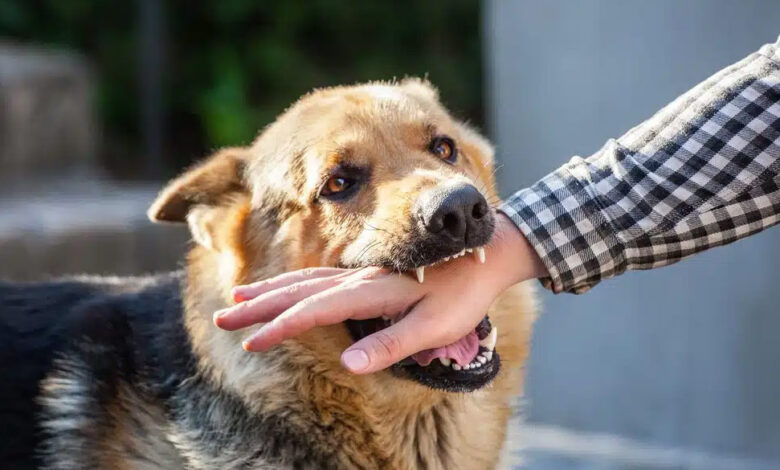

Every summer, Petoskey’s population swells with vacationers, cottage owners, and day-trippers who come for Little Traverse Bay, the downtown shops, and the beaches. Many of them bring their dogs. More dogs in unfamiliar places, around new people and other pets, means more chances for a frightened or excited dog to bite. A walk along the waterfront or a visit to a rental cottage can end with stitches and a long list of questions.
Michigan law gives bite victims real protection, but the details matter, especially when the dog belongs to a visitor, a friend, or someone renting a nearby home. Speaking with experienced dog bite injury lawyers in Petoskey can help victims understand who is responsible and how a claim works. This guide covers where bites tend to happen around town, who can be held responsible, how the dangerous dog process differs from an injury claim, a practical checklist, and answers to common questions.
Where Dog Bites Tend to Happen Around Petoskey
Petoskey is a dog-friendly town, which is part of its charm. But busy outdoor spaces, packed summer events, and a steady stream of visitors create situations where even a well-behaved dog can react badly. Some of the most common settings include:
- Waterfront parks and beaches, such as Bayfront Park, Petoskey State Park, and Magnus Park, where dogs meet strangers, children, and other dogs.
- Trails and paths, including the Little Traverse Wheelway, where cyclists and runners can startle a dog on a long leash.
- Downtown sidewalks and events, where crowds, noise, and food can overwhelm a nervous dog during festivals and holiday gatherings.
- Vacation rentals and cottages, where visiting dogs are in an unfamiliar place and neighbors may not know a dog is staying next door.
- Residential neighborhoods, where loose dogs, broken fences, and open doors put delivery drivers, mail carriers, and walkers at risk.
Children are bitten more often than adults, and their injuries tend to be more serious because bites often land on the face and neck. Older adults face a different risk, since a jumping or lunging dog can knock them down and cause fractures even without a bite.
Owners, Dog Sitters, and Rental Properties
Michigan’s dog bite statute places strict liability on the dog’s owner. If a dog bites someone who did not provoke it and who was on public property or lawfully on private property, the owner can be held responsible even if the dog never bit anyone before. A visitor’s dog is treated the same as a local dog, so a vacationer’s pet that bites someone in Petoskey falls under the same rule.
Things get more complicated when the person in charge of the dog is not the owner. A friend watching a dog for the weekend, a dog walker, or a relative caring for a pet may not fall under the strict liability statute, which focuses on owners. Those people can still be responsible under ordinary negligence rules if they failed to use reasonable care, such as leaving a gate open or taking a dog they knew was aggressive to a crowded beach.
Landlords and rental hosts are usually not responsible for a tenant’s or guest’s dog. In some cases, though, a property owner who knew a dangerous dog was kept on the property and had the ability to remove it or fix a broken fence may share responsibility. In most situations, the claim is paid through the dog owner’s homeowners or renters insurance, not out of anyone’s personal savings.
A Dangerous Dog Case Is Not the Same as an Injury Claim
Many people confuse two very different legal processes. The first is a dangerous animal proceeding, which is about the dog itself. Under MCL 287.322, part of Michigan’s Dangerous Animals Act, a sworn complaint can be filed in district court claiming that a dog is dangerous. The owner is ordered to appear, and after a hearing the court decides what happens to the animal.
The outcomes depend on the facts. If the court finds that the dog is dangerous and caused serious injury to a person, it can order the dog destroyed at the owner’s expense. If the dog is found dangerous but did not cause serious injury, the court may instead order steps to protect the public, such as better fencing or sterilization. In the most serious cases, the owner may also face criminal penalties.
The second process is the civil injury claim, which is about the victim. It seeks money for medical bills, lost wages, scarring, and pain and suffering, usually from the owner’s insurance company. A victim does not need a dangerous dog ruling to bring an injury claim, and a dangerous dog ruling does not pay any of the victim’s bills. Some families are relieved to learn they can recover compensation without asking that the dog be put down.
A Simple Checklist After a Bite in Petoskey
The hours after a bite are stressful, especially if the owner is a visitor who may leave town in a few days. Acting quickly protects both your health and your claim. Here is a short checklist to follow:
- Get medical care right away. Dog bites carry a high risk of infection, and a doctor can clean the wound, check for nerve or tendon damage, and decide whether rabies shots are needed. McLaren Northern Michigan in Petoskey is the main local hospital.
- Get the owner’s information before they leave. Ask for their name, phone number, home address, and insurance details, along with the address where they are staying if they are visiting.
- Confirm the dog’s vaccination status. Ask for proof of the rabies vaccine, since it affects your medical treatment.
- Report the bite. Contact local animal control or the police so there is an official record of the dog, the owner, and what happened.
- Photograph everything. Take pictures of your wounds right away and as they heal, along with torn clothing, the location, and the dog if it is safe.
- Keep a recovery journal. Track pain, sleep, missed work, follow-up visits, and any fear or anxiety, especially for children.
Michigan generally allows three years to file a personal injury lawsuit, with longer timelines for some children. Still, visitors go home, memories fade, and records become harder to collect, so it is best to start early.
Frequently Asked Questions
What if the dog’s owner was only visiting Petoskey for the summer?
You can still bring a claim. Michigan’s dog bite law applies to bites that happen in Michigan, no matter where the owner lives. Many homeowners and renters policies cover the owner’s dog even when they are traveling, so getting their insurance information before they leave town is important.
Can I recover money if a dog knocked me down but did not bite me?
Possibly. Michigan’s strict liability statute covers bites, but injuries from a dog jumping, lunging, or chasing someone can still lead to a claim under negligence rules. Those claims may require proof that the owner knew or should have known the dog was likely to cause harm.
Does my child have a claim if they were bitten while petting the dog?
In many cases, yes. Gently petting a dog with the owner’s permission is not usually considered provocation. The question is whether the child’s actions would have provoked a normal dog, not whether this particular dog reacted badly.
Will filing a claim mean the dog has to be put down?
No. An injury claim seeks compensation for your losses and is separate from any dangerous animal proceeding. A dog is only ordered destroyed through a separate court process after a sworn complaint and a hearing.
How much is a Petoskey dog bite claim worth?
Every case is different. Value depends on the cost of medical care, the size and location of any scars, the need for future surgery, lost income, and the emotional effects of the attack. Facial injuries to children often lead to higher values because of long-term scarring and treatment.
Enjoying Petoskey Safely
Dogs are a big part of life in Petoskey, from morning walks along the bay to summer afternoons at the beach. Most of the time, those moments are happy ones. When a bite does happen, Michigan’s strict liability law, the separate dangerous dog process, and the availability of insurance coverage give victims a clear path forward. Getting medical care, collecting the owner’s details before they leave, and documenting the injury early are the best ways to protect your health and your rights.