
Have you ever wanted to share a story, teach a skill, or talk about a topic you love with people around the world? Starting a podcast may seem hard at first, but you do not need a studio or a large team to begin. A clear idea, simple tools, and a steady plan can help you make a show that people want to hear.
You can learn as you go and improve with each episode. This guide will show you how to plan, record, and share your first podcast with confidence.
Find a Clear Idea for Your Show
Start by choosing a topic you enjoy and can discuss often. Think about what you know, what you like to learn, and what people may want to hear. A focused idea makes it easier to plan podcast episodes and helps listeners understand why they should tune in.
Next, picture the person you hope will listen. Are they new to your topic, busy parents, students, or people who share a hobby? Think about the questions they may ask and the problems they want to solve.
Set a Format You Can Keep Up With
Choose a format that fits your topic and feels natural to you. You might host the show alone, talk with a co-host, interview guests, or tell stories with sound clips. Pick one main style first so your early episodes feel clear and easy to make.
Decide how long each episode should be and how often you will publish. A short show every week may be easier to manage than a long show every few days. Make a simple outline with an opening, a few key points, and a clear ending.
Starting a Podcast With Simple Gear
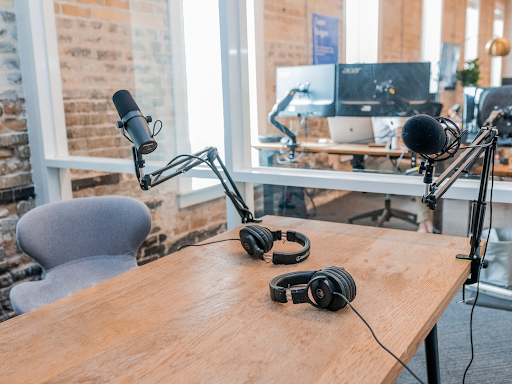
You do not need costly tools to make a good first episode. A USB microphone, headphones, and a computer are enough for many new hosts. Choose a mic that works with your device, and read its setup guide before recording.
Clear sound matters more than fancy gear. Place the mic a few inches from your mouth and speak at a steady level. Use headphones to catch noise, echo, or sounds that may bother listeners.
Record in a quiet room with soft items, such as rugs or curtains, to reduce echo. Turn off fans and phone alerts, and test your sound before each session.
Build a Simple Recording Space
Pick a small room where you can close the door and limit noise. A bedroom or home office may work well if traffic, pets, and other people will not interrupt you. Soft furniture and curtains can help make your voice sound warmer by reducing echoes.
Keep your gear in one place so you can start without a long setup. Set your mic, headphones, notes, and water within reach before you begin.
Use the same room and mic position when possible, since this can help each episode sound alike. A basic podcast setup guide can help you check each part before recording.
Plan Episodes and Record With Care
Make a list of episode ideas before you launch a podcast. Write down the main point for each one and three or four details you want to cover. This gives you a path to follow while leaving room for natural talk.
It also helps you avoid running out of ideas after your first few shows. Before recording, check your mic level and read your opening lines aloud. Speak clearly, pause between ideas, and do not worry if you make a small mistake.
You can stop, take a breath, and repeat a line when needed. Save a copy of each raw recording in a safe folder for later use.
Edit and Prepare Each Episode
Editing helps your show sound clear and easy to follow. Remove long pauses, loud bumps, and parts that do not help the topic. Keep the natural flow of the talk, since too many cuts can make a chat feel less warm.
Add music only when it fits the mood and does not cover your voice. If editing takes too much time, you can learn from skilled teams that offer Podcast editing services. The right support can help clean up sound, shape each episode, and free you to focus on useful content.
Before hiring help, ask to hear samples and agree on the work, cost, and return date. Keep your own copy of every finished file.
Publish Your Show and Reach Listeners
Choose a podcast host that stores your audio and sends it to listening apps. Compare its price, upload limits, support, and tools for tracking plays. Write a short show description that tells people what the podcast covers and who may enjoy it.
Use a clear title and simple cover art that is easy to read on a small screen. Share each new episode where your likely listeners already spend time. You might post a short clip, send an email, or join online groups where your topic comes up.
Ask people what they found useful and what they want to hear next. These podcast tips for beginners can help you grow your first podcast without spending much on ads.
Keep a Steady Schedule and Improve
Choose a release day you can meet, then plan your work around it. Record more than one episode when you have time, so a busy week does not stop your show. A simple calendar can track ideas, guest plans, recording dates, and release dates.
Be honest about what you can manage, and change the schedule if needed. Check your listening data every few weeks to see which episodes get attention. Look at plays, listener reviews, and messages, but do not judge your progress by one number alone.
Try new topics or formats when they serve your audience, and keep what works. The best way to learn how to start a podcast is to publish, listen, and make one small change at a time.
Take Your First Step With Confidence
A strong show begins with one clear idea and a plan you can follow. You do not need perfect gear, a large audience, or expert skills before you begin. Starting a podcast becomes easier when you choose a useful topic, record in a quiet space, and set a steady schedule.
Keep each episode focused, ask listeners what they need, and use their feedback to improve. Take time to learn from each release, and let your style grow as you gain skill. Your first step today can build a show worth hearing.
Did this guide help you? Browse the rest of this section for more advice on a variety of topics.