
It can happen in seconds. Your cat slips out and is hit by a car. Your dog falls, gets stepped on, or is caught in a fight. At first, the obvious injuries get all your attention. You see the limp, the cuts, the shock. Then breathing changes, and that is when the fear really sets in. A pet can look stable after trauma and still have serious trouble building inside the chest. In these moments, prompt evaluation and animal surgery in Fair Oaks CA may be needed.
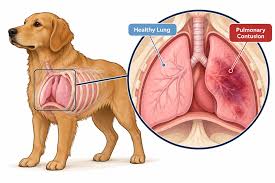
Bruised lungs can complicate a cat or dog’s recovery after trauma because damaged lung tissue does not move oxygen well. The medical term is pulmonary contusions, and they can show up right away or worsen over several hours. That delay is what catches many people off guard. Your pet may seem tired, sore, or quiet, when the real problem is that every breath is becoming harder work.
In a cat and dog animal hospital, this kind of injury is treated as urgent because breathing problems can change fast. Recovery depends on how severe the bruising is, whether there are other injuries, and how quickly your pet gets monitored and supported.
Pulmonary contusions after trauma can be easy to miss at first
A bruised lung is not the same as a bruise you can see on the skin. After blunt trauma, tiny blood vessels inside the lungs can leak, causing bleeding, swelling, and poor oxygen exchange. Your pet may not cough. There may be no dramatic sound. You may just notice faster breathing, shallow breaths, restlessness, or a pet that will not lie down comfortably.
That is part of what makes lung bruising in pets so stressful. The signs can look vague at first, especially when your dog or cat is already shaken, painful, or exhausted. Some pets hide distress well. Cats are especially good at this, which is one reason any change in breathing after trauma deserves quick attention.
If your dog seems to be struggling, Cornell’s guide to recognizing and responding to canine respiratory distress gives a clear overview of warning signs. If you have a cat, Cornell’s feline resource on dyspnea and difficulty breathing explains what distress can look like in cats.
Breathing trouble after an injury affects more than the lungs
When the lungs are bruised, the whole recovery gets harder. Oxygen drives healing. Without enough of it, pain feels worse, stress rises, and the body has less room to recover from broken bones, soft tissue injuries, or internal trauma. A pet that needs surgery may need stabilization first. A pet that seemed ready to go home may need to stay for observation because bruised lungs often worsen during the first 24 to 48 hours.
You may be dealing with several realities at once. You are scared. Your pet may need repeated exams, oxygen support, imaging, pain control, and strict rest. Costs can rise because monitoring matters as much as the first treatment. This is one of those injuries where “wait and see” at home can become dangerous if breathing changes even a little.
Consider a common scenario. A dog is hit by a car and walks into the clinic. That feels like a good sign, and it is better than the alternative, but it does not rule out chest trauma. A few hours later, the dog is breathing faster, gums are paler, and oxygen levels are dropping. The injury did not suddenly appear. It was developing beneath the surface.
Monitoring and supportive care often decide the outcome
There is no simple at home fix for a bruised lung. Treatment usually focuses on oxygen, rest, pain relief, careful monitoring, and managing any related injuries. Some pets need X rays, though early images do not always show the full extent of injury. Veterinarians also watch respiratory rate, effort, gum color, heart rate, and overall comfort. In severe cases, emergency and critical care support is needed. Cornell outlines what that level of care can involve in its emergency and critical care service information.
This is why a general animal hospital for cats and dogs often recommends observation even when your pet seems improved. Improvement can be real and still incomplete. The goal is not just getting through the first hour. It is getting through the period when swelling, bleeding, and fatigue can deepen respiratory distress.
Home observation and hospital care are not equal when bruised lungs are possible
| Situation | Home Observation | Hospital Monitoring |
|---|---|---|
| Breathing changes | May be noticed late, especially during sleep or stress | Tracked closely with repeated checks and faster response |
| Oxygen support | Not available | Available if breathing worsens |
| Pain control | Limited and risky without veterinary guidance | Adjusted based on breathing, comfort, and other injuries |
| Detection of delayed complications | Easy to miss subtle decline | Better chance of catching progression early |
| Stress on pet | Quiet setting may help, but distress can go unseen | More handling, but access to immediate treatment |
Early action can protect a pet with chest trauma
Watch the breathing, not just the injury. Count breaths when your pet is resting. Look for fast breathing, open mouth breathing in cats, stretched neck posture, flared elbows, pale or blue gums, or visible effort with each breath. If you see any of these signs after trauma, seek urgent care.
Keep movement low and stress lower. Carry your pet if possible. Use a flat surface for larger dogs if needed. Do not encourage walking, playing, or eating right away if breathing seems off. Excitement and pain can make oxygen demand rise fast.
Get veterinary evaluation even if your pet seems okay at first. Delayed decline is common with chest injuries. A pet that is alert, standing, or quiet is not automatically safe. A prompt exam at a cat and dog animal hospital gives your pet the best chance of catching trouble before it becomes a crisis.
Prompt care gives your pet the best chance to recover
After trauma, you are making decisions under pressure, often with very little sleep and a lot of fear. That does not mean you are overreacting. Breathing changes deserve attention, and bruised lungs are one reason recovery can turn complicated without much warning.
If your cat or dog has been injured and breathing seems different, seek veterinary care right away. Fast evaluation, careful monitoring, and supportive treatment can make a real difference in how well your pet recovers.