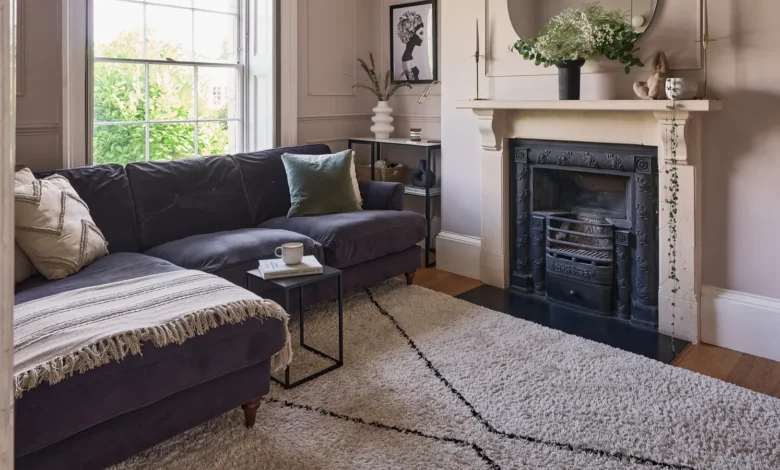

Heating a small room can be tricky when every bit of wall space matters. You need enough warmth to keep the room comfortable, but you also want space for furniture, storage and decoration. A bulky radiator in the wrong position can make the room feel cramped and limit your layout options.
The good news is that several options let you heat a small room without sacrificing valuable space. From choosing a slim radiator to improving heat circulation, a few simple changes can make a real difference.
1. Choose a Vertical Radiator
A vertical radiator is a practical choice when horizontal wall space is limited. Its tall, narrow design uses wall height rather than taking up a large section of the wall.
This can be particularly useful in small bedrooms, narrow hallways, kitchens and home offices. You can use the remaining wall space for a desk, storage unit or other furniture.
Vertical radiators come in different sizes, colours, and finishes. This makes it easier to find a model that suits your room’s style.
However, don’t choose a radiator based on its shape alone. Check its heat output to make sure it can warm the room effectively.
2. Make Better Use of Available Wall Space
Before buying a new radiator, look carefully at your room layout.
A traditional horizontal radiator may take up a large section of wall beneath a window. In some rooms, replacing it with a suitable vertical model could free up space for other furniture.
Think about areas that are often overlooked, such as narrow sections of wall or unused corners. These locations may provide a suitable position for a compact radiator.
Always check the manufacturer’s installation requirements and leave enough room for valves, pipework and maintenance.
3. Consider Slimline Panel Radiators
If you prefer a traditional layout, a slimline panel radiator may be a good option.
Panel radiators have a relatively simple design and are available in various widths and heights. Some models offer a strong heat output without projecting too far into the room.
This can be helpful in narrow hallways or small living rooms where floor space is limited.
Single-panel models are generally slimmer than double-panel alternatives, although they may produce less heat at the same dimensions. Compare the heat output before choosing a model.
4. Keep Furniture Away From the Radiator
Even the right radiator can struggle to heat a room if furniture blocks the airflow.
Large sofas, beds and storage units placed directly in front of a radiator can prevent warm air from circulating freely. This may leave parts of the room feeling colder.
Try to leave a clear gap between the radiator and nearby furniture. Follow the manufacturer’s recommended clearances, as these can vary between models.
If your room is particularly small, consider furniture with a compact design or use wall-mounted storage to keep the floor area open.
5. Use Mirrors and Light Colours
Mirrors and light colours won’t increase a radiator’s heat output, but they can make a small room feel brighter and more spacious.
A well-positioned mirror can reflect natural light, while pale walls and simple decoration can create a more open appearance.
You can also choose a radiator finish that complements the walls. A radiator in a similar colour may blend into the background, while a contrasting finish can turn it into a design feature.
The aim is to make the heating work with the room’s layout rather than dominate it.
6. Improve Insulation and Stop Draughts
Heating a small room becomes easier when it holds on to warmth.
Cold draughts around windows and doors can make a room uncomfortable, even when the radiator is working properly. Check for gaps around window frames, doors and other openings.
Suitable draught-proofing, thicker curtains and improved insulation can help reduce heat loss. If the room has an uninsulated external wall, improving its insulation may also help.
Be careful not to let curtains cover the radiator when the heating is on. This can restrict the movement of warm air into the room.
7. Choose the Right Heat Output
A small room doesn’t always need the smallest radiator available.
The heat output required depends on the room’s dimensions, insulation, window size, ceiling height and the number of external walls.
Radiator output is often measured in BTUs or watts. A correctly sized radiator should provide enough heat to maintain a comfortable temperature without being unnecessarily large.
If you’re unsure what you need, use a reliable heat-output calculator or ask a heating professional to assess the room.
This is especially important if you are switching from a boiler to a heat pump, as the lower water temperatures used by many heat pumps can affect radiator performance.
8. Consider Electric Radiators for Independent Heating
Electric radiators can be useful when you want to heat one small room without changing your central heating pipework.
They are available in compact and vertical designs, making them suitable for home offices, spare bedrooms and other spaces that are not used all day.
Programmable timers and thermostats can help you control when the radiator operates. However, running costs depend on the electricity tariff, the radiator’s power rating and how long you use it.
Before choosing electric heating, compare installation requirements and expected running costs with your existing system.
9. Make Use of Smart Heating Controls
Smart thermostats and programmable radiator controls can help you manage heating more effectively.
For example, you can set a home office to warm up before you start working, then reduce the temperature when you leave. This avoids heating the room unnecessarily.
Thermostatic radiator valves can also help you adjust temperatures in individual rooms, depending on your heating system.
Good controls won’t compensate for an undersized radiator or poor insulation, but they can help you make better use of the heat you already have.
Final Thoughts
Heating a small room doesn’t mean giving up valuable wall space. The right radiator, thoughtful furniture placement and better insulation can help you create a warm and comfortable space without making it feel crowded.
Vertical radiators are worth considering when wall width is limited, while slimline panel radiators can suit rooms where a traditional layout works best. Electric models may also be useful when independent heating is more practical.
Before choosing a radiator, measure the available space and calculate the heat output your room needs. With a little planning, you can make the most of every wall while keeping your home comfortable throughout the colder months.