The Hidden Health Effects of Misaligned Teeth: Why Your Bite Matters More Than You Think

For families and adults in Jeffersonville, Indiana, orthodontic treatment is often associated with achieving a straighter, more attractive smile. However, the position of your teeth can influence much more than appearance. Crowding, spacing, and bite irregularities may affect how comfortably you chew, how effectively you clean your teeth, and how your oral health develops over time.
Understanding these connections can help you recognize when orthodontic care deserves consideration. Whether you’re exploring treatment for yourself or your child, knowing how dental alignment influences everyday health makes it easier to make informed decisions.
Crowded Teeth Can Make Everyday Oral Hygiene More Difficult
Brushing and flossing become more challenging when teeth overlap or sit at unusual angles. Tight spaces can trap food particles and make certain surfaces difficult to reach, even when you maintain a consistent cleaning routine.
Over time, plaque accumulation may increase the likelihood of cavities and gum inflammation. Straightening crowded teeth can improve access for cleaning, although good hygiene remains essential throughout treatment.
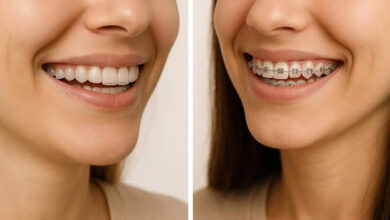
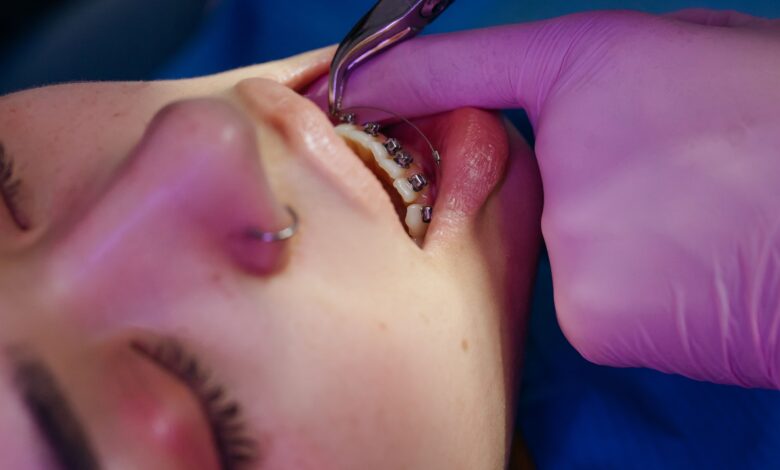
For people experiencing significant crowding or bite problems, traditional braces offer a controlled method of gradually repositioning teeth. If you’re considering braces in Jeffersonville, Indiana, an orthodontic evaluation can help determine whether metal or ceramic braces would be appropriate for your particular alignment concerns.
Treatment planning considers more than appearance. The orthodontist also evaluates tooth positioning, bite relationships, and the long-term stability of the proposed corrections.
An Uneven Bite Can Affect How Comfortably You Chew
Your upper and lower teeth should work together when biting and chewing. When their positions do not align properly, certain teeth may experience greater pressure than others.
An overbite, underbite, or crossbite can sometimes make chewing uncomfortable or inefficient. Some individuals compensate by favoring one side of their mouth, potentially creating uneven patterns of tooth contact.
Orthodontic treatment may improve these relationships by gradually adjusting how teeth meet. However, not every chewing difficulty originates from misalignment, and treatment outcomes depend on the underlying problem.
An orthodontic examination can identify whether tooth positioning contributes to discomfort or whether another dental condition requires attention.
Addressing functional concerns early may also help patients avoid developing habits that make eating less comfortable.
Misalignment May Contribute to Uneven Tooth Wear
Teeth naturally experience wear through everyday chewing. However, irregular contact between opposing teeth can sometimes concentrate pressure on particular surfaces.
Over time, this may contribute to excessive wear, flattened biting edges, or damage to vulnerable teeth. Grinding and clenching can further complicate the situation, particularly when these behaviors occur during sleep.
Orthodontic treatment can improve certain bite relationships, but it does not automatically eliminate grinding or prevent every form of tooth damage.
A dentist or orthodontist may examine existing wear patterns to determine whether misalignment plays a meaningful role.
Understanding the cause is important because protective appliances, restorative treatment, or other approaches may sometimes be needed alongside orthodontic care.
Gum Health Can Be Influenced by Tooth Position
Healthy gums depend heavily on effective plaque removal and consistent professional dental care. When teeth are severely crowded, maintaining clean spaces near the gumline can become more difficult.
Persistent plaque accumulation may contribute to gingivitis, which can cause redness, swelling, and bleeding during brushing.
In certain cases, tooth positioning may also influence how gum tissue responds to pressure or cleaning habits. However, gum recession and periodontal disease have multiple possible causes.
Orthodontic treatment may make some areas easier to maintain, but it cannot replace periodontal treatment when gum disease is already present.
Patients should establish healthy brushing and flossing routines before beginning braces and continue attending regular dental appointments throughout treatment.
Jaw Discomfort Requires More Than a Simple Alignment Check
Jaw clicking, facial discomfort, and difficulty opening the mouth can raise concerns about the relationship between teeth and jaw function.
Although some bite irregularities coexist with these symptoms, the connection is not always straightforward. Temporomandibular disorders can involve muscles, joints, injury, stress-related behaviors, and other contributing factors.
Braces should therefore not be viewed as a guaranteed solution for jaw pain.
A comprehensive assessment helps distinguish orthodontic concerns from problems that may require separate management.
For example, someone experiencing frequent jaw discomfort may benefit from evaluation of muscle tenderness, joint movement, and clenching habits before considering treatment.
Accurate diagnosis matters more than assuming that changing tooth alignment will resolve every symptom.
Childhood Orthodontic Evaluations Can Identify Developing Problems
Children’s teeth and jaws change considerably as they grow. Some alignment concerns become more noticeable when permanent teeth begin replacing primary teeth.
An early orthodontic evaluation can help identify crowding, abnormal bite development, or differences in jaw growth before these problems become more complicated.
The American Association of Orthodontists recommends an initial orthodontic checkup by age seven.
This does not mean every child needs braces at that age. Many children simply require periodic monitoring while their teeth develop.
When early intervention is appropriate, treatment may address specific growth-related concerns or create space for developing teeth.
Parents should also understand that some children will still require comprehensive orthodontic treatment during adolescence, even after earlier intervention.
Adults Can Benefit From Orthodontic Care at Different Life Stages
Orthodontic treatment is not limited to teenagers. Adults may seek care because of longstanding crowding, shifting teeth, bite discomfort, or difficulties maintaining oral hygiene.
Teeth can move gradually throughout adulthood, particularly following tooth loss, periodontal changes, or inconsistent retainer use after previous treatment.
Modern braces provide options for adults who want reliable correction without necessarily choosing removable aligners.
However, treatment planning must account for existing restorations, gum health, and other dental conditions.
Some patients may need periodontal care or restorative treatment before orthodontic movement begins.
A personalized assessment helps determine realistic goals, expected treatment duration, and the most suitable approach for maintaining oral health.
Long-Term Results Depend on What Happens After Braces
Removing braces marks an important milestone, but maintaining the results requires continued attention.
Teeth can gradually shift after orthodontic treatment because of natural aging, surrounding tissues, and other biological factors. Retainers help preserve corrected positions by limiting unwanted movement.
Patients should follow their orthodontist’s instructions regarding retainer wear, cleaning, and replacement.
Regular dental examinations remain equally important because straight teeth can still develop cavities, gum disease, and other oral health problems.
Ultimately, orthodontic treatment should be understood as one part of a broader commitment to dental health. Improving alignment may support more comfortable function and easier hygiene, but lasting benefits depend on appropriate treatment, consistent maintenance, and realistic expectations.
A healthier smile involves more than how teeth look. It also depends on how well they function and how effectively you care for them over time.