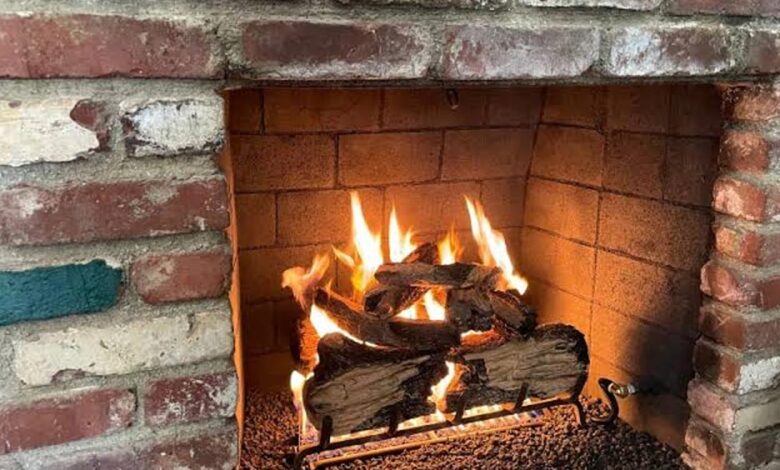

Gas logs have become a popular option for homeowners who want the warmth, appearance, and atmosphere of a traditional fireplace without the daily work associated with burning wood. Modern gas log systems are designed to create realistic flames while providing a convenient and controllable fireplace experience. They are available in many styles, sizes, and configurations, making it possible to find an option that complements different fireplace designs and interior spaces. Although gas logs are convenient, they still require careful planning and professional attention because they involve fuel, combustion, heat, and ventilation. A properly completed gas log installation helps ensure that the fireplace, burner, gas connection, and logs function together as intended.
Understanding Different Gas Log Systems
Before purchasing a gas log set, it is important to understand the different systems available. The two primary categories are vented and vent-free gas logs, and each has its own characteristics and installation requirements. Vented gas logs generally require a properly functioning chimney or flue and are often selected for their realistic flame appearance. Vent-free systems are designed to operate differently and have specific requirements concerning room conditions and operation. The choice should be based on the existing fireplace, available fuel source, manufacturer’s requirements, and the homeowner’s preferences. A professional gas log installation can help determine which type is compatible with the existing fireplace before equipment is purchased.
Selecting the Correct Size
Choosing the correct size is one of the most important steps in planning a gas fireplace project. A log set that is too large may not fit correctly inside the fireplace and could interfere with other components. On the other hand, logs that are too small may leave excessive empty space and fail to create the desired realistic appearance. Measurements should include the width, height, and depth of the fireplace opening, along with the available area for the burner system. These measurements should be compared with the manufacturer’s specifications before making a purchase. During gas log installation, a qualified professional can verify these dimensions and confirm that the selected equipment is suitable for the available space.
Inspecting the Existing Fireplace
An existing fireplace should be inspected before new gas equipment is installed. Fireplaces that have been unused for a long period can develop problems caused by age, moisture, debris, or deterioration. Cracks, damaged components, blocked areas, and other structural concerns should be identified before the system is put into service. If a chimney or flue is involved, it may also need to be examined to determine whether it is suitable for the selected fireplace system. Ignoring existing problems can lead to poor performance or unnecessary repairs later. A professional gas log installation allows potential issues to be identified before the new equipment is placed into regular operation.
Evaluating the Gas Supply
The fuel supply is another essential part of the project. Gas log systems may be designed for natural gas or propane, and the selected equipment must match the available fuel source. The gas line must also provide the appropriate supply for the burner system. An inadequate or improperly configured connection can affect flame performance and may create safety concerns. The shutoff valve should be accessible, and all connections should be completed using components appropriate for the appliance. During gas log installation, the fuel connection can be inspected and tested to make sure it is compatible with the selected equipment and operating requirements.
Considering Ventilation Requirements
Ventilation is particularly important because gas-burning appliances produce combustion byproducts. The ventilation requirements depend on the type of gas log system being used. Vented systems generally depend on an appropriate chimney or flue, while other systems have different operating requirements. Homeowners should always follow the instructions supplied with the equipment and should never block or modify required ventilation components. Proper ventilation is not simply an additional feature; it is an essential part of safe fireplace operation. Correct gas log installation takes these requirements into account from the beginning rather than treating ventilation as an issue to address after the fireplace has already been installed.
Preparing the Burner System
The burner is one of the most important components of a gas fireplace. It controls the distribution of fuel and determines how the flame develops around the logs. Burner systems can vary depending on the model, fuel type, design, and intended application. Some systems use manual controls, while others may include electronic ignition, remote controls, timers, or adjustable flame settings. The burner must be positioned securely and installed according to the manufacturer’s instructions. It should also be compatible with the selected log set. Professional gas log installation ensures that the burner is correctly positioned and connected so that the system can operate properly.
Arranging the Logs Correctly
The placement of gas logs is more important than many homeowners realize. Modern logs are designed to create a realistic appearance, but each piece may have a specific position around the burner. The arrangement affects both the appearance and the movement of the flame. Moving a log into an incorrect position can interfere with combustion or produce unwanted soot and unusual flame behavior. For this reason, homeowners should not rearrange the logs simply to achieve a different visual effect. During gas log installation, the logs should be positioned according to the manufacturer’s specified arrangement so that the decorative components and burner work together correctly.
Connecting and Testing the System
Once the burner and logs have been positioned, the system should be connected and tested carefully. The installer should verify that the gas connections are secure and that the burner receives the correct fuel supply. Ignition should be checked, along with flame behavior, control operation, and other relevant functions. The fireplace should operate according to the characteristics described by the manufacturer. If anything appears unusual, it should be investigated before the fireplace is used regularly. A thorough gas log installation includes testing the completed system and explaining the basic operating procedures to the homeowner.
Learning Proper Fireplace Operation
Homeowners should understand how their fireplace works before using it regularly. Operating procedures vary between systems, so the manufacturer’s instructions should always be reviewed. Users should know how to start and shut down the burner, adjust the flame when applicable, and locate the primary gas shutoff. Controls should not be modified without appropriate guidance, and the burner or log arrangement should not be changed without understanding the manufacturer’s requirements. Keeping the installation and operating documentation in an accessible location can also be helpful if questions arise later.
Maintaining Gas Logs
Gas logs generally require less cleaning than traditional wood-burning fireplaces, but they are not maintenance-free. Dust can accumulate on the logs, burner, decorative materials, and surrounding surfaces. Cleaning should be performed according to the manufacturer’s recommendations, and homeowners should avoid using products that could damage the components. The flame should also be observed during normal use. Changes in flame color, shape, height, or behavior may indicate that the system requires attention. Regular maintenance following gas log installation can help preserve the appearance of the fireplace and support reliable performance.
Recognizing Potential Problems
Homeowners should pay attention to changes in the way their fireplace operates. Unusual odors, unexpected sounds, difficulty igniting the burner, visible soot, inconsistent flames, or other unusual behavior should not be ignored. These signs can have different causes, and gas-burning equipment should not be repaired or modified without the appropriate knowledge and qualifications. If a homeowner suspects a gas leak, the appliance should not be operated until the situation has been professionally evaluated. Prompt attention to unusual conditions can help prevent minor issues from developing into larger problems.
Improving Fireplace Appearance
One of the primary reasons homeowners choose gas logs is their realistic appearance. Modern designs can imitate natural wood with detailed textures, charred surfaces, and realistic shapes. Some systems also include ember materials that create the appearance of glowing coals around the flame. The final visual effect depends on the log design, burner, flame pattern, fireplace surround, and positioning of the components. Homeowners can choose styles that complement traditional, modern, rustic, or transitional interiors. However, appearance should never take priority over proper operation, and decorative changes should always remain within the manufacturer’s requirements.
Considering Installation Costs
The cost of a gas fireplace project can vary considerably depending on the equipment selected and the condition of the existing fireplace. Factors may include the type of gas logs, burner system, gas-line requirements, controls, fireplace preparation, inspections, and labor. Homeowners should request a detailed estimate that explains what is included in the project. A low initial price may not represent the overall cost if additional preparation or repairs are discovered later. Comparing equipment and services based on compatibility, workmanship, durability, and maintenance requirements can provide a clearer picture of the total investment.
Prioritizing Fireplace Safety
Safety should remain a priority throughout the life of a gas fireplace. Combustible materials such as curtains, furniture, decorations, paper, and other flammable objects should be kept away from areas exposed to heat. Children and pets should also be prevented from approaching hot surfaces and open flames. Homeowners should follow all operating instructions and should not make unauthorized changes to the appliance. Carbon monoxide detectors should also be maintained appropriately in homes with fuel-burning appliances. Safe daily habits are an important complement to professional installation and regular maintenance.
The Value of Professional Installation
Professional workmanship can be particularly useful when an existing fireplace is old, has unusual dimensions, or requires changes to the gas supply. An experienced installer can identify compatibility issues and explain the requirements of the selected equipment. They can also verify that the components are correctly positioned and that the system operates as expected after installation. Before hiring an installer, homeowners can ask about relevant experience, the equipment being used, the manufacturer’s requirements, and the services included in the estimate. A properly completed gas log installation provides a solid foundation for safe and dependable fireplace operation.
Long-Term Care and Maintenance
A gas fireplace should be treated as an appliance that requires periodic attention rather than as a decorative item that can be forgotten after installation. Regular visual checks can help homeowners notice changes in flame behavior, component condition, or overall performance. Professional inspections may also be useful depending on the appliance, usage frequency, age, and manufacturer’s recommendations. Keeping the fireplace area clean and maintaining clear access to controls can make routine care easier. Homeowners should also keep product manuals and installation information available for future reference.
Creating a Comfortable Fireplace Experience
Gas logs can provide a convenient way to create a comfortable atmosphere without many of the tasks associated with traditional firewood. Homeowners can enjoy the appearance of flames without regularly purchasing, cutting, storing, or carrying logs. Many systems can also be started and adjusted with relatively little effort. However, convenience should always be balanced with responsible operation. The fireplace should only be used as intended, and users should follow the manufacturer’s instructions every time the system is operated. With proper care, a gas fireplace can become a useful and attractive part of a home’s living space.
Final Thoughts
Choosing and installing gas logs requires more consideration than simply selecting a realistic-looking log set. The fireplace, burner, fuel supply, ventilation system, controls, and decorative components must all be compatible with one another. Proper measurements, professional evaluation, correct installation, and routine maintenance can help homeowners achieve reliable performance while preserving the appearance of their fireplace. It is also important to understand the operating instructions and respond promptly to unusual conditions. With thoughtful planning and responsible use, gas logs can provide an attractive fireplace experience while reducing many of the everyday tasks associated with traditional wood-burning fires.