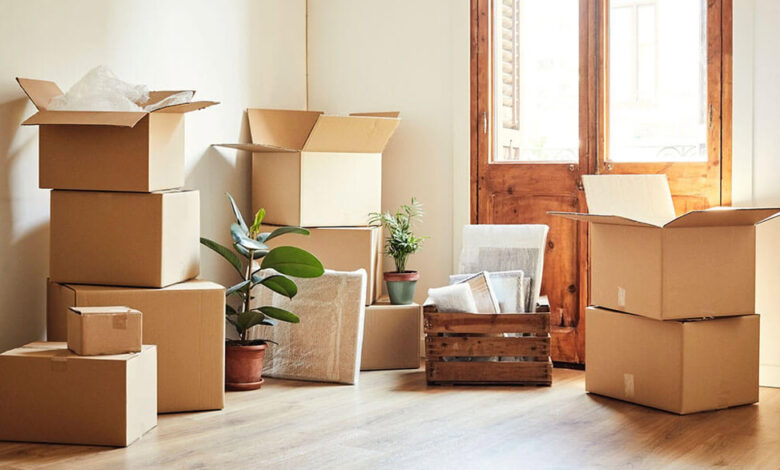

Moving from one apartment to another can be an exciting opportunity to start fresh, reorganize your belongings, and create a living environment that better suits your current needs. At the same time, moving requires careful planning because even a relatively small home can contain furniture, clothing, kitchen items, electronics, documents, decorations, and countless smaller possessions. Apartment moving becomes much easier when the process is divided into manageable stages instead of being handled at the last minute. Creating a realistic timeline, sorting belongings, preparing packing supplies, and organizing boxes before moving day can reduce confusion and make the entire experience more efficient.
Start Planning as Early as Possible
One of the most useful things you can do before moving is to create a clear plan. Waiting until the final few days can make even simple tasks feel overwhelming, especially when there are many rooms and belongings to organize. Apartment moving requires attention to several details, including packing, transportation, cleaning, utilities, paperwork, and arrangements with the building management. Starting early gives you enough time to identify what needs to be done and divide larger projects into smaller tasks. A written checklist can be helpful because it allows you to track completed activities and avoid forgetting important responsibilities during a busy period.
Create a Moving Timeline
A moving timeline can help you determine what needs to happen before, during, and after the move. Several weeks before moving, you can begin sorting possessions and collecting packing materials. As the moving date approaches, you can pack items that are not needed every day and organize important documents. During the final days, focus on essential household items and prepare a separate bag containing things you will need immediately after arriving. Apartment moving is easier to manage when each stage has a specific deadline. A timeline also gives you an opportunity to identify potential problems early instead of discovering them when there is little time left to respond.
Sort Your Belongings Before Packing
Packing everything without sorting can result in unnecessary work because you may spend time moving items that you no longer use. Before putting anything into boxes, go through your belongings and decide what you want to keep, donate, sell, recycle, or discard. Clothing, kitchenware, books, decorations, old electronics, and unused household items are often good categories to review. Apartment moving provides a useful opportunity to reduce clutter and make the new home easier to organize. Fewer belongings can also mean fewer boxes, less packing material, and less time spent arranging items after the move. Taking the time to sort before packing can therefore simplify several parts of the overall process.
Gather the Right Packing Supplies
Having the necessary supplies available before packing begins can save considerable time. Depending on your belongings, you may need sturdy boxes in different sizes, packing paper, bubble wrap, tape, markers, protective covers, bags, and labels. Fragile items should have appropriate cushioning, while heavier possessions should be placed in boxes that can safely support their weight. Apartment moving often involves carrying boxes through hallways, elevators, stairways, or other shared areas, so secure packaging is especially important. It is better to prepare more supplies than you think you will need rather than stopping midway through packing because you have run out of tape or suitable boxes.
Pack One Room at a Time
Packing an entire apartment at once can quickly become confusing because belongings from different rooms can become mixed together. A more organized approach is to work through one room or category at a time. Begin with areas containing items that are not needed regularly, such as decorations, extra linens, seasonal clothing, books, and rarely used kitchen equipment. Once a room is packed, label its boxes clearly and move them to a designated area. This approach can make apartment moving more organized because you can easily identify which boxes belong together. It also makes unpacking easier because boxes can be delivered directly to the appropriate rooms.
Label Every Box Clearly
Labels can save a great deal of time during the unpacking process. Each box should ideally have a clear indication of its contents and the room where it belongs. You can also add notes such as “fragile,” “open first,” or “heavy” when appropriate. Using a consistent labeling system can make apartment moving much more efficient because you and anyone helping with the move can quickly understand how each box should be handled. If you want an additional level of organization, consider numbering boxes and keeping a simple inventory list. This can make it easier to identify missing or misplaced items after everything has been transported.
Protect Fragile and Valuable Items
Glassware, dishes, mirrors, electronics, artwork, and other delicate possessions require additional protection. Wrap fragile objects individually and use suitable cushioning to prevent them from moving around inside boxes. Avoid placing too many heavy items on top of delicate belongings, even if the box appears strong. Important documents, jewelry, valuable electronics, and sentimental possessions may be better kept with you rather than placed in general moving boxes. During apartment moving, boxes may be lifted, stacked, transported, and repositioned several times, so fragile belongings should be packed with those conditions in mind. Careful preparation can significantly reduce the risk of accidental damage.
Prepare an Essentials Bag
One common mistake is packing everything without setting aside the items needed immediately after the move. Prepare a separate bag or box containing essential clothing, toiletries, medications, chargers, important documents, basic kitchen items, snacks, water, and other necessities. Keep this bag accessible rather than placing it deep inside a moving vehicle. Apartment moving can take longer than expected, and you may not want to open dozens of boxes simply to find a toothbrush, phone charger, or clean clothes. Having an essentials bag gives you convenient access to the things you need while the rest of your belongings are still being unpacked and organized.
Plan Furniture Placement in Advance
Large furniture can be difficult to move repeatedly, so it is useful to consider where each major item will go before moving day. Measure larger furniture pieces when necessary and think about doorways, hallways, elevators, stairways, and available floor space. You can create a simple room layout to decide where beds, sofas, tables, cabinets, and other large items should be positioned. Apartment moving becomes more efficient when furniture placement is planned ahead because helpers can take items directly to their intended locations. This can also reduce the amount of heavy lifting required after everything has already been brought inside.
Take Care of Utilities and Important Arrangements
Moving involves more than packing physical belongings. Electricity, water, internet, gas, subscriptions, mail, insurance, and other services may need to be transferred, canceled, or arranged depending on your circumstances. Important documents should also be gathered and kept in a secure, easily accessible place. Apartment moving can become stressful when administrative tasks are forgotten until the last moment. Creating a separate checklist for utilities, paperwork, address changes, and building requirements can help keep these responsibilities organized. Completing administrative tasks ahead of time gives you fewer things to worry about during the busiest stages of the move.
Prepare the Apartment Before Moving Day
Before the move, check the condition of the apartment and determine whether any cleaning, minor repairs, or maintenance tasks need attention. Cleaning as you pack can be easier than waiting until every possession has been removed. Empty rooms provide easier access to floors, walls, shelves, and other areas that are difficult to clean when furniture is present. Apartment moving can also be a good opportunity to document the condition of the property, particularly when a rental agreement requires an inspection. Keeping photographs or other records where appropriate can help you maintain an organized record of the condition of the property before leaving.
Make Moving Day More Organized
Moving day can involve many simultaneous activities, so having a clear plan can make a significant difference. Keep boxes grouped according to rooms and ensure that fragile or especially important items are clearly identified. Maintain access to essential documents, keys, phones, chargers, and other necessities. If multiple people are helping, assigning specific responsibilities can prevent everyone from attempting to handle the same task. Apartment moving is more manageable when communication remains clear and everyone understands what needs to happen next. A calm and organized approach can help reduce unnecessary delays and make the day feel less chaotic.
Keep Safety in Mind
Moving heavy furniture and boxes can create physical risks if proper care is not taken. Avoid lifting objects that are too heavy to handle safely, and use appropriate equipment or assistance when necessary. Keep walkways clear of loose packing materials, cords, and boxes that could create tripping hazards. When carrying items through stairs or narrow spaces, move carefully and communicate with anyone assisting you. Apartment moving often involves shared hallways and building entrances, so it is also important to avoid blocking common areas unnecessarily. Taking a few additional precautions can help make the process safer for everyone involved.
Unpack According to Priority
Once you arrive at the new apartment, avoid trying to unpack every box immediately. Begin with essentials and then move toward rooms that are most important for daily life. Setting up the bedroom, bathroom, and basic kitchen items first can make the first night more comfortable. After that, you can gradually organize living areas, storage spaces, decorations, and less frequently used belongings. Apartment moving does not have to mean completing the entire unpacking process in a single day. Giving yourself time to organize thoughtfully can help prevent clutter and allow you to decide where possessions should actually be stored.
Organize Your New Space Efficiently
Moving into a new apartment provides an opportunity to reconsider how belongings are stored. Instead of automatically recreating the same arrangement from the previous home, think about how each room will be used. Frequently used items should be easy to reach, while seasonal or rarely needed possessions can be stored in less accessible areas. Apartment moving can become the beginning of a more organized lifestyle when you take time to establish practical storage systems. Clear shelves, labeled storage containers, drawer organizers, and sensible furniture placement can make everyday activities easier and help prevent clutter from returning.
Handle the Final Cleanup
After the majority of belongings have been moved, take time to inspect both the old and new spaces. At the previous apartment, check cabinets, closets, storage areas, shelves, balconies, and other places where small items may have been overlooked. At the new apartment, remove packing materials and clean areas before arranging everything permanently. Apartment moving can produce a significant amount of cardboard, paper, plastic, and other waste, so sort materials appropriately where possible. A final inspection can also help ensure that important belongings have not been accidentally left behind and that the property is ready for its next stage.
Final Thoughts
A successful move depends on preparation, organization, and a realistic understanding of how much work is involved. Starting early allows you to sort possessions, gather supplies, create a timeline, and handle important arrangements without unnecessary pressure. Apartment moving becomes considerably easier when belongings are labeled, fragile items are protected, essential supplies are kept accessible, and furniture placement is planned before the move begins. Once you arrive, unpacking according to priority and creating practical storage systems can help you settle into your new home more comfortably. With careful planning and a step-by-step approach, the moving process can become a manageable transition rather than an overwhelming experience.