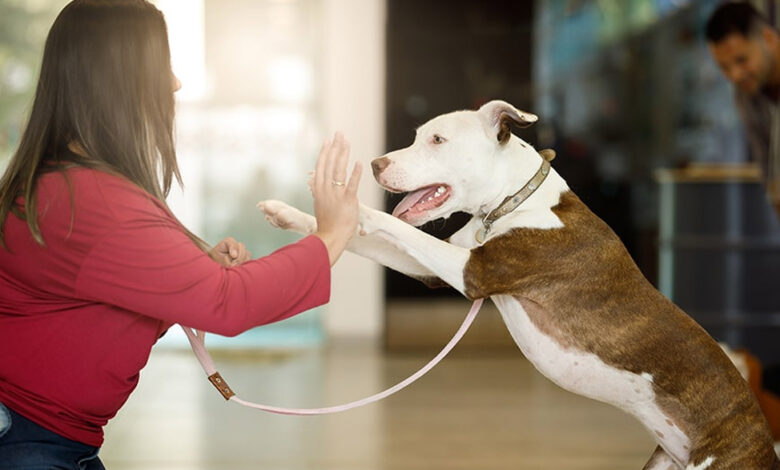

Bringing a dog into a home can be a rewarding experience, but responsible ownership involves much more than providing food, shelter, exercise, and affection. Dogs need clear communication, consistent boundaries, mental stimulation, and opportunities to learn how to behave appropriately in different situations. Dog obedience training provides a structured way to teach important behaviors while helping owners understand how their dogs learn and respond to guidance. When training is approached with patience and consistency, everyday interactions can become easier, communication can improve, and dogs can become more confident when dealing with unfamiliar people, environments, sounds, and routines.
Why Obedience Training Is Important
Obedience training gives dogs an opportunity to learn behaviors that are useful in everyday life. Basic commands such as sit, stay, come, down, and leave can help owners communicate expectations clearly. These behaviors can also make ordinary situations more manageable, including walking on a leash, welcoming visitors, waiting before going outside, or remaining calm around distractions. Dog obedience training is not simply about making a dog follow commands; it is also about developing reliable communication between the dog and its owner. A consistent approach can help dogs understand which behaviors are encouraged and provide them with predictable expectations in their daily routines.
Starting With Basic Communication
Dogs do not automatically understand human language or household rules, so owners need to establish communication in a way the animal can understand. Short verbal cues, consistent gestures, rewards, and repetition can help connect a specific behavior with a desired outcome. Using the same cue for the same behavior is important because changing commands frequently can create confusion. During dog obedience training, owners can gradually teach their dogs to associate words and signals with specific actions. Over time, repeated practice can make these responses more familiar, allowing the dog to understand what is expected even when there are ordinary distractions around them.
Building a Strong Foundation
A successful training program usually begins with simple behaviors before moving toward more complicated tasks. Teaching a dog to respond to its name, pay attention to its owner, sit on command, and remain in place for short periods can provide a foundation for future learning. Training sessions should generally be manageable and focused so the dog has opportunities to succeed instead of becoming frustrated. Dog obedience training works best when expectations are appropriate for the individual dog’s age, temperament, previous experience, and ability to concentrate. Gradually increasing difficulty allows the dog to develop new skills without being overwhelmed by too many demands at once.
Using Positive Reinforcement
Positive reinforcement can be an effective way to encourage behaviors that owners want their dogs to repeat. Rewards may include small treats, praise, play, toys, or access to something the dog enjoys. The important part is helping the dog understand which behavior resulted in the reward. When reinforcement is delivered consistently and at the right moment, dogs can more easily make the connection between their actions and the consequences that follow. A thoughtful dog obedience training routine can use rewards to encourage attention, calm behavior, responsiveness, and cooperation while avoiding unnecessary intimidation. The specific reward can be adjusted according to what motivates the individual dog.
Teaching a Reliable Recall
A reliable recall is one of the most useful behaviors a dog can learn because it allows an owner to call the dog back when necessary. Teaching recall should begin in a controlled environment with limited distractions and gradually become more challenging as the dog’s response improves. Owners can use an enthusiastic voice, rewards, and repetition to create a positive association with returning when called. It is important to avoid repeatedly calling a dog when there is little chance it will respond, because this can weaken the association with the cue. Consistent practice during dog obedience training can help strengthen recall while giving the dog valuable experience responding to its owner in different circumstances.
Improving Leash Behavior
Walking on a leash can be challenging when a dog pulls, jumps, stops repeatedly, or becomes distracted by people, animals, sounds, and scents. Leash manners can be taught gradually by rewarding the dog for walking calmly near the handler and paying attention when asked. Owners should focus on creating predictable expectations rather than expecting immediate perfection. Short practice sessions can help the dog learn that calm walking is rewarding. As skills improve, owners can gradually introduce additional distractions. Good leash habits developed through dog obedience training can make walks more enjoyable and can help owners manage their dogs more effectively in everyday environments.
Teaching Dogs to Remain Calm
Some dogs become excited when visitors arrive, when they see other animals, or when something unusual happens around them. Teaching calm behavior can help reduce jumping, barking, rushing toward doors, or other unwanted responses. Owners can practice calm behaviors during controlled situations and reward the dog when it remains composed. A dog may need repeated exposure and practice before it can maintain calm behavior around stronger distractions. Dog obedience training can incorporate exercises such as waiting at doors, settling on a designated area, responding to a cue for attention, and remaining calm while people move around the home. These exercises can help dogs develop greater self-control over time.
Addressing Unwanted Behaviors
Unwanted behaviors can have many causes, including boredom, insufficient exercise, fear, excitement, inconsistent boundaries, environmental triggers, or a lack of appropriate training. Instead of focusing only on stopping a behavior, owners can consider what the dog is trying to achieve and teach an appropriate alternative. For example, a dog that jumps for attention can be taught to sit before receiving interaction. A dog that grabs household objects can be redirected toward suitable toys. During dog obedience training, identifying the reason behind a behavior can make it easier to choose a practical response and create a routine that encourages more appropriate alternatives.
The Role of Consistency
Consistency is one of the most important elements of effective dog training. If a behavior is allowed sometimes but discouraged at other times, a dog may have difficulty understanding the household rules. Everyone who interacts regularly with the dog should ideally use similar cues and follow the same basic expectations. Consistency also applies to rewards, boundaries, timing, and daily routines. Dog obedience training becomes more effective when lessons are reinforced outside formal sessions rather than practiced only for a few minutes and then forgotten. Everyday activities such as feeding, walking, playing, and greeting visitors can all provide opportunities to reinforce useful behaviors.
Training Puppies and Adult Dogs
Dogs can learn throughout their lives, although their experiences, habits, and individual characteristics may influence how training should be approached. Puppies often need short sessions, frequent breaks, and plenty of opportunities to learn basic household routines. Adult dogs may already have established habits that require additional patience and repetition. Older dogs can also learn new behaviors when training is adapted to their abilities and physical comfort. The key is to set realistic expectations and progress at a suitable pace. A structured training approach can help dogs of different ages develop better communication skills while giving owners practical methods for reinforcing positive behavior.
Socialization and Everyday Experiences
Training and socialization can complement each other because dogs need to learn how to respond appropriately to a variety of situations. Controlled exposure to different people, sounds, surfaces, environments, and everyday activities can help dogs become familiar with new experiences. Socialization should be gradual and should take the dog’s comfort level into account rather than forcing interactions. Owners can reward calm observation and appropriate responses when introducing new experiences. Combining social learning with dog obedience training can help dogs develop useful skills while becoming more comfortable navigating ordinary situations. If a dog shows significant fear or aggression, professional behavioral guidance may be appropriate.
Mental Stimulation and Learning
Dogs need mental stimulation as well as physical exercise. Training exercises, puzzle toys, scent games, interactive play, and learning new behaviors can provide opportunities for dogs to use their minds. Mental challenges can also make training more engaging because dogs are given a chance to solve problems and receive rewards for successful responses. Different dogs have different interests, so owners can experiment with activities that encourage attention and cooperation. Incorporating mental stimulation into dog obedience training can help prevent sessions from becoming repetitive and can make learning an enjoyable part of the dog’s routine.
Creating a Practical Training Routine
A training routine does not need to involve hours of formal practice every day. Short, focused sessions can be incorporated into normal activities, making it easier to maintain consistency. Owners can practice sitting before meals, waiting at doors, responding to their names during walks, or settling calmly before playtime. These small exercises provide repeated opportunities to reinforce useful behaviors without requiring a complicated schedule. A practical routine also allows owners to identify areas where the dog needs additional support. With regular practice, skills learned during structured sessions can gradually become part of the dog’s everyday behavior.
Understanding Patience and Progress
Training progress is rarely perfectly linear. A dog may respond reliably in a quiet environment but struggle when introduced to a new location or stronger distraction. This does not necessarily mean that previous learning has been lost. Dogs may need additional repetition as the difficulty of a situation increases. Owners can respond by reducing distractions, simplifying the exercise, and rewarding successful responses before gradually increasing the challenge again. Patience is particularly important because frustration can make training less productive. Dog obedience training should be viewed as an ongoing learning process rather than a quick solution that produces perfect behavior after a limited number of sessions.
Working With a Professional Trainer
Some owners choose professional assistance when they want structured guidance, have limited training experience, or are dealing with behaviors that are difficult to manage independently. A qualified trainer can observe the dog’s behavior, identify areas that need attention, demonstrate appropriate techniques, and help establish realistic training goals. Professional support can be particularly useful when a dog’s behavior creates safety concerns or when owners are unsure how to respond to persistent problems. Before selecting a trainer, owners can ask about their methods, experience, approach to rewards and behavior, and the types of cases they regularly handle. The right guidance can complement an owner’s efforts and make the learning process clearer.
Maintaining Skills Over Time
Learning a command is only one part of successful training; maintaining that behavior is equally important. Dogs may become less responsive to cues if behaviors are not reinforced regularly. Owners can continue practicing commands during walks, playtime, household routines, and other everyday activities. Periodic reinforcement helps keep learned behaviors familiar and useful. It is also beneficial to continue challenging dogs gradually by practicing in different environments and around appropriate distractions. Ongoing dog obedience training can become a normal part of life rather than something that ends as soon as a dog learns a handful of basic commands.
Creating a Better Relationship
Training can provide more than practical behavioral benefits because it creates opportunities for owners and dogs to communicate and work together. When a dog learns that responding to its owner leads to predictable and positive outcomes, everyday interactions can become easier to understand. Owners also gain a better understanding of their dog’s signals, preferences, motivations, and individual learning style. This two-way communication can strengthen the relationship while helping both sides develop clearer expectations. Training should therefore be approached as a cooperative process in which the goal is not simply obedience but also improved communication, trust, and confidence.
Final Thoughts
A well-trained dog is not necessarily one that performs dozens of commands perfectly; meaningful training is about helping a dog understand expectations and respond appropriately in everyday situations. Basic obedience, recall, leash manners, calm behavior, socialization, and reliable communication can all contribute to a more manageable relationship between dogs and their owners. Dog obedience training requires patience, consistency, appropriate rewards, and realistic expectations, but the effort can provide valuable skills that remain useful throughout a dog’s life. By making learning part of everyday routines and adapting the approach to the individual dog, owners can create a supportive environment where good behavior is encouraged and continued development becomes a natural part of companionship.