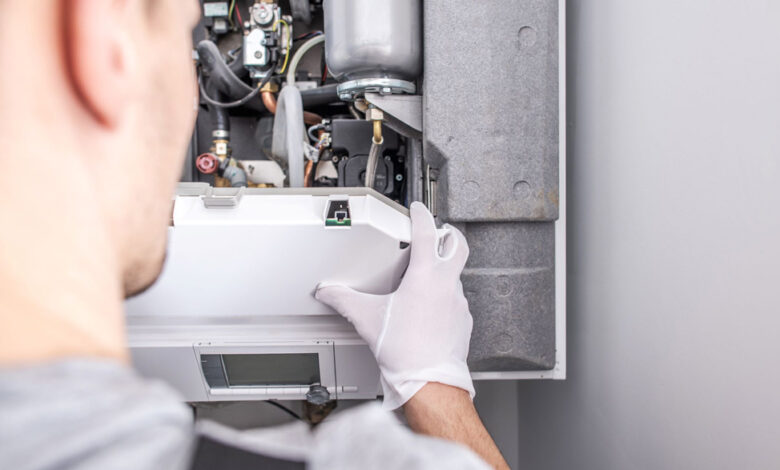
Furnace Repair: Essential Solutions for a Safe, Efficient, and Reliable Heating System

A dependable heating system plays an important role in keeping a home comfortable during colder weather. When a furnace begins making unusual noises, producing inconsistent heat, cycling on and off repeatedly, or failing to start, the problem should not be ignored. What may begin as a small issue can sometimes develop into a more expensive repair or create unnecessary strain on other components. Understanding the common causes of furnace problems, recognizing warning signs, and knowing when professional assistance is appropriate can help homeowners protect their heating equipment and maintain a comfortable indoor environment.
Understanding How a Furnace Works
A furnace is designed to generate and distribute warm air throughout a building. Although systems differ in design, most modern forced-air furnaces follow a similar basic process. The thermostat detects that the indoor temperature has fallen below the selected setting and sends a signal to the heating system. The furnace then begins its startup sequence, activates the appropriate heating components, and uses a blower to move heated air through the ductwork.
Gas furnaces generally use burners to heat a heat exchanger, while electric furnaces use electrical heating elements. In either case, the blower distributes warmed air through vents into different rooms. Once the thermostat detects that the desired temperature has been reached, the heating cycle ends.
Because several components must work together correctly, a problem with one part can affect the entire system. Filters, thermostats, ignition components, blower motors, sensors, electrical connections, ductwork, and safety controls can all influence furnace performance. This is why identifying the underlying cause is more important than simply addressing the most obvious symptom.
Common Signs That a Furnace Needs Attention
One of the easiest ways to prevent a minor furnace issue from becoming a major problem is to recognize warning signs early. A furnace that takes longer than usual to heat the home may be experiencing restricted airflow, a malfunctioning component, or another performance issue. Similarly, rooms that remain noticeably colder than others can indicate airflow problems or an issue with the heating system itself.
Unusual sounds are another important warning sign. A light operational hum is generally expected, but banging, scraping, rattling, squealing, or repeated clicking should receive attention. Different sounds can point to different mechanical or electrical concerns, so unusual noises should not simply be dismissed as normal operation.
A furnace that repeatedly turns on and off in short cycles can also indicate a problem. Short cycling may occur because of restricted airflow, thermostat problems, overheating, incorrect system sizing, or a malfunctioning safety component. Allowing the system to continue operating under these conditions can place additional stress on the furnace.
Other warning signs include unusual odors, weak airflow from vents, a thermostat that does not appear to control the temperature properly, unexpectedly high energy consumption, or a furnace that fails to start. If a carbon monoxide detector activates, occupants should follow the detector manufacturer’s safety instructions and leave the area if required. Gas odors should also be treated seriously, and occupants should avoid operating electrical switches or creating flames while following appropriate emergency and utility guidance.
Why Professional Furnace Repair Matters
Some heating-system maintenance tasks are relatively simple, but many furnace problems require technical knowledge, specialized tools, and an understanding of safety procedures. Professional furnace repair can help identify the actual source of a problem instead of replacing parts unnecessarily or treating symptoms without resolving the underlying issue.
Qualified technicians typically begin with a systematic inspection. They may examine the thermostat, electrical connections, airflow, filters, ignition system, burners, blower assembly, safety controls, and other relevant components. Depending on the type of furnace and the reported symptoms, additional testing may be necessary.
Professional service is especially important for gas-powered systems because combustion equipment requires careful handling. Problems involving burners, gas connections, ignition systems, venting, or combustion should not be approached as ordinary do-it-yourself projects. Incorrect adjustments or repairs can create serious safety risks.
A professional inspection can also reveal related issues that might otherwise remain unnoticed. For example, a technician may discover that poor airflow is contributing to overheating or that a worn blower component is responsible for unusual sounds. Addressing the complete problem can help restore reliable operation rather than providing only a temporary solution.
Common Furnace Problems and Their Causes
Furnaces can experience many different issues, and the symptoms do not always identify the cause immediately. One of the most common problems is inadequate airflow. A heavily clogged filter can restrict the amount of air moving through the system, causing the furnace to work harder and potentially overheat. Blocked vents, dirty components, or ductwork problems can also interfere with proper airflow.
Thermostat problems are another possibility. If the thermostat is incorrectly configured, poorly positioned, lacking power, or malfunctioning, it may not communicate correctly with the furnace. Before assuming that the furnace itself has failed, homeowners can verify that the thermostat is set appropriately and has power when applicable.
Ignition problems can prevent a furnace from producing heat even when the system appears to start normally. Depending on the furnace design, ignition may involve an electronic igniter or another ignition mechanism. A technician can determine whether the ignition sequence is functioning as intended.
Blower-related problems can produce weak airflow or unusual noises. A worn motor, damaged component, electrical problem, or accumulation of debris can affect blower performance. Since the blower is responsible for distributing heated air, its condition has a direct effect on comfort.
Dirty or malfunctioning sensors may also interfere with operation. Modern furnaces contain safety controls that monitor conditions and can shut the system down when something falls outside acceptable operating parameters. These safeguards are important, but repeated shutdowns should be investigated rather than bypassed.
The Importance of Regular Maintenance
Preventive maintenance can help reduce unexpected heating problems and support efficient operation. A furnace should generally receive attention before heavy seasonal use rather than waiting until it stops working completely. Maintenance requirements vary according to equipment type, age, usage, and manufacturer recommendations.
One of the simplest maintenance steps is keeping the air filter clean and replacing it according to the manufacturer’s guidance. A filter’s replacement schedule depends on factors such as filter type, household conditions, pets, indoor air quality, and system design. A visibly dirty filter should not be left in place simply because a particular number of months has not passed.
During professional maintenance, a technician may inspect the heating components, electrical connections, blower assembly, safety controls, and other system parts. Gas furnaces may also require inspection of combustion and venting-related components. Regular inspections can identify wear before it causes a complete system failure.
Maintenance also provides an opportunity to review the condition of the equipment as a whole. If a furnace is becoming increasingly expensive to operate or requires frequent service, a technician can help explain whether continued repairs are reasonable compared with replacement.
How a Dirty Filter Can Affect Performance
The furnace filter may appear insignificant, but it plays an important role in system performance. Its primary function is to capture airborne particles before they circulate through the system. As the filter becomes loaded with dust and debris, airflow can become increasingly restricted.
Restricted airflow can make the furnace operate under greater strain. The system may have difficulty distributing heat evenly, and certain components may experience additional stress. In some circumstances, inadequate airflow can contribute to overheating and cause safety controls to shut the furnace down.
Homeowners should use the filter size and type recommended for their specific equipment. Installing an unsuitable filter can create its own airflow problems. If there is uncertainty about the correct filter, checking the furnace documentation or consulting a qualified technician is preferable to guessing.
Furnace Efficiency and Energy Consumption
A properly functioning furnace can contribute to more consistent indoor temperatures and controlled energy use. When equipment develops a mechanical problem, airflow restriction, ignition issue, or control problem, it may operate less effectively. The result can be longer heating cycles, inconsistent comfort, or increased energy consumption.
However, high energy bills do not automatically mean that the furnace is defective. Changes in outdoor temperatures, thermostat settings, insulation, air leakage, occupancy patterns, utility rates, and other factors can also affect energy use. A proper assessment should consider the entire heating environment.
Improving efficiency can involve more than repairing the furnace. Sealing obvious air leaks, maintaining ductwork, improving insulation where appropriate, using the thermostat effectively, and keeping vents unobstructed can all contribute to better overall heating performance.
When DIY Troubleshooting Is Appropriate
There are a few basic checks that homeowners can perform without opening the furnace cabinet or interfering with internal components. Confirming that the thermostat is set to the desired heating mode, checking whether the thermostat has power, ensuring that vents are not blocked, and inspecting the air filter are reasonable first steps for many systems.
Homeowners should avoid removing safety covers, altering gas controls, bypassing safety switches, or attempting to repair combustion components without appropriate training. A furnace contains electrical, mechanical, and, in some systems, fuel-related components that can create significant hazards if handled incorrectly.
If simple checks do not resolve the problem, professional assistance is generally the safer approach. A technician can perform diagnostic testing and determine whether the issue involves electrical components, airflow, controls, ignition, combustion, or another part of the system.
Repair or Replace: Understanding the Difference
Not every furnace problem means the entire system needs to be replaced. Many issues can be resolved by repairing or replacing an individual component. The appropriate choice depends on factors such as the furnace’s age, condition, repair history, efficiency, parts availability, and the cost of the proposed work.
A relatively newer furnace with an isolated component failure may make sense to repair, particularly if the rest of the equipment is operating normally. An older furnace with repeated failures and declining performance may require a broader cost analysis.
Homeowners should request a clear explanation of the problem and the proposed solution. A professional should be able to explain what failed, why the component needs attention, what the repair involves, and whether other concerns were discovered during the inspection.
Comparing the estimated repair cost with the expected remaining service life of the furnace can provide useful context. Replacement decisions should also consider installation quality, equipment compatibility, efficiency, warranty terms, and long-term operating costs rather than focusing exclusively on the initial price.
Choosing a Qualified Furnace Technician
Selecting the right technician is an important part of maintaining a heating system. Homeowners should look for professionals with appropriate training and experience working with the specific type of furnace installed in the property. Licensing, certification, insurance, and other requirements vary depending on the jurisdiction and type of work involved, so consumers should verify applicable credentials.
A reputable service provider should communicate clearly about the diagnosis and recommended work. Written estimates can make it easier to understand labor, parts, service charges, and other costs. It is also helpful to ask whether replacement parts carry a warrantyism matters as well. A technician should respect the property, explain the work in understandable language, and avoid pressuring the homeowner into unnecessary services. When several repair options exist, understanding the advantages and and whether the repair itself is covered for a particular period.
Professionalism matters as well. A technician should respect the property, explain the work in understandable language, and avoid pressuring the homeowner into unnecessary services. When several repair options exist, understanding the advantages and limitations of each option allows the homeowner to make an informed decision.
Improving Furnace Performance Between Service Visits
Homeowners can take several practical steps to support furnace performance between professional inspections. Keeping supply and return vents unobstructed helps air move through the system. Furniture, curtains, storage items, and other objects should not block important airflow pathways.
Maintaining a clean area around accessible furnace equipment is also useful, provided that homeowners follow the manufacturer’s safety guidance. Storage materials should not be placed too close to heating equipment, particularly where heat-producing or combustion-related components are involved.
Thermostat settings can also influence system operation. Frequently making large temperature changes may affect comfort and operating patterns. A programmable or smart thermostat can help manage heating schedules, although compatibility with the existing furnace should be confirmed before installation.
Homeowners should also pay attention to changes in system behavior. A furnace that gradually becomes noisier, cycles differently, heats unevenly, or requires more frequent resets may be signaling a developing issue. Addressing these changes early can sometimes prevent a larger failure.
Why Delaying Repairs Can Be Costly
Ignoring a furnace problem may seem like a way to avoid an immediate service expense, but continued operation with a malfunctioning component can sometimes increase wear on other parts. A minor airflow issue, for example, may place additional strain on the system if it remains unresolved.
Delays can also create inconvenience. A furnace that fails during a period of heavy demand may leave occupants without adequate heat until a technician becomes available. Scheduling routine maintenance and addressing warning signs before a complete breakdown can reduce the possibility of an unexpected emergency.
Safety is another reason to take furnace problems seriously. Issues involving combustion, fuel, electrical components, or ventilation should be evaluated by appropriately qualified professionals. Safety controls should never be bypassed simply to keep a malfunctioning system operating.
Creating a Practical Furnace Maintenance Routine
A simple maintenance routine can make it easier to keep track of heating equipment. Homeowners can monitor filter conditions, pay attention to unusual sounds and odors, keep vents clear, and schedule professional inspections according to the manufacturer’s recommendations and the system’s needs.
It is also useful to retain service records. Documentation can show when components were inspected or replaced and can help a technician understand the system’s repair history. This information can become particularly valuable when an older furnace develops recurring problems.
Preparing before colder weather is another practical strategy. Testing the furnace repair ahead of peak heating demand gives homeowners time to address problems without the pressure of an immediate breakdown. It can also reveal issues with thermostats, airflow, or heating performance while the system can still be serviced conveniently.
Final Thoughts on Reliable Furnace Care
A furnace is a complex system that depends on multiple components working together safely and efficiently. Recognizing early warning signs, maintaining adequate airflow, replacing filters appropriately, and arranging professional inspections can all contribute to dependable heating performance. When a problem develops, furnace repair should focus on identifying the underlying cause rather than simply treating the visible symptom.
Homeowners should handle basic maintenance tasks within their abilities while leaving complex electrical, fuel, combustion, and internal mechanical work to qualified professionals. Clear communication, proper diagnosis, and informed decision-making can help ensure that repairs address the actual problem.
With consistent maintenance and timely attention to warning signs, a heating system can operate more reliably and provide comfortable indoor temperatures throughout the colder months. Taking care of problems early can also help homeowners avoid unnecessary disruption, support efficient operation, and better understand when continued repairs are appropriate and when replacement may eventually become the more practical long-term option.