Smart Maintenance Strategies for Keeping Gutters Clear and Protecting Your Home From Water-Related Damage

Gutters play an essential role in protecting a property from the effects of rainwater by collecting runoff from the roof and directing it toward suitable drainage areas. Although they may seem like a minor part of a building, properly functioning gutters can help prevent water from collecting around exterior walls, landscaping, and foundations. Leaves, twigs, dirt, moss, seeds, and other debris can gradually build up inside the channels and interfere with normal water flow. When this happens, rainwater may overflow or remain trapped inside the system, creating unnecessary maintenance concerns. Regular attention, careful inspection, and timely cleaning can help keep the drainage system working efficiently throughout the year.
Understanding the Purpose of Gutters
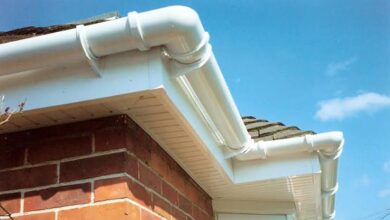
A gutter system is designed to control the movement of rainwater after it reaches the roof. Instead of allowing water to run directly down exterior walls or collect beside the foundation, gutters collect runoff and guide it toward downspouts. The downspouts then carry the water toward a suitable discharge area where it can move away from the structure. For this process to work properly, every part of the system must remain reasonably clear and securely connected. When channels become blocked or damaged, water may follow unintended paths. Understanding this basic function makes it easier to appreciate why regular maintenance should be included in a property’s routine care.
Why Regular Maintenance Matters
Many property owners do not think about gutters until they notice water overflowing during rainfall. Unfortunately, visible overflow can indicate that debris has already accumulated significantly or that another part of the drainage system is not working correctly. A gutter cleaning service can help remove accumulated debris and identify visible concerns before they become more complicated. Regular maintenance may reduce the chance of water reaching areas that are vulnerable to moisture damage. It can also provide an opportunity to inspect joints, fasteners, downspouts, and other components. A consistent maintenance routine is generally easier and more manageable than waiting until a serious drainage problem develops.
Common Causes of Gutter Blockages
Gutters can collect a wide variety of materials over time. Leaves are one of the most common sources of blockage, particularly when trees are located close to a roof. Small branches, seeds, flowers, dirt, roof granules, moss, and other organic materials may also accumulate in the channels. Wind can carry lightweight debris onto roofs, where rain eventually washes it into the gutter system. Some materials become compacted when they remain wet for extended periods, creating dense obstructions that prevent water from moving freely. Identifying the most common sources of debris around a property can help determine how often the gutters should be inspected and maintained.
Recognizing Signs of a Problem
Several visible signs may indicate that gutters need attention. Water spilling over the sides during rain is one of the clearest warnings, while sagging sections may suggest that debris or standing water has added excessive weight. Plants growing inside the channels can indicate that organic material has accumulated for an extended period. Stains on exterior walls, damaged fascia boards, peeling finishes, and soil erosion beneath downspout areas may also suggest drainage problems. Some blockages are hidden, so a system can appear normal from the ground while still having restricted flow. Regular inspections can help identify these warning signs before they result in more extensive maintenance requirements.
Protecting the Roof and Roof Edges
Gutters help manage the water that leaves a roof, making their condition relevant to overall roof maintenance. When a gutter is blocked, water may back up toward the roof edge or overflow onto areas that are not designed to handle repeated moisture exposure. Persistent water accumulation can contribute to deterioration of certain roofing materials and supporting components. Keeping the drainage channels clear does not replace professional roof inspections, but it can support proper water management. During cleaning, visible issues such as loose sections, damaged edges, or separated joints may also become easier to identify and address before they worsen.
Protecting Exterior Walls
Rainwater that overflows from clogged gutters can run down exterior walls instead of traveling through the intended drainage route. Repeated exposure to excess moisture may contribute to staining, deterioration of finishes, peeling paint, and damage to vulnerable exterior materials. Water can also enter small gaps around windows, doors, or joints when it repeatedly flows along unintended paths. Maintaining clear gutters can help reduce these risks by directing water toward downspouts. Property owners should still inspect exterior walls periodically because water-related problems can have several causes. Proper drainage is one important part of keeping exterior surfaces in good condition.
Protecting the Foundation
One of the most important reasons to maintain gutters is to help keep roof runoff away from the foundation. When downspouts are blocked, disconnected, or poorly positioned, large amounts of water may be discharged close to the building. Repeated saturation of soil around a foundation can contribute to drainage concerns and may increase the possibility of moisture entering lower areas. A gutter cleaning service can inspect visible downspout conditions and identify blockages that may prevent water from being directed away properly. Property owners should also observe where water collects during rainfall and address persistent pooling or erosion when necessary.
Maintaining Downspouts
Cleaning the horizontal gutter channels is only one part of proper maintenance. Downspouts are equally important because they provide the route through which collected water leaves the gutter system. A blockage inside a downspout can cause water to back up even when the upper channels appear relatively clear. Downspouts should be checked for visible obstructions, dents, loose connections, cracks, and improper positioning. The outlet should also remain clear of leaves, soil, mulch, and other materials that can restrict discharge. Maintaining both gutters and downspouts helps create a continuous drainage path from the roof to the intended discharge area.
Improving Water Flow
Efficient drainage depends on several components working together. Gutters need suitable positioning and slope, while downspouts need adequate capacity and unobstructed pathways. Debris reduces the amount of available space for water and can cause even moderate rainfall to produce overflow. During heavy storms, a small restriction may become a much larger problem because the system receives a substantial amount of water in a short period. Keeping channels clear can support better flow, but persistent drainage problems may indicate issues with gutter design, slope, capacity, or installation. Those concerns may require further inspection rather than repeated cleaning alone.
Choosing a Safe Cleaning Method
Gutter maintenance frequently involves working above ground level, which creates important safety considerations. Ladders need to be placed on stable surfaces, and suitable equipment should be used for the height and structure involved. Wet debris can make surfaces slippery, while leaning or reaching too far from a ladder can increase the risk of losing balance. Property owners should consider their experience, equipment, and physical ability before attempting elevated maintenance. A gutter cleaning service may be a practical option when sections are difficult to reach or when the property owner does not have suitable safety equipment. Safety should always take priority over completing a maintenance task quickly.
Determining an Appropriate Cleaning Schedule
There is no universal cleaning schedule that works for every property. The amount of debris entering a gutter depends on surrounding vegetation, weather conditions, roof design, tree coverage, and the characteristics of the drainage system. Properties near many trees may need more frequent attention, while buildings in areas with limited vegetation may accumulate debris more slowly. Seasonal inspections can help determine when cleaning is actually necessary. Heavy storms can also introduce branches and other materials that were not present during earlier inspections. Rather than relying only on a fixed calendar, property owners can combine scheduled checks with observations after major weather events.
Inspecting for Damage
Cleaning is also a useful opportunity to inspect gutters for physical damage. Common problems can include cracks, holes, rust, loose brackets, separated seams, damaged end caps, and sections that have pulled away from the structure. Downspouts may also become dented, disconnected, or improperly aligned. Even a relatively small defect can become more significant when water continues to pass through it during repeated rainfall. Property owners should look for visible changes after cleaning and arrange appropriate repairs when necessary. Replacing or repairing damaged components promptly can help preserve the overall function of the drainage system and reduce the likelihood of recurring water problems.
Managing Organic Debris
Leaves are often the most noticeable material found inside gutters, but other organic debris can be just as problematic. Seeds, small twigs, flowers, moss, bark fragments, and decomposing plant matter can accumulate and form dense layers. Wet organic material can become heavy and may place additional stress on gutter brackets and fasteners. It can also retain moisture and encourage plant growth when left undisturbed. Removing organic buildup restores usable space inside the channels and makes it easier to inspect the condition of the system. Regular maintenance is especially important when vegetation is close enough to shed material directly onto the roof.
Considering Gutter Protection Systems
Gutter guards and similar protective systems are designed to reduce the amount of larger debris entering the drainage channels. Different designs use different methods to allow water through while limiting leaves and other materials. However, these systems do not necessarily eliminate maintenance. Fine debris may collect on the surface, beneath the guard, or around openings, depending on the design and surrounding conditions. Property owners should still inspect protected gutters periodically to make sure water can flow properly. A gutter cleaning service can evaluate whether debris is accumulating and whether an existing protection system is functioning as intended.
Preventing Plant Growth and Pest Activity
Gutters that contain moist organic material for long periods may become suitable environments for unwanted plant growth. Seeds can sometimes take root in accumulated debris, while insects and other small organisms may be attracted to damp organic matter. Vegetation growing inside a gutter can further restrict water flow and make future cleaning more difficult. Removing debris regularly reduces these conditions and makes the drainage system easier to inspect. Property owners should also maintain nearby vegetation where practical, particularly branches that overhang roof areas. Reducing the amount of material entering the gutter can support cleaner channels and lower the frequency of severe blockages.
Maintaining the Complete Drainage System
Gutter maintenance should not focus exclusively on the visible channels. Downspout extensions, discharge areas, surrounding soil, and other drainage components can also affect how effectively water moves away from the structure. Cleaning the upper gutter is unlikely to solve a problem if the downspout remains blocked or water is discharged directly beside the foundation. Property owners should observe the final destination of water during rainfall and look for pooling, erosion, or repeated saturation. A complete drainage assessment can reveal whether the entire system is functioning properly. This broader approach can help prevent problems that would otherwise return after cleaning.
When Professional Assistance Is Helpful
Professional assistance can be useful when gutters are positioned high above the ground, heavily blocked, difficult to access, or connected to complicated drainage arrangements. It can also be appropriate when property owners do not have suitable ladders, tools, or experience with elevated work. A gutter cleaning service can remove accumulated material, inspect accessible components, and identify visible signs of damage. Professional maintenance can also save time for property owners who prefer to include gutter care in a regular property-maintenance schedule. When cleaning involves significant height or difficult access, professional support may provide a safer alternative to attempting the task without appropriate equipment.
Preparing Before Heavy Rainfall
Gutters should ideally be checked before periods when substantial rainfall is expected. Removing accumulated debris can reduce the chance of sudden overflow and allow water to move more efficiently through the system. Downspouts should also be checked to ensure they are not obstructed and that their outlets can discharge water properly. Property owners can perform safe ground-level observations for obvious problems, while difficult-to-reach areas may require professional inspection. Preventive preparation is generally more practical than waiting for heavy rainfall to reveal a serious blockage. Timely maintenance can help the drainage system perform more effectively when it receives a large volume of water.
Protecting Landscaping and Outdoor Areas
A properly maintained drainage system can also help protect landscaping around a property. When water repeatedly overflows from gutters or exits a blocked downspout, it can wash away soil, disturb mulch, damage plants, and create muddy areas. Concentrated water flow may also contribute to erosion near walkways or other outdoor surfaces. Directing runoff toward appropriate discharge areas can reduce these problems. Property owners should monitor areas beneath downspout outlets and look for signs of erosion or persistent water accumulation. If these problems occur repeatedly, the drainage arrangement may need adjustment in addition to routine gutter cleaning.
Establishing a Long-Term Maintenance Routine
Long-term gutter care is most effective when it becomes part of ordinary property maintenance. Property owners can establish inspection periods based on seasonal changes, surrounding vegetation, and previous debris accumulation. After major storms, a quick visual check can reveal fallen branches, displaced sections, or new blockages. Downspout outlets should remain clear, while nearby trees and vegetation should be maintained where practical. Keeping a simple record of inspections can also help identify recurring problems and determine whether the cleaning frequency needs adjustment. A consistent routine makes it easier to detect gradual deterioration before it becomes a larger repair issue.
Monitoring After Cleaning
Cleaning should not necessarily be considered the final step. After the system has been cleared, property owners can observe how water moves during the next significant rainfall. Properly functioning gutters should collect roof runoff and direct it through the downspouts without unnecessary overflow. New leaks, sagging sections, or persistent pooling may indicate that repairs or adjustments are needed. Monitoring can also reveal whether a particular area accumulates debris faster than others. If problems return quickly after cleaning, it may be worth investigating the cause rather than simply repeating the same maintenance process.
Cleaning and Safety Considerations
Debris removed from gutters should be handled appropriately, particularly when it contains wet organic material, insects, or other contaminants. Property owners should use suitable protective equipment when necessary and avoid unsafe practices around ladders or elevated surfaces. Heavily contaminated or inaccessible areas may be better handled by trained professionals. After cleaning, tools and equipment should be stored safely, and surrounding areas should be checked for dropped debris. A careful approach reduces unnecessary risks and supports a more thorough maintenance process. Safety should remain an essential consideration throughout inspection, cleaning, repair, and disposal activities.
Final Thoughts
Maintaining clean and functional gutters is an important part of protecting a property from unnecessary water-related problems. Regular inspection and cleaning can help keep rainwater moving through the intended drainage path while reducing the likelihood of overflow affecting roofs, walls, foundations, landscaping, and outdoor surfaces. Removing debris, maintaining downspouts, inspecting for damage, managing nearby vegetation, and checking discharge areas all contribute to better long-term performance. When gutters are difficult to reach or heavily blocked, professional assistance can provide a practical and safer maintenance option. By establishing a consistent routine and responding promptly to visible problems, property owners can support effective rainwater management and help preserve the condition of their property over time.