Palm Tree Removal: A Complete Guide to Safe Planning, Professional Work, and Property Care

Palm trees can provide shade, character, and a distinctive appearance to outdoor spaces, but there are situations when removing one becomes necessary. A palm may become damaged by severe weather, develop structural problems, outgrow its surroundings, interfere with buildings or utility infrastructure, or simply become unsuitable for a particular landscape design. Because mature palms can be tall, heavy, and difficult to control during removal, the process requires careful planning and appropriate equipment. Attempting to handle a large tree without the right experience can create unnecessary risks for people, buildings, vehicles, landscaping, and nearby structures.
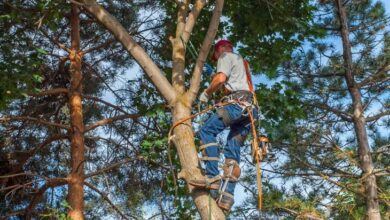
Removing a palm is also different from simply cutting down a small ornamental tree. Many palms have tall, relatively narrow trunks and large crowns of heavy fronds. Depending on the species, age, condition, and location, the tree may require specialized climbing equipment, rigging systems, lifting machinery, or controlled sectional removal. The surrounding property should be evaluated before any work begins so that the safest and most practical method can be selected.
Understanding the reasons for removal, preparation requirements, safety considerations, disposal options, and post-removal care can help property owners make better decisions. A carefully planned project can minimize disruption while leaving the site clean, stable, and ready for future landscaping.
Understanding Why Palm Trees May Need Removal
There are many reasons a palm may eventually need to be removed. Structural instability is one of the most important concerns. A damaged trunk, extensive decay, root problems, or severe leaning can make a mature palm hazardous, particularly when it stands near buildings, roads, walkways, fences, or areas where people regularly gather.
Disease and pest problems can also affect palm health. Some conditions may be manageable with appropriate treatment, but a severely declining or dead palm can become increasingly difficult to maintain safely. Dead fronds may fall unexpectedly, while a weakened trunk may become less stable over time.
Space limitations are another common reason. A young palm may appear appropriately sized when planted, but mature growth can eventually interfere with roofs, gutters, driveways, swimming pools, overhead structures, or neighboring vegetation. Roots may also interact with nearby surfaces or landscaping features, depending on the species and site conditions.
Property renovations can create another need for removal. Construction projects, additions, driveway changes, drainage improvements, or major landscape redesigns may require an existing palm to be removed so the area can be used differently.
Assessing the Tree Before Work Begins
A careful assessment should be completed before any removal work starts. The size and height of the palm are obvious considerations, but other factors are equally important. The condition of the trunk, crown, root area, surrounding ground, and nearby structures can all influence the removal method.
The location of the tree should be evaluated carefully. A palm growing in an open lawn may be relatively straightforward to remove, while one positioned between a house, fence, driveway, and utility line can present considerably greater challenges.
The condition of the surrounding soil also matters. Wet or unstable ground may affect the safe placement of equipment. Limited access can make it difficult to bring in a truck, lift, or other machinery.
A professional assessment can help determine whether the palm can be removed in sections or whether specialized equipment is required. The assessment should also consider where each section will be lowered and how the debris will be transported away from the property.
Why Professional Removal Can Be Important
Large palm trees should not be treated as ordinary garden maintenance. Their height and weight can create significant hazards if they are cut or climbed incorrectly. Professional tree specialists have access to appropriate equipment and techniques for controlling the direction and movement of branches, fronds, and trunk sections.
Experienced professionals can also evaluate risks that may not be obvious to an inexperienced property owner. A palm may look healthy from ground level while having hidden structural deterioration. Likewise, a seemingly open work area may contain underground services or fragile surfaces that need to be protected.
Professional removal can involve controlled lowering techniques in which sections are cut and carefully guided to the ground rather than allowed to fall freely. This approach can reduce the risk of damaging surrounding structures and allows the crew to manage the work in a controlled sequence.
When significant equipment or climbing is required, professional assistance can also reduce the likelihood of personal injury. The combination of height, heavy materials, sharp cutting tools, and unpredictable movement makes safety a central concern.
Preparing the Property for Removal
Property preparation can make the removal process more efficient and safer. Before work begins, vehicles, outdoor furniture, garden equipment, and other movable objects should be relocated from the immediate work area.
People and pets should remain away from the work zone. The area beneath and around the palm should be treated as potentially hazardous because falling fronds, cutting debris, tools, or trunk sections can cause injury or property damage.
Access routes should also be considered. Removal equipment may need to enter the property, and gates or narrow pathways can restrict movement. If large machinery is required, the installer or tree specialist may need to assess whether the entrance is wide and strong enough to accommodate it.
Nearby structures should be identified in advance. Roofs, windows, fences, lighting, irrigation equipment, outdoor kitchens, pools, and other landscape features may need protection during the work.
The Removal Process
The exact process depends on the palm’s size, location, condition, and surrounding environment. Smaller palms may sometimes be removed using straightforward cutting and excavation techniques, while mature trees often require a more controlled approach.
For a large palm, workers may first remove the fronds and other crown material in manageable sections. The trunk can then be reduced gradually, with sections controlled as they are cut.
Rigging equipment may be used to lower sections rather than allowing them to fall. This is particularly important when the palm stands close to a building, fence, driveway, or other valuable feature.
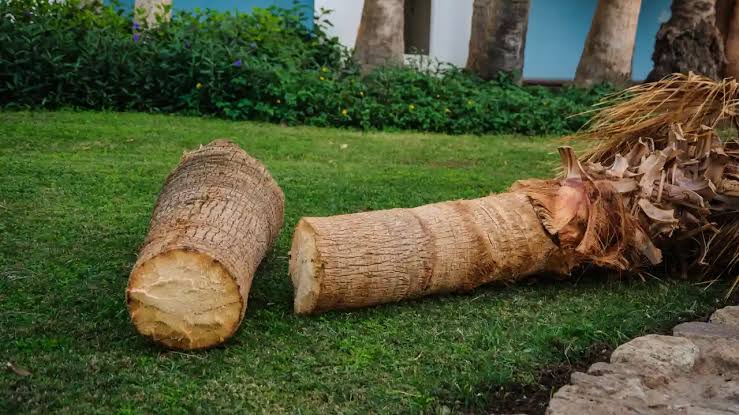
Once the trunk has been reduced to a manageable height, the remaining portion can be cut or removed according to the selected method. In some cases, the stump is left temporarily for grinding or later removal.
The work should proceed systematically rather than attempting to remove large sections all at once. Controlled removal allows the crew to reassess conditions as the tree becomes smaller.
Managing Palm Fronds and Debris
Palm fronds can be surprisingly heavy and awkward to handle, especially when they are large or wet. They can also have sharp or rigid components that require careful handling.
During removal, fronds should be managed in a way that prevents them from damaging roofs, windows, landscaping, or vehicles. Once on the ground, they can be cut into smaller pieces for easier handling and disposal.
Trunk sections can also be heavy and difficult to move manually. Depending on the size of the palm, specialized lifting equipment or mechanical handling may be required.
Debris management should be considered before the project begins. Some property owners may want organic material removed completely, while others may have uses for certain portions of the tree. A professional service can often explain available disposal or processing options.
Leaving large amounts of debris on a property after removal can create additional work and may attract pests. A complete project should generally include an agreed plan for cleanup and disposal.
Stump Removal and Grinding
Removing the visible palm does not necessarily remove the entire root system or stump. Depending on the circumstances, the remaining base may need to be ground down, excavated, or left in place to decompose.
Stump grinding uses specialized machinery to reduce the remaining stump below or near ground level. This can create a more usable surface for landscaping and reduce the visual impact of the old tree.
Complete excavation may be appropriate when the area needs to be rebuilt or when future construction requires deeper clearance. However, removing a large root mass can disturb surrounding soil and landscaping, so the most suitable method depends on the property’s intended future use.
If the stump is left in place, it may gradually decay. This option may be appropriate in some landscaping situations, but it can leave an obstacle that interferes with mowing, planting, or construction.
Considering Root Systems
Palm root systems differ from those of many broadleaf trees. However, that does not mean roots should be ignored after removal. The surrounding soil may contain a substantial network of roots, particularly around an established palm.
If the property owner intends to plant another tree or construct a new feature in the same area, the remaining roots may need consideration. Large roots can affect excavation and soil preparation.
Removing roots unnecessarily can also disturb surrounding plants, irrigation systems, and soil structure. The goal should be to remove what is necessary for the planned use of the area while avoiding unnecessary disturbance.
A professional can help determine how much root removal is appropriate based on the property’s next intended use.
Safety Around Buildings and Utilities
One of the most important factors in palm removal is the presence of nearby structures and infrastructure. A falling trunk or heavy frond can damage roofs, walls, vehicles, fences, power equipment, or other property features.
Overhead utility lines require particular attention. Trees and cutting equipment should be kept clear of electrical infrastructure, and appropriate professionals should be involved whenever utility hazards are present.
Underground services can also affect excavation and stump removal. Water lines, irrigation systems, drainage pipes, electrical conduits, and other buried infrastructure may run near the tree.
A proper site assessment should identify these potential hazards before cutting or excavation begins. Guessing where utilities are located can create avoidable and potentially dangerous problems.
Recognizing When a Palm Is Becoming Hazardous
Property owners should monitor mature palms for warning signs that may indicate declining stability or health. These can include significant leaning, extensive trunk damage, unusual decay, severe crown decline, dead material, or visible changes around the base.
Repeatedly falling fronds may also be a concern, particularly when the palm is positioned near areas where people walk or vehicles are parked.
Changes after severe weather should receive attention. Strong winds can damage crowns and trunks even when a palm initially appears intact. A post-storm inspection can help determine whether structural problems have developed.
Not every damaged palm necessarily requires immediate removal, but serious warning signs should be professionally evaluated rather than ignored. Early assessment can provide more options and allow work to be planned under controlled conditions.
Planning Palm Tree Removal
Palm Tree Removal should be approached as a planned project rather than an improvised task. The property should be inspected, hazards identified, equipment requirements determined, and debris management arranged before cutting begins.
Timing can also matter. Weather conditions may affect the safety of climbing, lifting, and cutting operations. High winds, storms, or wet ground can make certain removal techniques more difficult or unsafe.
The work area should be communicated clearly to everyone on the property. If contractors are involved, the property owner should understand where workers and equipment will operate and which areas need to remain clear.
A written estimate can also help clarify the scope of work. It may include cutting, lowering, debris removal, stump grinding, cleanup, and any additional services needed to restore the site.
Restoring the Area After Removal
Once the palm has been removed, the surrounding area may require some restoration. Heavy equipment and root removal can disturb soil, while stump grinding can leave wood chips mixed into the ground.
The area can be leveled and filled with suitable soil if necessary. Depending on the landscape plan, the property owner may choose to install grass, decorative rock, flower beds, shrubs, or another tree.
Before replanting, it can be useful to evaluate the reason the original palm was removed. If the palm became problematic because of limited space, the replacement should be selected with mature size in mind.
Drainage and sunlight should also be considered. Removing a large palm can significantly change the amount of light reaching nearby plants, which may affect existing landscaping.
Common Mistakes to Avoid
One of the biggest mistakes is attempting to remove a mature palm without assessing the surrounding risks. Height, weight, nearby structures, and utility lines can make an apparently simple job much more complicated.
Another mistake is cutting the trunk without having a clear plan for where each section will go. Uncontrolled falling sections can cause serious damage.
Ignoring the stump can also create future problems. A remaining stump may interfere with landscaping, attract insects as it decays, or become an obstacle for future construction.
Poor cleanup planning is another issue. Palm fronds and trunk sections can create a significant amount of debris, and removing them may require additional equipment.
Finally, rushing the project during unfavorable weather can increase risks. Safe conditions and proper preparation should take priority over completing the work as quickly as possible.
Maintaining the Landscape After Removal
After the palm is gone, the surrounding landscape may need ongoing attention. The soil may require leveling, irrigation adjustments, or new planting. Areas previously shaded by the palm may now receive substantially more sunlight.
Watering patterns may also change. A mature palm can influence the moisture conditions around nearby plants, so irrigation should be reviewed after removal.
If another tree is planted, its mature size and root characteristics should be considered before installation. Choosing a suitable replacement can prevent the same space-related problems from recurring.
Regular landscape maintenance can help the restored area develop properly. Removing leftover debris, monitoring new plants, and correcting drainage or soil issues early can improve the appearance of the property.
Final Thoughts on Safe Palm Removal
Palm trees can be attractive and valuable landscape features, but there are circumstances when removal is the most practical solution. Structural damage, declining health, space limitations, construction projects, and safety concerns can all make removal necessary.
The process should begin with a careful assessment of the tree and its surroundings. Size, condition, access, nearby structures, utility lines, ground conditions, and disposal requirements all influence the safest removal method. Mature palms often require controlled cutting, specialized equipment, and experienced handling rather than simple ground-level cutting.
Professional Palm tree removal can help property owners manage these challenges while reducing risks to people and surrounding structures. Proper preparation, controlled dismantling, responsible debris management, and appropriate stump treatment can leave the property ready for its next landscaping stage.
Once the tree has been removed, thoughtful restoration can turn the former planting area into a functional and attractive part of the landscape. Whether the space is replanted, converted into a garden feature, or reserved for future construction, careful planning ensures that the removal becomes part of a broader improvement rather than simply the end of a tree’s life.
With appropriate assessment, safe working practices, and proper cleanup, palm removal can be completed efficiently while protecting the surrounding property. The key is to treat the project as a complete process, from initial inspection through final landscape restoration, rather than focusing only on cutting down the visible portion of the tree.