
Gutters play an important role in protecting a building from water-related damage. Although they are often overlooked because they sit along the edges of roofs, properly functioning gutters help collect rainwater and direct it away from walls, foundations, landscaping, walkways, and other vulnerable areas. When gutters become damaged, blocked, loose, or improperly aligned, water can overflow or collect where it should not, potentially creating problems that become increasingly expensive if left unresolved.
Gutter repair is therefore more than a cosmetic maintenance task. A damaged gutter system can affect the performance of the roof drainage system and may contribute to moisture-related issues around the property. Understanding common gutter problems, recognizing early warning signs, choosing suitable repair methods, and maintaining the system regularly can help property owners protect their buildings and reduce unnecessary repair costs.
Understanding How Gutters Protect a Property
The primary purpose of a gutter system is to collect water that flows from the roof and guide it toward appropriate discharge points. Without an effective drainage system, rainwater can fall directly against exterior walls or accumulate around the foundation.
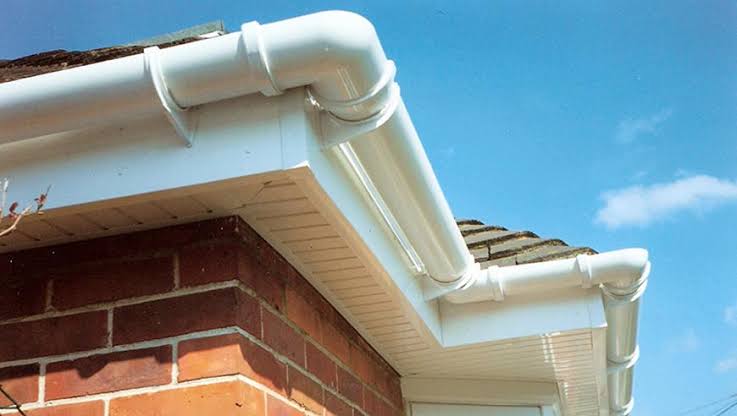
A typical gutter system includes horizontal channels, downspouts, connectors, end caps, hangers, outlets, and other components. Each part contributes to the movement of water away from the roof and toward a suitable drainage area.
When the system is properly installed and maintained, water should flow through the gutters without excessive pooling or overflowing. The goal is not simply to move water quickly but to control where that water goes so it does not create avoidable problems around the property.
Common Causes of Gutter Damage
Gutters are exposed to rain, wind, sunlight, falling branches, leaves, dirt, and changing temperatures. Over time, these conditions can cause different forms of wear.
One common problem is physical damage caused by debris or impact. Branches can fall onto gutters, while ladders or other equipment may accidentally bend sections. Strong weather can also loosen fasteners or shift gutter sections out of alignment.
Corrosion is another concern, particularly with metal gutters. Once a protective coating becomes damaged, moisture can contribute to rust and deterioration. Small areas of corrosion may eventually develop into holes or weakened sections.
Gutters can also become damaged because of improper installation. If the slope is incorrect, water may remain inside the channel rather than flowing toward the downspout. Inadequate hangers or fasteners can allow the gutter to sag, while poorly connected sections may develop leaks.
Recognizing the Signs of a Gutter Problem
Some gutter problems are easy to identify, while others develop gradually. Visible cracks, holes, rust, detached sections, or sagging channels are clear indications that the system requires attention.
Water overflowing from the front of the gutter during rainfall is another important warning sign. Overflow may occur because the gutter is clogged, incorrectly pitched, undersized for the roof area, or damaged.
Water stains on exterior walls or around the foundation can also indicate that rainwater is not being directed properly. In some cases, these signs may appear after repeated rainfall rather than immediately after a gutter problem develops.
Plants or weeds growing inside a gutter can indicate that soil and organic debris have accumulated over time. Such growth can restrict water flow and add unnecessary weight to the system.
Why Small Gutter Problems Should Not Be Ignored
A minor leak may seem harmless, but repeated water exposure can gradually affect surrounding materials. Water that escapes from a damaged joint may run down siding or masonry, while overflowing water may saturate soil near the building.
If a gutter becomes loose, continued rainfall can place additional weight on the damaged section. Debris and standing water can make the problem worse, potentially causing further separation from the roofline.
Addressing problems early can help prevent a relatively simple repair from developing into a more extensive drainage or building-maintenance issue. Regular inspections are particularly useful because some damage is difficult to notice from ground level.
The Importance of Proper Gutter Alignment
Gutters need an appropriate slope so that water moves toward the downspouts. If the gutter is completely level or slopes in the wrong direction, water can accumulate in low areas.
Standing water increases the weight placed on the gutter and may contribute to sagging or premature deterioration. It can also allow sediment and organic material to settle inside the channel.
Correcting alignment may involve adjusting hangers, repositioning sections, or replacing damaged components. The appropriate method depends on how the gutter system was installed and the extent of the problem.
Repairing Leaks and Damaged Joints
Leaks frequently occur at seams where two gutter sections meet. Sealants and connectors may deteriorate over time, allowing water to escape through small gaps.
A proper repair begins with identifying the exact source of the leak. Simply applying material over a dirty or damaged surface may provide only a temporary solution.
The surrounding area should be appropriately prepared before a compatible repair material is applied. If the gutter material is severely corroded or structurally weakened, replacing the affected section may be more appropriate than attempting to seal it repeatedly.Joints should also be inspected after repair to ensure that water can move through the system without creating new leakage points.
Addressing Sagging Gutters
Sagging gutters are often caused by damaged, missing, or widely spaced hangers. As water and debris accumulate, the weight can increase and make the sagging more pronounced.
A sagging section may prevent water from reaching the downspout efficiently. Instead, water can pool in the lowest section and eventually overflow.
Repair may involve replacing or repositioning hangers and restoring the correct slope. If the gutter itself has become permanently deformed, replacing the damaged section may be necessary.Simply pushing a sagging gutter back into position without correcting the underlying support problem is unlikely to provide a durable solution.
Keeping Gutters Clear of Debris
One of the simplest ways to support gutter performance is to keep the channels reasonably clear. Leaves, twigs, dirt, seeds, and other debris can accumulate inside the system and restrict water movement.
A blocked gutter can cause water to overflow during rainfall. Debris can also enter the downspout and create a deeper blockage that is harder to remove.
The appropriate cleaning frequency depends on the surrounding environment. Properties near trees may require more frequent attention than those with little vegetation nearby.Gutter guards may reduce the amount of large debris entering the system, but they do not eliminate maintenance entirely. Small particles can still accumulate, and guards themselves may require cleaning or inspection.
Checking Downspouts and Drainage
Gutters cannot perform effectively if downspouts are blocked or disconnected. Downspouts carry collected water away from the roofline and toward an appropriate discharge area.
A blockage can cause water to back up into the gutter. A disconnected downspout may instead release water against the exterior wall or close to the foundation.
Downspouts should therefore be inspected as part of the overall drainage system. Connections should remain secure, and water should have a clear route away from vulnerable parts of the property.The discharge area should also be considered. Simply extending a downspout is not always enough if the water continues to collect near the foundation.
Choosing Appropriate Gutter Materials
Gutters are available in different materials, each with particular characteristics. Aluminum is commonly used because it is relatively lightweight and resistant to certain forms of corrosion. Steel can provide strength but may require appropriate protection against rust.
Other materials may be selected based on appearance, durability, budget, or architectural requirements. The best choice depends on the property’s needs and the existing drainage system.
Compatibility matters when replacing only one section. A replacement component should fit the existing system in terms of dimensions, connection method, and material characteristics.A professional can help determine whether repairing the existing material or replacing a section with a new component is the more practical approach.
When a Section Should Be Replaced
Not every damaged gutter needs to be replaced completely. Localized holes, loose connections, or minor alignment problems may be repairable.
However, a section that is severely rusted, cracked, crushed, or structurally weakened may not provide reliable service even after patching. Repeated repairs can also become less practical if the surrounding material is deteriorating.
Replacement decisions should consider the age and overall condition of the gutter system. If multiple sections are failing, replacing the entire system may eventually be more cost-effective than repeatedly repairing individual areas.
Gutter Repair and Roof Protection
The gutter system is closely connected to roof drainage. When gutters fail to remove water effectively, water may accumulate along roof edges or spill into areas where it is not intended to go.
Properly maintained gutters can support the overall performance of the roof drainage system. However, gutters cannot correct every roofing problem. If water is entering the building through the roof itself, a roofing professional may need to investigate the issue separately.A comprehensive inspection can help distinguish between a gutter problem and a roof drainage or roofing-material problem.One of the most important reasons to maintain gutters is to manage water around the foundation. Concentrated water discharge near a building can saturate soil and contribute to erosion or moisture-related problems.
Exterior walls can also be affected when water repeatedly flows over surfaces that were not designed to handle constant runoff. Staining, deterioration, and moisture intrusion can become concerns if water is not properly controlled.Effective gutter drainage helps create a controlled path for rainwater. It does not eliminate all moisture risks, but it can reduce unnecessary exposure around vulnerable areas.
Safety Considerations During Gutter Maintenance
Gutter work often involves ladders and elevated surfaces, which can create significant safety risks. Wet conditions, unstable ground, overhead obstacles, and improperly positioned ladders can increase the possibility of falls.
Homeowners should avoid taking unnecessary risks when inspecting or cleaning gutters. If the work requires difficult access, extensive repairs, or roof-level activity, hiring an appropriately qualified professional may be safer.
It is also important to avoid leaning heavily against gutters. They are not designed to support a person’s weight, and putting excessive pressure on them can cause additional damage.Safety should always take priority over completing a maintenance task quickly.
Why Professional Inspection Can Be Valuable
A professional inspection can identify problems that may not be obvious from ground level. A trained technician can examine gutter alignment, fasteners, joints, downspouts, corrosion, drainage, and surrounding areas.
Professional evaluation can also help determine whether a problem is isolated or part of a broader issue. For example, repeated gutter separation may indicate inadequate support, while recurring overflow may point to a capacity or drainage problem.When repairs are performed correctly, the goal should be to address the cause rather than simply cover the visible symptom.
Regular care can help extend the useful life of a gutter system. Keeping channels clear, checking connections, trimming overhanging branches where appropriate, and inspecting for corrosion can all help reduce unnecessary wear.
It is also useful to monitor the system during and after significant rainfall. Observing where water flows can reveal problems that are difficult to detect during dry conditions.If water consistently overflows from a particular section, the issue should be investigated rather than assumed to be normal. Similarly, recurring leaks may indicate that a section or connection requires replacement.
Making an Informed Service Decision
When searching for gutter repair, property owners should consider the condition of the entire drainage system rather than focusing only on one visible defect. A professional service should identify the source of the problem, explain the recommended solution, and determine whether other components need attention.
It can be useful to ask whether the proposed work involves a temporary patch, a component replacement, or a broader correction. Understanding the expected durability of the repair can help property owners make more informed decisions.
Cost is naturally an important consideration, but the least expensive repair is not always the most practical if it does not address the underlying problem. A durable solution may provide greater value by reducing the likelihood of repeated service.
Maintenance After a Repair
Completing a repair is not the end of gutter care. The repaired area should be monitored during future rainfall to ensure that water is flowing as expected.
Gutters should remain free of excessive debris, and fasteners should be checked periodically for signs of loosening. Downspouts should also remain clear so water can move away from the roofline.If a repaired section begins leaking again, becomes loose, or develops new damage, it should be inspected rather than repeatedly patched without determining the cause.
Consistent maintenance can help protect the investment and reduce the likelihood of unexpected drainage problems.
Long-Term Benefits of Proper Gutter Care
A properly functioning gutter system can contribute to the long-term protection of several parts of a property. By directing rainwater away from vulnerable areas, it can help reduce unnecessary exposure to concentrated runoff.
Good maintenance can also preserve the appearance of exterior surfaces. Preventing repeated overflow may reduce staining and water-related deterioration around walls, pathways, landscaping, and other areas.
Perhaps most importantly, regular inspections allow property owners to identify developing problems before they become more extensive. A small loose connection or minor leak is generally easier to address than widespread deterioration caused by years of uncontrolled water flow.
Conclusion
Gutters are an essential part of a property’s water-management system, even though they often receive little attention until a problem becomes obvious. Leaks, sagging sections, corrosion, blockages, damaged joints, and disconnected downspouts can all reduce the effectiveness of the system and potentially contribute to broader property concerns.
Understanding the signs of gutter damage makes it easier to respond promptly. Regular cleaning, appropriate inspection, proper alignment, and attention to downspouts can support reliable drainage and extend the useful life of the system.
When problems occur, professional gutter repair can help identify the underlying cause and determine whether a component can be repaired or should be replaced. A durable solution should restore proper water flow while addressing the condition of the surrounding components.
Ultimately, gutter maintenance is an important part of responsible property care. A small amount of regular attention can help protect exterior surfaces, manage rainwater, support drainage around the building, and reduce the possibility of more expensive water-related problems. By treating the gutter system as an important part of the property’s overall structure rather than a minor accessory, owners can maintain better protection and more dependable performance over time.